

I was out in the garden last Saturday, trying to clear some old brush near the back fence, when I felt that familiar, sharp catch in my lower back. It’s that sudden, annoying reminder that your body isn’t a machine you can just run indefinitely without maintenance. Most people think they need a $200 monthly yoga membership or a complex, hour-long ritual to see any real benefits of stretching, but that’s just more noise. In reality, we’ve overcomplicated a basic mechanical necessity, turning a simple tool for mobility into another chore on an already overflowing to-do list.
I’m not here to sell you on a spiritual journey or a complicated fitness regime. My goal is to show you how to use targeted, functional movement to strip away the physical tension that’s dragging you down. I’ll share the exact, low-friction methods I use to keep my own body from seizing up, focusing on the actual benefits of stretching that matter for real life. We’re going to focus on systems that work, helping you reclaim your physical ease without wasting a second of your time.
Table of Contents
Removing the Friction Improving Range of Motion Daily

To get this right, you have to stop viewing movement as a chore and start seeing it as a way to clear the “physical clutter” from your joints. When your muscles are perpetually tight, you’re essentially operating with a system that has too much internal resistance. I’ve found that the most effective way to combat this is by understanding the difference between static vs dynamic stretching. If you’re jumping straight into deep, held stretches before your body is warm, you’re actually adding friction rather than removing it. Instead, start with dynamic movements—think controlled rotations or leg swings—to prime the system.
Once you’ve warmed up, that’s when you can focus on the real work of improving range of motion through sustained, gentle holds. I treat this like maintaining my woodworking tools; if you don’t clear the sawdust and oil the joints, everything starts to grind. By dedicating just a few minutes to targeted stretches, you aren’t just getting flexible; you’re performing essential maintenance that ensures your body moves fluidly throughout the day without constant micro-adjustments or discomfort.
Smart Muscle Recovery Techniques That Actually Work
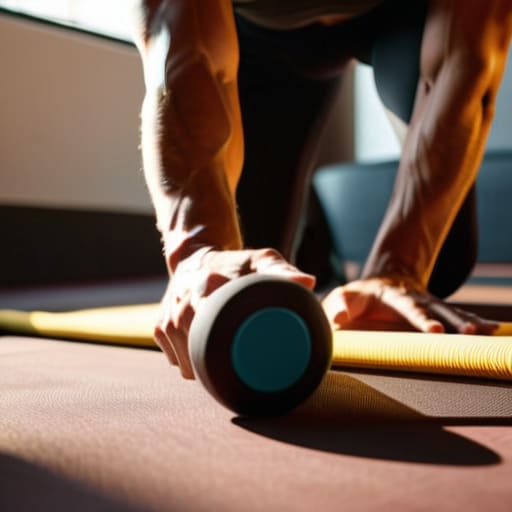
Most people treat recovery like an afterthought, something they’ll get to “when they have time.” That’s a systemic failure. If you want to stay functional, you need to treat your body like any other piece of high-performance machinery: it requires scheduled maintenance to prevent breakdown. I’ve found that the most effective muscle recovery techniques aren’t about spending an hour on a foam roller; they are about consistency and choosing the right tool for the job.
You need to understand the difference between static vs dynamic stretching to avoid doing more harm than good. If you’re heading into a workout, use dynamic movements to prime the system. But when the work is done, that’s when you pivot to static holds to signal to your nervous system that it’s time to downshift. This isn’t just about being flexible; it’s about stretching for injury prevention so you aren’t sidelined by a preventable strain that halts your productivity. Keep it simple, keep it intentional, and make it part of the daily workflow.
Three Low-Friction Ways to Integrate Stretching into Your Routine
- Stop treating stretching like a gym session; tie it to existing habits. I’ve found that doing three minutes of mobility work while my coffee brews or right after I close my laptop for the day works better than trying to find a dedicated hour that never happens.
- Focus on the “high-yield” areas first. You don’t need a full-body yoga flow to see results. If you’re sitting at a desk all day, prioritize your hip flexors and chest. Clearing that specific tension removes the physical drag that makes you feel sluggish by 3:00 PM.
- Use a “less is more” approach to intensity. You aren’t trying to win a gold medal in flexibility; you’re just trying to reduce systemic friction. Hold a gentle stretch for 30 to 60 seconds—enough to feel the release, but not so much that you’re fighting your own nervous system.
The Bottom Line: Systems Over Stunts
Stop looking for a magic workout; focus on consistent, low-friction movement that maintains your range of motion so your body doesn’t become a bottleneck to your day.
Treat recovery like a maintenance schedule for a piece of machinery—don’t wait for a breakdown to start addressing the tension and physical drag in your system.
The Systemic Value of Movement
“Stretching isn’t some mystical wellness ritual; it’s basic maintenance for the most important machine you’ll ever own. If you don’t clear out the physical tension, you’re just adding friction to your entire day.”
Gregory Scott Miller
Stripping Away the Tension
At the end of the day, stretching isn’t about achieving some perfect yoga pose you saw on social media; it’s about maintenance. We’ve looked at how increasing your range of motion removes the physical friction from your daily movements and how smart recovery techniques can keep your system running smoothly. By integrating these small, intentional movements into your routine, you aren’t just “exercising”—you are optimizing your physical infrastructure to prevent the breakdown that comes from a sedentary lifestyle. It is a simple, high-leverage habit that pays dividends in how you feel from the moment you wake up until you hit the pillow.
Don’t wait for a pulled muscle or chronic back pain to force your hand. Systems work best when they are proactive rather than reactive. Start small, keep it consistent, and treat your body with the same respect you’d give a finely tuned piece of machinery. When you remove the physical tightness holding you back, you gain something far more valuable than flexibility: mental clarity and reclaimed energy. Stop fighting your own body and start making it work for you.