

I spent years watching people dump hundreds of dollars into high-tech wearables and complex, hour-long gym routines, only to quit by February. It’s the same mistake I see in corporate logistics all the time: trying to solve a systemic problem with a shiny new gadget. If you’re waiting for a burst of superhuman motivation to figure out how to build an exercise habit, you’re going to be waiting a long time. The truth is, willpower is a finite resource, and relying on it is a failed engineering strategy.
I’m not here to sell you on a new app or a boutique fitness craze. Instead, I’m going to show you how to use systems engineering to strip away the friction that stops you before you even start. We’re going to focus on environmental design and small, repeatable wins that actually stick in the real world. My goal is to help you stop fighting yourself and start building a routine that actually works with your life, not against it.
Table of Contents
Mastering the Behavioral Psychology of Habit Formation
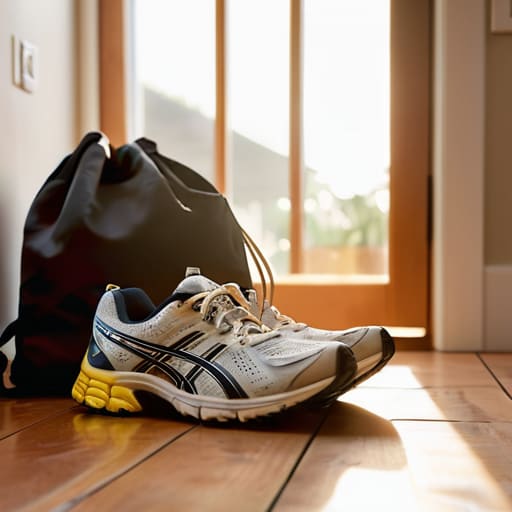
Most people approach fitness like a battle of willpower, but that’s a losing game. If you’re relying on sheer grit to get to the gym, you’ve already lost the war. To make this stick, you need to understand the behavioral psychology of habit formation. It’s not about how much you want it on a Tuesday morning; it’s about how you’ve engineered your life to make the decision automatic. We need to move away from “feeling motivated” and toward designing systems that trigger action without a mental debate.
One of the most effective ways I’ve found to do this is through habit stacking for exercise. Don’t try to invent a brand-new identity overnight. Instead, anchor your new movement into something you already do without thinking. If you always brew coffee at 6:30 AM, do ten air squats while the water heats up. By attaching a new behavior to an existing neurological pathway, you stop fighting your brain and start working with it. This is how you build true consistency—not through intensity, but through integration.
Using Habit Stacking for Exercise Without the Friction
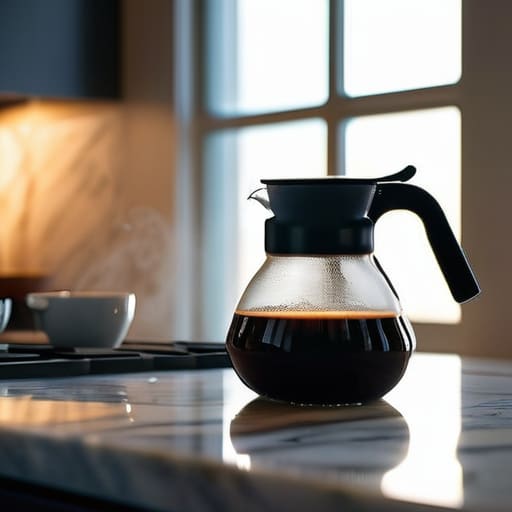
If you’re waiting for a burst of inspiration to hit before you lace up your sneakers, you’ve already lost the battle. Motivation is a fickle resource; I’ve learned through years of optimizing workflows that you can’t rely on it. Instead, you need to leverage habit stacking for exercise by anchoring a new movement to something you already do without thinking. If you always brew a pot of coffee at 6:30 AM, don’t try to find “extra time” for a workout. Instead, do ten bodyweight squats while the water heats up. You aren’t relying on willpower; you’re piggybacking on an existing neural pathway.
The goal here is to reduce the cognitive load required to get started. When you tie a physical task to a pre-established trigger, you’re essentially automating the decision-making process. This is how you achieve true consistency in fitness routines—not by grinding through sheer force of will, but by making the transition between your morning coffee and your morning movement so seamless that it feels almost automatic. Stop looking for a massive window of time and start looking for the small, existing gaps in your day.
Engineering the Path of Least Resistance
- Stop relying on motivation and start optimizing your gear. If you have to dig through a cluttered closet to find your running shoes, you’ve already lost the battle. I keep my workout clothes laid out right where I’ll see them the moment I get up, and my gym bag is packed by the door. You want to reduce the number of decisions you have to make between your current state and your workout.
- Scale your intensity down until it feels almost too easy. We often fail because we try to go from zero to a sixty-minute high-intensity session on day one. That’s not a system; that’s a recipe for burnout. Aim for fifteen minutes of movement. It’s better to have a consistent fifteen-minute habit that actually sticks than a grueling hour-long session that you quit after a week.
- Audit your digital environment to eliminate friction. If your phone is constantly buzzing with work emails or social media notifications, it’s going to hijack your focus right when you should be transitioning into movement. Set a “Do Not Disturb” schedule that kicks in right before your scheduled exercise time. Protect that window of time like it’s a high-stakes client meeting.
The Bottom Line
Stop relying on willpower; it’s a finite resource that will eventually fail you. Instead, focus on designing your physical environment to make starting the movement as easy as possible.
Small, repeatable wins beat massive, unsustainable leaps every single time. Aim for the minimum viable effort required to keep the streak alive, not the most intense workout of your life.
## The System Over the Willpower
“Stop waiting for a surge of motivation that isn’t coming; instead, engineer your surroundings so that the easiest path is the healthy one. A habit isn’t a test of your character, it’s a test of your environment.”
Gregory Scott Miller
The Systems Approach to Staying Active
At the end of the day, building an exercise habit isn’t about finding a sudden burst of superhuman willpower; it’s about engineering your surroundings so that movement becomes the path of least resistance. We’ve talked about understanding the psychological cues that trigger your actions and using habit stacking to anchor new movements to your existing, reliable routines. If you focus on reducing friction—whether that means laying out your gear the night before or choosing a workout that actually fits your schedule—you stop fighting yourself. Stop looking for the perfect, high-tech solution and start focusing on building systems that actually work in the messy reality of your daily life.
Don’t let the pursuit of a “perfect” routine become another source of clutter in your mind. If you miss a day, don’t scrap the whole system; just recalibrate and get back to the process. Remember, the goal isn’t to transform into an elite athlete overnight, but to design a life where health happens automatically. Keep your systems simple, keep your environment optimized, and let the consistency do the heavy lifting for you.