
I was sitting in my study last Tuesday, finally settling into a deep work session, when that high-pitched, rhythmic screech echoed through the hall again. It’s a small thing, sure, but that tiny sound was acting like a constant cognitive tax, pulling my focus away from my work every single time someone moved through the house. Most people think they need to buy a specialized kit or even replace the entire hinge to solve the problem, but that’s just more clutter we don’t need. Learning how to fix a squeaky door isn’t about expensive hardware; it’s about understanding the friction in your environment and applying the right, simple solution.
In this guide, I’m going to skip the fluff and show you exactly how to silence those hinges using tools you likely already have in your junk drawer or workshop. I’ll walk you through the most effective lubricants and the specific technique to ensure the fix actually lasts. My goal is to help you strip away this minor annoyance so you can get back to a home that feels as steady and peaceful as it should.
Table of Contents
- Step-by-Step Instructions
- Stop the Friction Choosing Between Wd 40 vs Silicone Spray for Doors
- Smart Door Hinge Pin Maintenance Without the Complex Mess
- Three Ways to Keep the Silence Once You've Fixed the Noise
- The Bottom Line on Silent Doors
- The Philosophy of Small Fixes
- Eliminating the Final Friction
Guide Overview
Tools & Supplies
- Screwdriver (to tighten loose hinge screws)
- Microfiber cloth (to wipe away excess lubricant)
- Lubricant (1 can of spray silicone or WD-40)
- Petroleum jelly (1 small container for a long-term fix)
Step-by-Step Instructions
- 1. First, you need to identify the source of the noise. Open and close the door slowly while listening closely to the hinges. It sounds simple, but don’t just assume it’s the metal rubbing; sometimes it’s actually the door frame or the door itself rubbing against the casing. Once you’ve confirmed it’s the hinge, you’re ready to move on.
- 2. Grab a screwdriver and a hammer to remove the hinge pin. Most residential hinges use a simple pin that holds the two halves together. Place the tip of a screwdriver at the bottom of the pin and give it a gentle tap with your hammer to drive it upward. Work slowly so you don’t dent the metal or scratch the finish on your door.
- 3. Once the pin is out, take a look at it. If it looks gritty or covered in dark residue, that’s your culprit—it’s likely old, dried-out factory grease mixed with dust. Use a bit of steel wool or a rag to scrub the pin clean. If the pin is bent, this is the time to realize that a simple lubricant might not be enough; you might actually need to replace the hinge entirely.
- 4. Now, apply a proper lubricant. I’m not talking about a spray that gets everywhere and leaves a sticky mess on your hardwood floors. I prefer a high-quality silicone spray or a bit of white lithium grease. If you want to keep it even cleaner, a drop of sewing machine oil works wonders. Apply just enough to coat the pin evenly from top to bottom.
- 5. Slide the pin back into the hinge and tap it down with your hammer until it’s seated properly. Before you go celebrating, test the door’s movement several times. If it still catches or makes a faint sound, you might need to apply a tiny bit more lubricant to the hinge knuckles themselves.
- 6. Finally, take a clean rag and wipe away any excess oil. This is a crucial step that most people skip. Any leftover grease is just a magnet for dust and pet hair, which will eventually turn back into that same gritty sludge that caused the squeak in the first place. Keep it clean and dry to ensure the fix lasts.
Stop the Friction Choosing Between Wd 40 vs Silicone Spray for Doors
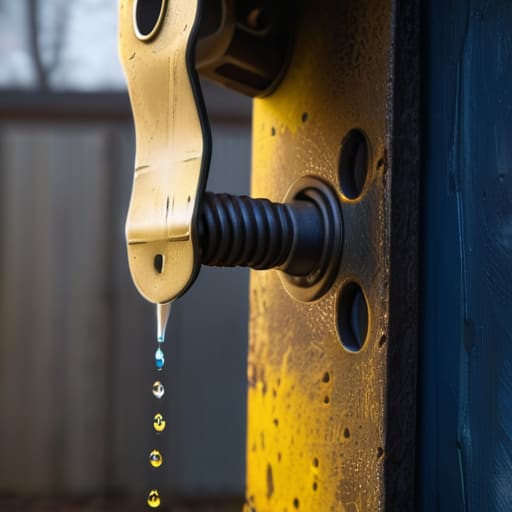
This is where most people trip up. You walk into the garage, grab the first can you see, and hope for the best. But if you want a long-term fix rather than a temporary patch, you need to understand the difference between WD-40 vs silicone spray for doors. The classic blue-and-yellow can is a fantastic solvent—it’s great for breaking up old, gummy grease or cleaning out grit—but it isn’t a true long-term lubricant. It evaporates relatively quickly, which means that annoying squeak might be back in a few weeks.
If you’re looking for a “set it and forget it” solution, I always recommend reaching for a silicone-based spray. Silicone stays on the metal longer and creates a slick, protective barrier that resists dust and grime. When I’m doing regular door hinge pin maintenance, I use the WD-40 first to clear out the old gunk, then follow up with the silicone to ensure the friction stays gone. It’s a simple two-step system that saves you from having to troubleshoot noisy door hinges every other month.
Smart Door Hinge Pin Maintenance Without the Complex Mess
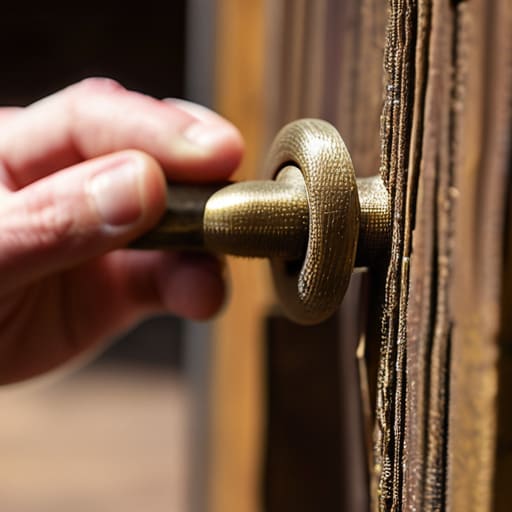
If you want to do this right and avoid a greasy mess on your flooring, you need to move beyond just spraying the surface. True door hinge pin maintenance involves actually pulling the pin out of the hinge. This allows you to clean off the old, gritty residue that’s likely causing the friction in the first place. I usually take a bit of steel wool or a rag to wipe the pin clean before applying a fresh layer of lubricant. It’s a small extra step, but it’s the difference between a temporary fix and a system that stays silent for years.
While you’re at it, keep a few household items to stop door squeaks handy for those quick, non-invasive fixes. If you don’t want to pull the pins, a tiny drop of sewing machine oil or even a bit of petroleum jelly can work in a pinch. Just be precise; you don’t want liquid running down the wood and staining your trim. The goal is to solve the problem with the least amount of chaos possible.
Three Ways to Keep the Silence Once You've Fixed the Noise
- Don’t just spray and walk away; take a clean rag and wipe down the excess lubricant immediately. If you leave a pool of oil sitting on the hinge, it’ll just attract dust and grit, eventually turning into a messy paste that makes the squeak come back even worse.
- Schedule a quick “friction check” every six months. Since I treat my home like a system, I don’t wait for things to break. A quick visual inspection of your high-traffic doors ensures you catch a developing sound before it becomes a constant distraction.
- Check your door alignment while you’re at it. Sometimes that squeak isn’t just a dry hinge, but a sign that the door is sagging and rubbing against the frame. If the hinge is tight but the noise persists, grab a screwdriver and make sure those mounting screws are actually biting into the wood.
The Bottom Line on Silent Doors
Don’t let a minor mechanical annoyance become a permanent mental distraction; a five-minute fix can restore the calm to your home environment.
Choose the right tool for the job—use silicone spray for a long-term, clean solution, and save the heavy-duty lubricants for when you actually need them.
The Philosophy of Small Fixes
“A squeaky door isn’t just a minor annoyance; it’s a tiny crack in your environment’s efficiency. When you fix the small, friction-filled details, you aren’t just silencing a hinge—you’re reclaiming the mental space that those distractions steal from you.”
Gregory Scott Miller
Eliminating the Final Friction
At the end of the day, fixing a squeaky door isn’t about a complex overhaul; it’s about a few minutes of targeted maintenance. Whether you decided to go with a quick hit of silicone spray or took the time to pull the pins for a deeper clean, you’ve successfully addressed a piece of environmental friction. Remember, the goal isn’t just to silence the noise, but to ensure you chose the right lubricant for the job so the fix actually lasts. By keeping your tools ready and your approach systematic, you prevent a minor annoyance from turning into a constant, nagging distraction in your workspace or home.
I’ve learned through years of optimizing systems that the smallest disruptions often take the biggest toll on our mental clarity. A squeaky hinge might seem trivial, but when you remove those little irritants, you reclaim a sense of true environmental control. Don’t wait for the noise to drive you crazy; take the five minutes now to make your space work for you. Once the friction is gone, you can get back to focusing on the things that actually matter.