
I spent years in corporate logistics, and if there is one thing I learned, it’s that complexity is the enemy of efficiency. You don’t need a $500 custom cabinetry system or a dozen color-coded acrylic bins to fix your mess. Most of the advice you see online about laundry room organization is just expensive fluff designed to sell you more plastic. In my experience, if a system requires you to follow a twenty-step ritual just to get through a load of towels, the system is broken, not you.
I’m not here to sell you a lifestyle aesthetic or a cluttered shelf of “must-have” gadgets. Instead, I want to show you how to apply a bit of systems engineering to the most repetitive chore in your house. I’m going to walk you through a few functional, low-friction setups that actually survive the chaos of a real home. We’re going to strip away the nonsense and build a workflow that helps you reclaim your time, one load at a time.
Table of Contents
Small Laundry Room Storage Solutions That Strip Away Friction

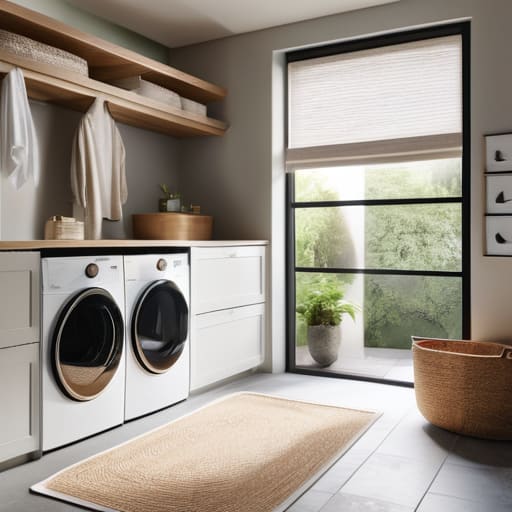
If you’re working with a tight footprint, the biggest mistake is trying to force large, bulky items into a space that can’t handle them. Instead, look up. I’ve found that installing vertical laundry room shelving systems is the most effective way to reclaim your floor space. By moving your detergent, fabric softeners, and cleaning supplies off the floor and onto sturdy, wall-mounted shelves, you immediately reduce the visual noise and physical clutter that makes a small room feel claustrophobic.
Another way to cut through the chaos is to focus on the surfaces you already have. If you have a front-loading machine, treat the top of it as a dedicated zone for laundry room countertop organization. I like to use small, stackable bins or even a simple wooden tray to keep my most-used items in one spot. This prevents that frustrating “search and find” loop every time you start a load. The goal isn’t to make it look like a magazine spread; it’s to ensure that every tool you need is exactly where your hand expects it to be.
Optimizing Laundry Room Cabinet Organization for Daily Flow

Most people treat their cabinets like a graveyard for half-empty detergent bottles and random cleaning supplies. That’s a mistake. If you want to stop the daily scavenger hunt, you need to treat laundry room cabinet organization like a logistics problem. I like to group items by frequency of use. The stuff you grab every single load—detergent, softener, stain remover—should be at eye level or in the easiest-to-reach drawer. If you have to crouch down or move three other things just to get to your pods, you’ve built a system that’s destined to fail.
Don’t just shove things into dark corners and hope for the best. I’ve found that using clear, stackable bins or even simple pull-out baskets makes a massive difference. It turns a chaotic shelf into a functional retrieval system. By categorizing your supplies into these smaller units, you can see exactly when you’re running low before it becomes an emergency. It’s about reducing the mental load; when everything has a dedicated, visible home, the friction of doing chores just… evaporates.
Three Systems to Stop the Laundry Room Chaos
- Stop hoarding “just in case” supplies. I see it all the time—shelves overflowing with five different types of detergent and specialized cleaners you haven’t touched in a year. Clear out the excess and keep only what you actually use every week. It reduces visual clutter and ensures you never run out of the essentials when you’re mid-load.
- Standardize your sorting process. Instead of a massive, tangled mountain of clothes on the floor, use a tiered or divided hamper system right from the start. If you separate lights, darks, and delicates at the moment of undressing, you’ve already won half the battle before you even touch the washing machine.
- Create a “Launchpad” for finished laundry. The biggest friction point isn’t washing; it’s the transition from the dryer to the closet. Set up a dedicated, clear zone—like a sturdy folding table or a specific basket—where clean clothes live until they are put away. If there isn’t a clear path for the clothes to follow, they’ll just end up in a pile on a chair.
The Bottom Line
Stop chasing the perfect gadget and start focusing on the flow; if a storage solution adds more steps to your routine, it’s a failed system.
Build your laundry space around your actual habits, not how you think a “perfect” home should look, to ensure your environment finally starts working for you.
## The Goal of Organization
“A well-organized laundry room isn’t about having a Pinterest-perfect space; it’s about designing a system so seamless that you stop thinking about the chores and start reclaiming the time they used to steal from you.”
Gregory Scott Miller
Stripping Away the Friction
At the end of the day, organizing your laundry room isn’t about achieving a Pinterest-perfect aesthetic; it’s about engineering a system that supports your actual routine. We’ve looked at how maximizing vertical space in small rooms and optimizing cabinet layouts can eliminate those tiny, nagging moments of frustration. By focusing on functional flow rather than just buying more plastic bins, you’re reclaiming the mental energy you usually waste searching for a stray detergent pod or a lost sock.
Don’t feel like you have to overhaul the entire room by tomorrow morning. Systems are built through small, deliberate adjustments that stand the test of time. Start with one corner, one shelf, or one drawer, and see how it changes your daily rhythm. Remember, the goal isn’t to have a showroom; it’s to have a space that serves you so you can get the chore done and get back to what actually matters. Keep it simple, keep it functional, and let the system do the heavy lifting.