
I was standing in my kitchen last Tuesday, staring at a sink full of gray, stagnant water and a pile of dirty dishes, feeling that familiar spike of frustration. Most people think they need to buy a chemistry set of caustic liquids or call an expensive plumber just to learn how to unclog a drain, but that’s a massive waste of both money and time. In my experience, a clog isn’t a crisis; it’s just a system failure that can be solved with the right approach and a bit of mechanical logic.
I’m not going to sell you on any complicated gadgets or expensive “miracle” products that end up damaging your pipes. Instead, I’m going to walk you through a streamlined, no-nonsense system to clear the blockage using tools you likely already have in your utility closet. My goal is to help you resolve the issue quickly and effectively so you can stop worrying about your plumbing and get back to your life.
Table of Contents
Guide Overview
Tools & Supplies
- Plunger [Cup or flange style for suction]
- Drain Snake [Handheld auger to reach deep clogs]
- Screwdriver [To remove drain covers or traps]
- Baking Soda [1/2 cup for natural reaction]
- White Vinegar [1/2 cup for chemical reaction]
- Boiling Water [1 kettle for flushing]
Step-by-Step Instructions
- 1. Before you reach for the heavy chemicals, start with the simplest mechanical fix: the plunger. I’ve learned the hard way that most people use the wrong kind of plunger for the job. If it’s a sink, you need a cup plunger that creates a tight seal, not the flange type meant for toilets. Fill the sink with enough water to cover the rubber bell, block the overflow hole with a damp rag to maintain pressure, and give it several firm, rhythmic strokes.
- 2. If the plunger fails to move the blockage, it’s time to get hands-on with the P-trap. This is the U-shaped pipe underneath your sink that acts as a natural trap for debris, but it’s also where most clogs live. Place a bucket underneath to catch whatever spills out, then unscrew the slip nuts by hand or with a pair of tongue-and-groove pliers. Once the trap is off, clear out the gunk manually—it’s unpleasant, but it’s a guaranteed way to see the problem firsthand.
- 3. For those stubborn clogs that sit deeper in the pipes, grab a hand auger, or what most folks call a “drain snake.” Don’t just shove it in blindly; feed the cable into the drain pipe slowly, feeling for resistance. When you hit the blockage, give the handle a few turns to hook the debris. This is much more effective than chemical cleaners, which often just sit on top of the clog without actually breaking it down.
- 4. If you want to avoid harsh, caustic chemicals that can damage your pipes over time, try a simple, non-toxic reaction. Pour about half a cup of baking soda down the drain, followed by half a cup of white vinegar. It will fizz—that’s the chemical reaction working to break up organic matter. Let it sit for about fifteen minutes, then flush the entire system with a large pot of boiling water to wash everything away.
- 5. Once you think the path is clear, you need to test the system under pressure. Turn on the faucet and let it run at full blast for a few minutes. Watch closely for any signs of slow drainage or, more importantly, leaks around the joints you just reassembled. A system isn’t truly fixed until it can handle a heavy flow without any hesitation.
- 6. To prevent this from becoming a recurring headache, implement a simple maintenance routine. I keep a small mesh strainer in my kitchen and bathroom sinks to catch hair and food scraps before they ever enter the plumbing. It’s a tiny bit of friction during cleanup that saves you hours of frustration and expensive plumber visits down the road.
Mastering Effective Plunger Techniques for Sinks
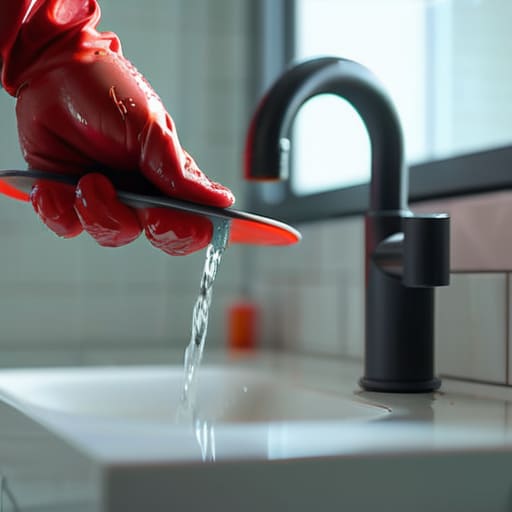
Most people grab a plunger and start pumping frantically, which is usually a waste of energy. If you’re dealing with a bathroom sink, you need to remember that the overflow hole is your biggest enemy. If you don’t seal that little hole with a damp rag, you’re just moving air instead of creating the pressure needed to shift the blockage. Once that’s sealed, focus on a firm, steady rhythm. You aren’t trying to break the pipes; you’re trying to create a vacuum that pulls the debris loose.
If the plunger isn’t doing the trick after a few solid attempts, don’t keep sweating it. It might be time to move on to using a plumbing snake to physically break up the clog. However, if you want to avoid the heavy tools altogether, I often find that a quick application of a baking soda and vinegar drain method can loosen organic buildup before it becomes a permanent resident in your pipes. It’s about choosing the right tool for the specific level of friction you’re facing.
The Baking Soda and Vinegar Drain Method
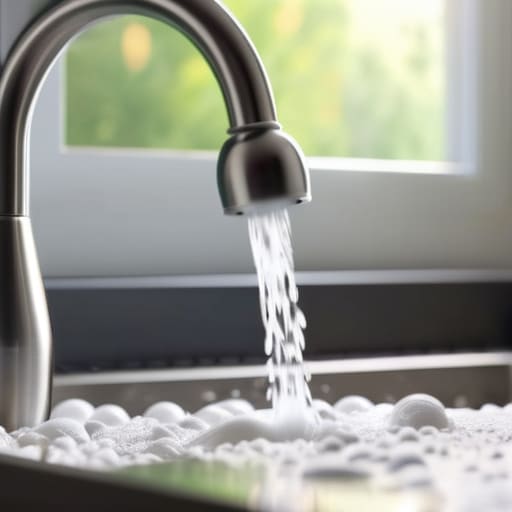
If you aren’t dealing with a complete, hard blockage, the baking soda and vinegar drain method is my go-to for a low-friction fix. It’s a classic for a reason: it’s non-toxic, inexpensive, and avoids the harsh, corrosive chemicals that can eat away at your pipes over time. I usually start by pouring a cup of baking soda down the drain, followed by a cup of white vinegar. Once the fizzing settles, I hit it with a kettle of boiling water. It’s a simple chemical reaction that can often break up the organic sludge and soap scum that cause slow drainage.
However, don’t expect this to be a magic wand for heavy-duty issues. If you’ve already tried your plunger techniques for sinks and nothing has budged, you’re likely looking at a physical obstruction rather than just a buildup of grime. In those cases, you’ll eventually need to graduate to using a plumbing snake or even cleaning a P-trap manually. Use this natural method as a preventative maintenance tool to keep things flowing smoothly, rather than a last-ditch effort for a total backup.
Three Ways to Keep the Clogs From Coming Back
- Stop treating your sink like a trash can; install a fine-mesh strainer immediately to catch the hair and food scraps before they ever enter your pipes.
- Run hot water through your drains for a few minutes every single week—it’s a low-effort habit that helps melt away the soap scum and grease buildup that causes slow drains.
- If you have a recurring issue in a specific sink, inspect the P-trap underneath; often, a simple manual cleaning of that trap once a year prevents a massive headache down the road.
The Bottom Line on Keeping Your Drains Clear
Don’t wait for a total backup to take action; a simple, scheduled maintenance routine with hot water and basic cleaning is much easier than dealing with a plumbing crisis on a Tuesday night.
Choose your tool based on the problem, not the hype—whether it’s a plunger for a physical blockage or a natural solution for slow drainage, stick to proven methods that solve the issue without damaging your pipes.
## The Philosophy of Flow
“A clogged drain is more than just a plumbing headache; it’s a breakdown in your home’s basic systems. Don’t waste your evening chasing complex, expensive fixes—just identify the friction, apply a logical solution, and get your environment back to working for you, not against you.”
Gregory Scott Miller
Keeping the Flow
At the end of the day, clearing a drain isn’t about having a garage full of expensive specialty chemicals; it’s about knowing which tool fits the specific problem. Whether you opted for the mechanical force of a properly used plunger or the simple chemistry of baking soda and vinegar, you’ve successfully addressed the immediate friction in your home. Remember that the goal is to restore functionality without making a mess of your workspace. If you keep a little bit of preventative maintenance in your routine—like clearing hair from the strainer or avoiding pouring grease down the sink—you won’t find yourself fighting these same battles every other month.
My philosophy has always been that a home should work for you, not create a constant list of chores. A clogged drain is just a small systemic failure, and once you fix it, you can get back to the things that actually matter. Don’t let a minor plumbing headache disrupt your peace of mind. Fix the problem, clear the pipes, and move on with your day.