

I was out in the garden last weekend, hands deep in the soil, when I realized I’d spent more time fighting my gutters and checking the HVAC filters than actually enjoying the afternoon. Most people treat seasonal home maintenance like a massive, looming mountain of chores that requires a weekend-long marathon of stress and expensive specialized tools. They buy the “ultimate” home care kits and download complex scheduling apps, but all they’re really doing is adding more friction to their lives.
I’m not interested in helping you build a second job out of owning a house. My goal here is to help you build a few low-effort systems that keep your home running smoothly without draining your mental bandwidth. I’m going to share the exact, no-nonsense routines I use in my own craftsman home to tackle seasonal home maintenance—focusing only on the high-impact tasks that actually matter. We’re going to strip away the fluff and focus on practicality over perfection.
Table of Contents
Protecting Your Home From Weather Damage Without the Chaos

Most people treat weatherproofing like a frantic, last-minute scramble once the first frost hits or a storm warning flashes on their phone. That’s where the chaos starts. Instead of reacting to damage, I look at it through the lens of systems engineering: identify the failure points before they actually fail. For me, that means focusing on the envelope of the house. Whether it’s clearing gutters to prevent water from backing up under your shingles or checking the seals around your windows, these exterior home upkeep tasks are about creating a barrier between your living space and the elements.
It’s not about doing everything at once; it’s about a predictable cadence. I keep a simple annual home inspection checklist tucked in my workshop so I don’t have to rely on memory. If you spend just one afternoon every few months checking your drainage and your siding, you aren’t just protecting your home from weather damage—you’re actually buying yourself peace of mind. When the weather turns sideways, you want to know your systems are holding firm, rather than wondering if a leak is currently soaking your drywall.
An Annual Home Inspection Checklist That Actually Works
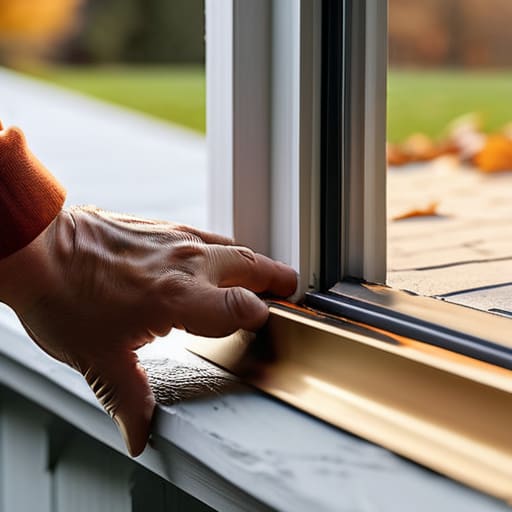
Most people treat a home inspection like a massive, overwhelming project that requires a weekend of frantic labor. That’s a mistake. Instead, think of it as a series of small, predictable checks that keep the system running smoothly. I like to break my annual home inspection checklist down into three distinct zones: the shell, the guts, and the flow. Start with the shell—check your seals, gutters, and siding. If water gets past the first line of defense, you’re already playing catch-up.
Once the exterior is solid, move inside to the “guts” of the house. This is where seasonal HVAC maintenance becomes non-negotiable. Don’t wait until the first heatwave or freeze to realize your filters are choked with dust or your coils are struggling. Check your water heater, test your smoke detectors, and look for any signs of moisture under sinks. It’s about catching the small leaks before they turn into expensive structural failures. By treating these as preventative home care tips rather than emergency repairs, you keep your mental load light and your house in peak condition.
Three Low-Friction Habits to Keep Your Systems Running Smoothly
- Stop treating maintenance like a massive, overwhelming project. Instead, tie your seasonal checks to things you’re already doing. When you pull the winter coats out of storage, that’s your cue to check the HVAC filters and the weather stripping. When you’re cleaning out the gutters in the fall, take thirty seconds to walk the perimeter and look for loose siding. If you integrate these small checks into existing seasonal transitions, they stop feeling like chores and start feeling like part of the rhythm.
- Build a “Maintenance Kit” so you aren’t hunting for tools when a problem arises. I keep a dedicated, weather-resistant bin in the garage that contains exactly what I need for seasonal shifts: heavy-duty gloves, a high-quality flashlight, basic sealant, and a multi-tool. Having everything in one place removes the friction of starting the task. If you have to spend twenty minutes looking for a screwdriver, you’ve already lost the mental momentum required to actually get the job done.
- Document the “as-is” state of your home. Every time you perform a seasonal check, jot down a quick note in my notebook or a simple digital file—not just what you fixed, but what looked “okay but worth watching.” If you notice a tiny hairline crack in the foundation or a slight dampness near a window frame in July, write it down. This creates a baseline of data. When things change in the winter, you won’t be guessing if a problem is new or if it’s been slowly progressing for months.
The Bottom Line
Stop treating maintenance like a massive, once-a-year crisis; build small, repeatable habits that prevent the friction before it starts.
Focus on the systems that protect your most valuable assets—your time and your peace of mind—rather than just checking boxes for the sake of it.
The Philosophy of Upkeep
“Home maintenance shouldn’t feel like a second job; it’s about building small, repeatable systems that prevent chaos before it starts, so your house remains a sanctuary instead of a source of stress.”
Gregory Scott Miller
Stripping Away the Friction
At the end of the day, seasonal maintenance isn’t about chasing perfection or buying every expensive gadget on the market. It’s about building a few reliable systems that prevent small issues from turning into expensive, high-stress disasters. Whether you are checking your gutters before the first storm or running that annual inspection, the goal is the same: protect your investment and minimize the chaos that comes with neglect. If you keep your approach simple and your checklists functional, you won’t find yourself constantly fighting against your own home.
I’ve learned through years of logistics and consulting that the best systems are the ones you actually stick to. Don’t let the idea of “home upkeep” feel like a mountain you have to climb every few months. Instead, view it as a way to reclaim your mental space. When your house is running smoothly, you stop worrying about what might break and start focusing on the things that actually matter—like enjoying that garden or finally finishing that woodworking project. Keep it simple, keep it consistent, and let your home serve you.