

Stop wasting your money on those specialized, overpriced sprays that promise a “mirror finish” but really just leave a greasy film behind. I spent years in logistics watching people overcomplicate simple workflows, and I see the same mistake in the kitchen every single day. You don’t need a cabinet full of chemical-heavy gadgets to figure out how to clean stainless steel; in fact, most of those products just create more friction in your cleaning routine. It’s a classic case of solving a problem that doesn’t exist while ignoring the actual physics of the surface.
I’m not here to sell you on a miracle product or a ten-step ritual that eats up your Saturday morning. Instead, I’m going to give you a streamlined, system-based approach that relies on basic principles and a few household staples. My goal is to show you how to maintain a clean, professional look with minimal effort and zero clutter, so you can stop fighting your appliances and get back to what actually matters.
Table of Contents
Mastering the Grain How to Avoid Scratches on Steel
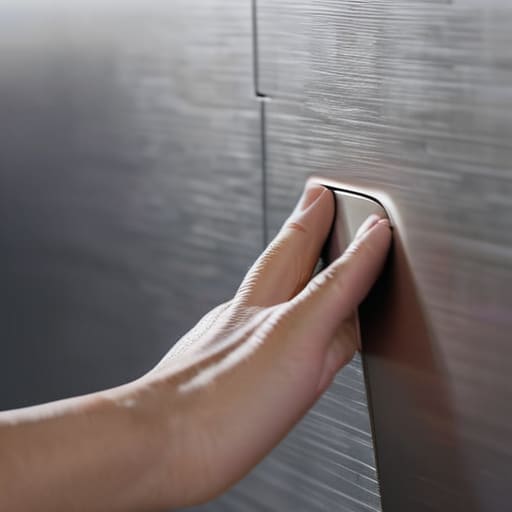
If you’ve ever looked at your fridge and seen tiny, swirling micro-scratches that weren’t there a month ago, you’ve likely been fighting the material rather than working with it. Most people treat stainless steel like a generic flat surface, but it actually has a “texture” known as the grain. Think of it like the grain in one of my old oak workbenches; if you sand against it, you’re going to leave marks. When you’re cleaning stainless steel grain direction, you must move your cloth in long, straight strokes that follow those subtle lines. If you scrub in circles, you’re essentially sanding the finish, and that’s a battle you won’t win.
Beyond just the direction, the tool you choose matters more than the chemical. I’ve seen people go at a smudge with a heavy-duty scouring pad, and it’s heartbreaking to watch. To truly master how to avoid scratches on steel, stick to high-quality microfiber cloths. They provide enough friction to lift grime without being abrasive. If you find yourself struggling with stubborn marks, don’t reach for the steel wool; instead, use a soft cloth and a bit of patience to lift the debris along the lines of the metal. It’s about precision, not force.
The Minimalist Kit Best Cleaning Products for Steel Surfaces
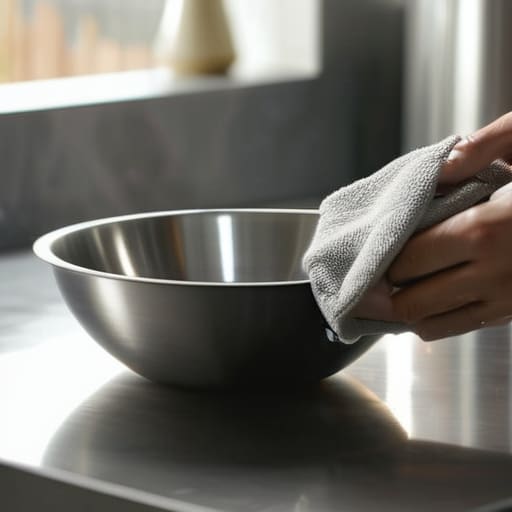
I’ve always been a skeptic when it comes to the “specialized” cleaning aisle. You’ll see rows of expensive, aerosol-sprayed liquids claiming to be the holy grail, but most of them just add more clutter to your under-sink cabinet. If you want to simplify, you really only need three things: a high-quality microfiber cloth, a mild dish soap, and a bottle of white vinegar. For most daily tasks, cleaning stainless steel with vinegar and oil is actually the most efficient system I’ve found. The vinegar cuts through the grease, and a tiny drop of food-grade mineral oil helps seal the surface.
If you’re dealing with stubborn spots or heavy buildup, don’t go hunting for industrial solvents. A simple solution of warm water and a few drops of pH-neutral soap is usually enough to handle the heavy lifting. The real secret to polishing stainless steel appliances without leaving streaks isn’t a magic chemical; it’s using a fresh, dry microfiber cloth to buff the surface once the grime is gone. Keep your kit lean, keep it functional, and stop paying a premium for marketing fluff.
The Three-Step Frictionless Workflow
- Ditch the heavy-duty scrubbers. I’ve seen too many people ruin a perfectly good fridge by using steel wool or abrasive pads. Stick to a high-quality microfiber cloth; it’s enough to lift the grime without leaving those micro-scratches that make your appliances look aged and tired.
- Work with the grain, not against it. Just like when I’m working with a piece of reclaimed oak in my shop, stainless steel has a direction. If you scrub across the grain, you’re just pushing dirt deeper into the microscopic grooves. Find the direction of the lines and follow them every single time.
- Finish with a dry buff. This is the step most people skip, which is why their steel looks streaky. After you’ve cleaned the surface, take a fresh, dry microfiber cloth and buff the area in circular motions. It removes the residue and leaves that clean, matte finish that actually looks intentional rather than just wiped down.
The Bottom Line: Keep It Simple
Stop hoarding specialized cleaners; a high-quality microfiber cloth and a basic, non-abrasive solution are all you need to maintain the finish without adding friction to your routine.
Always work with the grain to prevent permanent micro-scratches, treating the maintenance of your steel as a quick, systematic habit rather than a daunting chore.
## The Philosophy of Maintenance
“Cleaning stainless steel isn’t about achieving a showroom shine through sheer force; it’s about understanding the surface well enough to work with it, not against it. If you’re scrubbing harder than necessary, your system is broken.”
Gregory Scott Miller
The Path to a Frictionless Kitchen
At the end of the day, keeping your stainless steel looking sharp isn’t about buying every specialized spray on the market or spending your entire Saturday scrubbing. It comes down to two things: respecting the grain to prevent permanent damage and keeping your toolkit lean. Once you have a minimalist setup and a consistent rhythm, the task stops being a chore and becomes a quick, five-minute reset. Remember, the goal is to maintain the surface, not to fight it. By following these simple systems, you ensure your appliances remain a functional part of your home rather than a constant source of visual clutter.
I’ve spent a lot of my career optimizing complex logistics, and I’ve learned that the smallest frictions often cause the most frustration. Your kitchen should be a place of utility and calm, not a place where you’re constantly battling streaks and smudges. When you optimize your environment this way, you reclaim more than just a shiny countertop; you reclaim your mental bandwidth. Stop overthinking the process and just start implementing a system that actually works for your life.