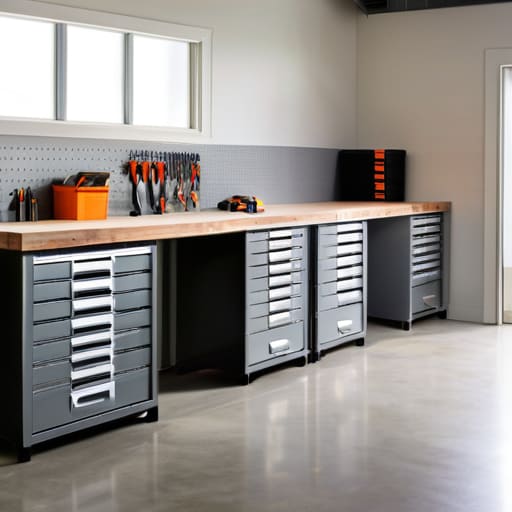

I was standing in my garage last Saturday, staring at a pile of rusted hand planes and half-empty jugs of sealant, feeling that familiar, low-grade headache. I had just spent two hours looking for a specific set of calipers, only to realize they were buried somewhere under a mountain of “stuff” I haven’t touched since 2019. Most people think they need a massive investment in custom cabinetry or those expensive, modular plastic bin systems to learn how to organize your garage, but that’s just expensive noise. If your system requires a PhD and a huge credit card limit to maintain, it’s not a system—it’s a chore.
I’m not here to sell you on a lifestyle brand or a million-dollar renovation. My goal is to help you apply a little systems engineering to your chaos so you can actually find your tools when you need them. I’m going to show you how to strip away the friction and build a functional layout that works with your actual habits, not some idealized version of a workshop. We’re going to focus on high-impact, low-cost moves that turn your garage back into a space that serves you, rather than a graveyard for things you’re too busy to deal with.
Table of Contents
The Garage Decluttering Checklist Stripping Away the Friction
Before you even touch a single bin or shelf, you need a plan. Most people fail because they start moving things around aimlessly, which just results in a different version of the same mess. I treat this like any other systems overhaul: you have to audit your inventory first. Grab that notebook I mentioned earlier and walk through the space. Group everything into three categories: Keep, Donate, or Trash. If you haven’t touched a tool or a piece of seasonal decor in two years, it’s just taking up valuable real estate.
Once you’ve cleared the floor, it’s time to implement a functional garage decluttering checklist that focuses on accessibility. I’m a big believer in the “frequency of use” rule. Things you use weekly should be at waist height, while seasonal items can go higher up. To really win back your floor space, look into vertical wall storage ideas like pegboards or slatwalls. By getting your gear off the ground and onto the walls, you stop fighting the layout and start working with it.
Smart Garage Storage Solutions That Actually Serve You
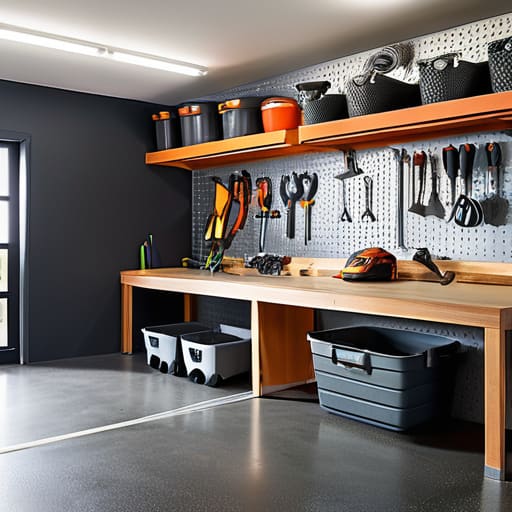
Once you’ve cleared the floor, the real work begins: deciding where everything actually lives. Most people make the mistake of buying a bunch of plastic bins and just stacking them in a corner, which is just organized chaos. Instead, I focus on vertical wall storage ideas to get as much off the ground as possible. Whether it’s a heavy-duty slatwall or a simple pegboard system, the goal is to keep your most frequently used items within arm’s reach. If you have to move three things to get to the one thing you actually need, the system has failed.
For the heavier gear, I rely on robust garage shelving systems that can handle real weight without bowing. I like to keep my workbench clear, so I use overhead racks for seasonal items—things like holiday decor or camping gear that I only touch once or twice a year. It’s about creating distinct zones for different tasks. When every tool has a dedicated home, you stop searching and start doing.
Three Rules for Maintaining a Frictionless Garage
- Stop the “One-In, One-Out” Leak. Every time you bring a new tool or a piece of seasonal gear into the garage, something else has to leave. If you don’t have a designated spot for the new item, you don’t have room for it. Period. This prevents the slow creep of clutter that turns a workspace back into a graveyard for junk.
- Group by Mission, Not by Category. Don’t just throw all your “tools” in one bin. Group them by the job they do. If you’re working on a weekend woodworking project, you want the sanders, the clamps, and the safety gear in one zone. When your tools are organized by the task at hand, you spend less time hunting and more time actually building.
- Use Vertical Real Estate Like a Pro. If it’s sitting on the floor, it’s in your way. I’ve learned the hard way that floor space is the most precious commodity in a garage. Use heavy-duty wall tracks, pegboards, or overhead racks for anything that isn’t a heavy workbench or a vehicle. Get your gear up and out of your walking paths.
The Bottom Line: Systems Over Stuff
Stop chasing perfection and start building for utility; a garage isn’t a showroom, it’s a workspace that should support your projects without getting in your way.
Focus on reducing friction by giving every high-frequency tool a dedicated, visible home so you spend less time hunting and more time doing.
The Philosophy of Space
“A garage shouldn’t be a graveyard for things you’ll eventually get to; it should be a high-functioning extension of your home that respects your time and your tools.”
Gregory Scott Miller
The System is Only the Beginning
At the end of the day, organizing your garage isn’t about achieving some unrealistic, showroom-perfect aesthetic. It’s about the checklist, the smart storage, and the strategic layout we’ve discussed, all working together to eliminate the friction in your daily routine. When you stop fighting the chaos and start implementing these systems, you aren’t just moving boxes; you are reclaiming your mental bandwidth. You’re ensuring that when you need that specific wrench or those seasonal garden tools, you aren’t wasting twenty minutes digging through a mountain of junk.
Remember, a system is only as good as its ability to survive real life. Don’t get discouraged if a shelf gets cluttered or a tool ends up on the floor after a long weekend project. The goal isn’t perfection—it’s sustainable functionality. Take it one step at a time, keep your tools sharp, and let your garage serve your life rather than draining your energy. Now, grab that notebook, pick one corner, and start building.