
I spent most of last weekend in my workshop, surrounded by the smell of cedar and old oil, trying to figure out why I’d wasted so much money on “smart” gadgets that were supposed to save energy but actually just added more clutter to my life. It’s the same story whenever you look up eco friendly home tips online; you’re met with a mountain of expensive, high-tech solutions and complex lifestyle overhauls that feel more like chores than actual improvements. Honestly, most of that advice is just marketing noise designed to sell you a product you don’t need to solve a problem you didn’t know you had.
I’m not here to sell you a subscription to a lifestyle brand or convince you to overhaul your entire life overnight. My approach is much simpler: we are going to look at your home through the lens of systems and friction. I’ll share the specific, low-maintenance changes I’ve implemented in my own craftsman home that actually reduce waste and lower costs without requiring a degree in environmental science. We’re going to focus on practical, high-impact shifts that work in the real world, because a sustainable home shouldn’t feel like a second job.
Table of Contents
Energy Efficient Home Improvements That Actually Work
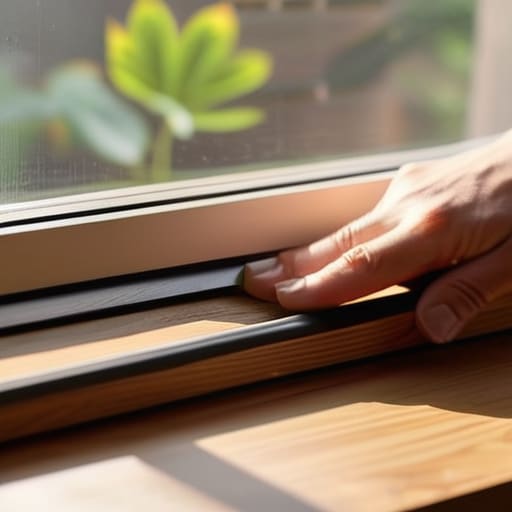
Most people think they need to install a massive solar array or a smart-home ecosystem that costs a fortune just to make a dent in their utility bills. That’s not how I look at it. I look at energy through the lens of reducing friction. The most effective energy efficient home improvements are often the ones you can’t even see. Start with your thermal envelope. If you can feel a draft near a window or a door, you’re essentially paying to heat the neighborhood. Sealing those gaps with simple weatherstripping is a low-effort, high-reward move that pays for itself in a single season.
Once you’ve addressed the leaks, look at your heavy hitters: your water heater and your lighting. You don’t need a complete overhaul; just lowering your water heater temperature by a few degrees can significantly reduce your household carbon footprint without you even noticing the difference in your shower. Pair that with swapping out old incandescent bulbs for high-quality LEDs, and you’ve built a system that works in the background. It’s about optimizing the existing infrastructure rather than chasing the latest expensive gadget.
Zero Waste Lifestyle Hacks Without the Friction
Most people approach “going green” like a massive, overwhelming project that requires a complete identity overhaul. That’s a mistake. If a system is too hard to maintain, you’ll abandon it by Tuesday. To truly implement zero waste lifestyle hacks, you have to stop looking for perfection and start looking for friction points. I don’t buy a hundred glass jars to organize my pantry; I just start by refusing the single-use plastics that clutter my trash can every week. It’s about making the sustainable choice the easiest one.
Start with your cleaning routine. You don’t need a cabinet full of specialized, expensive chemicals; most of those are just high-margin marketing. Switch to a few versatile, eco friendly cleaning products—think concentrated refills or simple vinegar and baking soda solutions. It clears the clutter under your sink and simplifies your shopping list. When you reduce the number of decisions you have to make, you stop fighting your environment and start letting it work for you.
Low-Friction Habits for a Sustainable Kitchen
- Stop buying single-use plastics just because they’re convenient; instead, set up a “refill station” in your pantry. Keep a dedicated bin for bulk dry goods and use glass jars you already own. If the system is easy to access, you won’t revert to the high-friction habit of grabbing plastic-wrapped versions at the grocery store.
- Optimize your water usage by installing simple, low-flow aerators on your faucets. It’s a five-minute hardware fix that requires zero lifestyle changes. You get the same pressure, but you’re cutting down on wasted liters without even thinking about it.
- Audit your cleaning cabinet and strip it down to the essentials. You don’t need twelve different specialized chemical sprays; a high-quality concentrated refill system or even just white vinegar and castile soap does the job. Less clutter on your counters means less mental friction and fewer toxic chemicals entering your home ecosystem.
The Bottom Line
Don’t try to overhaul your entire life overnight; pick one high-friction habit, swap it for a simpler system, and let that become your new baseline.
Focus on systems that save you time and mental energy, because a green lifestyle isn’t worth it if it’s so complex that you eventually abandon it.
## The Systems Approach to Sustainability
“Sustainability isn’t about achieving some impossible state of perfection or buying every ‘green’ gadget on the market; it’s about redesigning your daily systems to remove the friction between what you want to do and what you actually do.”
Gregory Scott Miller
The Path Forward
At the end of the day, building an eco-friendly home isn’t about achieving some unattainable state of perfection or buying every “green” gadget on the market. It’s about the systems we’ve discussed: tightening up your energy usage to stop wasting money, and simplifying your waste streams so they don’t become a mental burden. When you focus on reducing friction—whether that’s through better insulation or a more intuitive recycling setup—you aren’t just helping the planet; you are optimizing your own environment for better living.
Don’t feel like you have to overhaul your entire life by Monday morning. That’s a recipe for burnout, and we don’t do burnout here. Pick one system, get it running smoothly, and then move to the next. Real sustainability is found in the consistent, small adjustments that actually stick because they fit into your real-world routine. Strip away the noise, focus on what works, and let your home start working for you.