
I spent fifteen years in corporate logistics, and if there is one thing I learned, it’s that you can’t optimize a system if the hardware is failing. I used to think I could outwork a bad setup, sitting there for ten hours straight until my lower back felt like it was being squeezed in a vise. Most of the desk job health tips I saw online were useless—expensive ergonomic chairs that cost a month’s rent or complex “wellness routines” that required a yoga mat and an hour of free time I didn’t have. It was all noise, and it ignored the reality of a high-pressure workday.
I’m not here to sell you a subscription to a meditation app or a thousand-dollar stool. My goal is to help you apply some basic systems engineering to your workspace to strip away the physical friction that’s slowing you down. I’m going to share a few no-nonsense adjustments you can make right now to reclaim your focus and protect your body without turning your office into a laboratory. We’re going to focus on functional simplicity—solutions that actually work when you’re in the middle of a deadline.
Table of Contents
Optimizing Your Ergonomic Workstation Setup to Remove Physical Friction
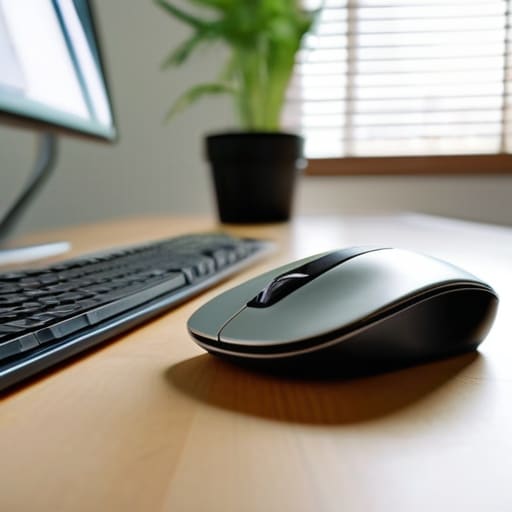
Most people treat their desk like a static piece of furniture, but I view it as a piece of machinery that needs calibration. If your setup is off by even a few degrees, you’re creating unnecessary friction that accumulates as tension by 3:00 PM. Start with your monitor; it should be at eye level so you aren’t constantly craning your neck downward. When you achieve a proper ergonomic workstation setup, you stop fighting your equipment and start working with it. I always tell my clients: if you have to reach for your mouse or squint at your screen, the system is broken.
Don’t fall into the trap of thinking a high-end chair solves everything. A good chair is just one component of a larger system designed for preventing sedentary lifestyle diseases. I’ve found that incorporating a sit-stand transition is one of the most effective ways to break up static loading on your spine. Even if you don’t have a motorized desk, simply changing your posture or standing for ten minutes every hour can drastically reduce the physical toll of a long workday. It’s about minimizing the friction between your body and your tasks.
Simple Office Movement Breaks to Combat a Sedentary Lifestyle
The problem with most advice on staying active is that it treats movement like a separate chore rather than a part of your workflow. If you wait until you’re exhausted to move, you’ve already lost the battle. Instead, I view office movement breaks as necessary system maintenance. Every 50 minutes, I set a silent timer on my phone. When it goes off, I don’t just stretch; I change my physical state. This might mean a quick lap around the house or simply standing up to reset my posture. It isn’t about a high-intensity workout; it’s about interrupting the stagnation before it sets in.
If you find yourself leaning into your monitor, you’re likely dealing with tension that a simple stretch won’t fix. I’ve found that incorporating specific desk stretches for neck pain—like gentle chin tucks or shoulder blade retractions—can prevent that mid-afternoon slump from turning into a chronic ache. Don’t overcomplicate it. You don’t need a yoga mat or a gym membership to combat a sedentary lifestyle; you just need the discipline to stop being a statue for ten minutes every hour.
Three Systems to Protect Your Mental and Visual Bandwidth
- Stop the screen-stare fatigue by implementing the 20-20-20 rule. Every twenty minutes, look at something twenty feet away for at least twenty seconds. It sounds simple, but it’s a necessary system to prevent your eyes from locking into a state of constant tension.
- Manage your digital environment to reduce cognitive load. Close every tab that isn’t tied to your current task and turn off non-essential notifications. If your computer is constantly pinging you, it’s not a tool—it’s a distraction that’s stealing your focus.
- Set a hard “shutdown” ritual to separate work from life. When the day is done, clear your physical desk and close your laptop. This creates a physical boundary that signals to your brain that the work system is offline, allowing you to actually recover in your own space.
The Bottom Line
Stop treating your workspace as a static piece of furniture; view it as a dynamic system that requires regular tuning to keep you from hitting a wall.
Real wellness isn’t about a 60-minute gym session—it’s about removing the small, constant frictions in your daily routine that drain your energy.
## The Systemic View of Wellness
“Your body isn’t designed to be a static component in a workstation; stop trying to ‘tough out’ the discomfort and start redesigning the system that’s causing it.”
Gregory Scott Miller
Reclaiming Your Well-being
At the end of the day, improving your health while working a desk job isn’t about a massive lifestyle overhaul or buying every expensive ergonomic gadget on the market. It’s about the small, tactical adjustments we discussed: refining your workstation to eliminate physical strain and building intentional movement into your schedule to break the cycle of stillness. When you treat your workspace as a system that needs regular maintenance, you stop fighting against your environment and start working with it. It’s about removing the friction that drains your energy before the workday is even over.
Don’t feel like you have to implement every single change by tomorrow morning. Systems are built incrementally, not overnight. Start with one adjustment—maybe it’s repositioning your monitor or setting a timer for a quick stretch—and see how it shifts your focus. My goal isn’t to give you more things to do, but to help you reclaim your mental and physical space. Focus on the small wins, keep your setup functional, and remember that your environment should serve you, not the other way around.