
I was hunched over a 1940s hand plane last Tuesday, trying to flatten a piece of walnut, when I felt that familiar, sharp ache bloom at the base of my neck. It’s a physical reminder that despite my background in systems engineering, I’ve been treating my own body like a poorly designed machine. Most people think they need expensive ergonomic chairs or those ridiculous posture-correcting braces that make you look like a human pretzel, but they’re missing the point. If you want to know how to improve your posture, you have to stop looking for a magic gadget and start looking at the friction in your daily environment.
I’m not here to sell you a subscription to a wellness app or a thousand-dollar desk. My goal is to help you strip away the unnecessary complexity and implement a few functional adjustments that actually stick when life gets busy. I’m going to show you how to audit your workspace and your habits to build a system that supports your spine naturally. We’re going to focus on small, repeatable wins that reclaim your physical comfort without turning your life into a full-time job.
Table of Contents
An Ergonomic Workspace Setup That Actually Serves You
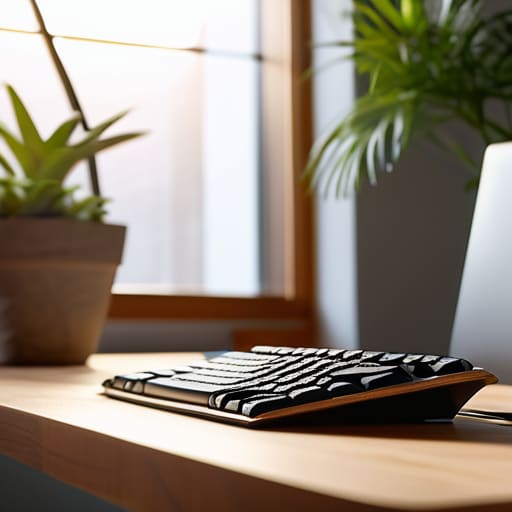
Most people approach their desk like a battleground, trying to force their bodies into some rigid, “perfect” position they saw in a textbook. That’s not how it works. A functional ergonomic workspace setup isn’t about being a statue; it’s about minimizing the friction between your body and your tools. Start with your monitor. If you’re looking down, you’re already losing the fight. Your eyes should hit the top third of the screen so your neck stays neutral. If you’re working on a laptop, get a stand and a separate keyboard. It’s a small tweak, but it changes everything for your spinal alignment.
Next, look at your seating. If your feet are dangling or your lower back feels like it’s collapsing, your chair is failing you. You don’t need a $1,500 high-tech throne; you just need to ensure your hips and knees are at roughly 90-degree angles. I’ve found that if I can’t feel my feet firmly planted, I start slouching within twenty minutes. This is where we combat the effects of sitting for long periods. By adjusting your chair height and lumbar support, you stop fighting gravity and start letting your skeleton do the heavy lifting.
Correcting Rounded Shoulders Without Adding More Friction

Most people think correcting rounded shoulders requires a grueling hour of yoga or a gym membership, but that’s a recipe for failure. If a system is too hard to maintain, you won’t do it. Instead of adding more to your plate, look at how you move during the gaps in your day. I’ve found that the most effective approach is integrating small, micro-movements into your existing routine—like a quick chest stretch every time you finish a meeting or a few scapular retractions while your coffee brews.
The real goal isn’t just stretching; it’s about strengthening core muscles for posture so your body holds itself upright without you having to think about it. When your midsection is stable, your shoulders naturally find their place. I also swear by simple spinal alignment techniques like the “wall slide” for two minutes before bed. It’s low-friction, requires zero equipment, and builds the muscle memory needed to undo the damage caused by the effects of sitting for long periods.
Low-Friction Habits to Keep You Upright
- Stop relying on willpower and start using environmental cues. If you find yourself slouching, it’s usually because your setup has become too comfortable in all the wrong ways. Place a small, tactile object—like a smooth stone or a heavy brass paperweight—on your desk. When you feel your focus drifting and your spine collapsing, reach out and touch it. It’s a physical reset button that pulls you out of a slouch and back into an intentional position without needing a complex app or a timer.
- Integrate “micro-movements” into your existing workflow. I don’t have time for a twenty-minute yoga session in the middle of a consulting call, and neither do you. Instead, use the natural transitions in your day—like waiting for a file to download or hanging up a Zoom call—to perform a single, purposeful movement. A simple chin tuck or a gentle chest stretch takes five seconds, but doing it consistently removes the physical “stiffness” that builds up over hours of sitting.
- Audit your footwear and your foundation. We often obsess over how we sit, but we forget how we stand. If you’re wearing shoes with zero support or standing on hard surfaces all day, your pelvis will tilt, and your upper body will compensate by hunching. Whether it’s investing in a high-quality pair of ergonomic shoes or simply adding a subtle, functional mat to your standing desk area, fixing the base of your system makes maintaining an upright posture feel like a natural state rather than a constant struggle.
The Bottom Line: Systems Over Willpower
Stop treating posture as a mental test of willpower; instead, treat it as an environmental design problem. If you find yourself slouching, don’t blame your discipline—fix the desk height or the monitor position so your body has no choice but to sit correctly.
Focus on high-leverage, low-friction changes. You don’t need a complex regimen of twenty different stretches; you just need a workspace that supports your natural alignment and a few small habits that prevent tension from building up in the first place.
The Core Principle
“Posture isn’t about forcing yourself into a rigid, unnatural stance; it’s about engineering your environment so that standing tall becomes the path of least resistance.”
Gregory Scott Miller
Systems Over Quick Fixes
At the end of the day, improving your posture isn’t about finding a magic stretch or buying a $500 ergonomic chair. It’s about the small, consistent adjustments we discussed: optimizing your desk height, managing your shoulder position, and removing the physical friction that forces you into a slouch. If you focus on building better systems within your workspace rather than just trying to “willpower” your way into sitting up straight, you’ll find that the change actually sticks. It’s about making the right posture the path of least resistance in your daily routine.
Don’t aim for perfection on day one. If you try to overhaul your entire physical existence overnight, you’ll burn out by Tuesday. Instead, pick one small adjustment—maybe it’s just moving your monitor up an inch—and master that first. Your body is a complex system, and like any good engineering project, it requires steady, incremental tuning. Stop fighting against your environment and start designing it to support you. You deserve to move through your day without the constant, nagging tax of physical discomfort.