
I spent most of my career in logistics, where efficiency isn’t a suggestion—it’s the law. When I first moved into my craftsman home, I fell into the same trap as everyone else: I thought I needed more expensive furniture or some high-tech lighting solution to fix my cramped home office. I was wrong. Most of the advice you see online about how to make a small room look bigger is just a way to sell you more stuff you don’t need. You don’t need a bigger floor plan; you need to stop fighting your own layout and start addressing the friction that’s making your space feel suffocating.
I’m not here to give you a list of trendy decor hacks that will look dated by next season. Instead, I want to share the practical, systems-based approach I use to optimize my own living spaces. We’re going to focus on stripping away the visual noise and implementing a few functional adjustments that actually work in a real-world environment. My goal is to help you reclaim your square footage by focusing on what truly matters: clarity and flow.
Table of Contents
Mastering Interior Design Color Palettes for Small Rooms
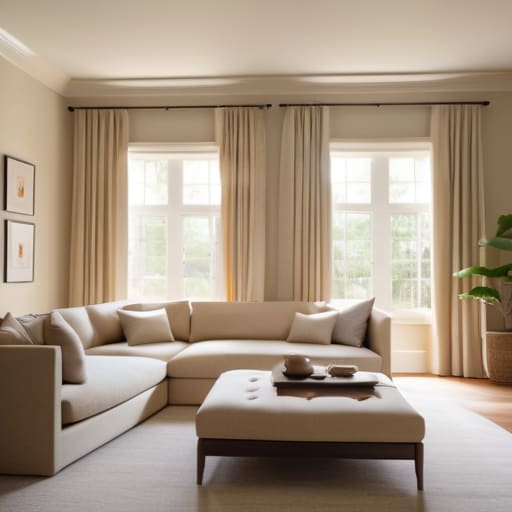
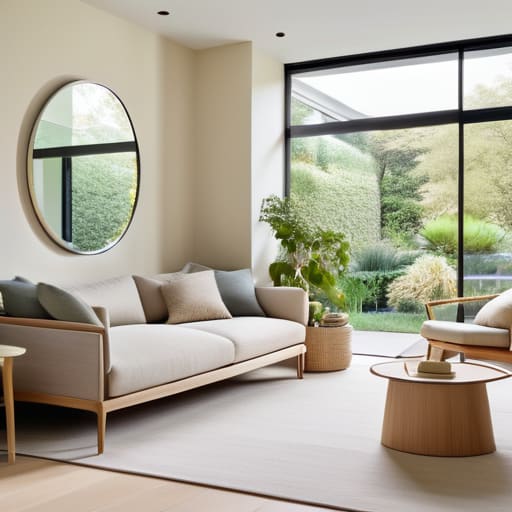
When it comes to color, most people make the mistake of thinking they need to go blindingly white to create space. That’s a misconception. While light colors reflect more light, the real trick lies in creating a cohesive flow. I’ve found that using consistent interior design color palettes for small rooms—where the walls, trim, and even large furniture pieces share similar tones—prevents the eye from getting “stuck” on visual boundaries. When the transitions are seamless, the room feels continuous rather than segmented.
Don’t be afraid of depth, either. Using a single, muted tone on both the walls and the ceiling can actually blur the line where the wall ends and the ceiling begins. This is a simple way of minimizing visual friction without needing a massive renovation. If you want to add character, do it through texture rather than high-contrast colors that chop up the room. Keep the palette tight, keep the transitions smooth, and let the light do the heavy lifting.
Leveraging Mirrors for Spatial Illusion and Depth
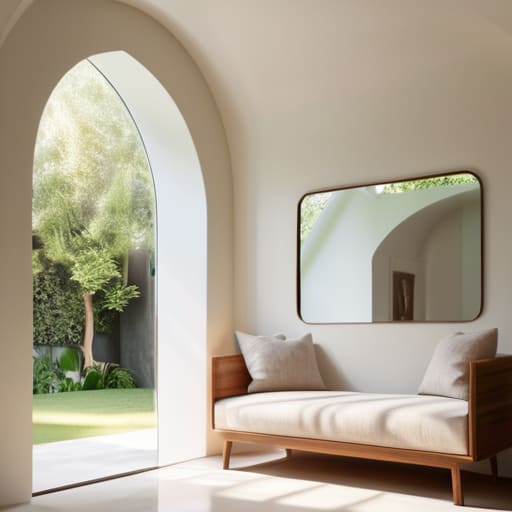
If you want to trick the eye into seeing more depth, stop thinking about mirrors as just something to check your reflection in and start treating them as architectural tools. I’ve found that placing a large, floor-length mirror directly opposite a window is the most efficient way to bounce natural light back into the room. It effectively doubles your light source and creates a sense of “borrowed space” that makes a cramped corner feel significantly more open.
When you’re maximizing small space living, placement is everything. Don’t just hang a small piece in the middle of a wall; instead, try using a series of smaller mirrors or even a large mirror positioned near vertical storage solutions to draw the eye upward. This creates a sense of height and breaks up the visual weight of the walls. It’s not about adding more “stuff”—it’s about using mirrors for spatial illusion to strip away that boxed-in feeling and let the room breathe.
Stop Fighting Your Furniture: Three Systems to Reclaim Your Floor Space
- Stop buying “small” furniture and start looking for legs. When you buy a heavy, skirted sofa that sits flush against the floor, you’re essentially creating a visual wall that stops the eye dead in its tracks. I prefer pieces with slim, tapered legs—mid-century style works perfectly here. Seeing the floor extend underneath the furniture tricks your brain into perceiving more continuous square footage.
- Implement a “Vertical Only” storage rule. Most people try to solve clutter by adding more cabinets or bookshelves that eat up precious floor real estate. That’s a losing battle. Instead, use your walls. Install floating shelves or high-mounted bookcases that draw the eye upward toward the ceiling. It keeps the footprint clear and makes the room feel taller, which is just as important as making it feel wider.
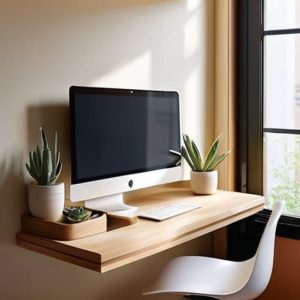
- Curate your surfaces to reduce visual friction. We often think “more stuff” makes a room feel lived-in, but in a small space, it just creates chaos. I treat my surfaces like a logistics problem: if an object doesn’t serve a daily function or provide genuine value, it doesn’t get a spot on the coffee table or the desk. Keep your horizontal planes as clear as possible; the less “noise” your eyes have to process, the more open the room feels.
The Bottom Line: Systems Over Stuff
Stop chasing the “perfect” decor and start focusing on visual flow; a room feels bigger when your eyes can move through it without hitting a wall of clutter or heavy, dark furniture.
Use light and reflection as functional tools, not just design choices, to stretch the boundaries of your physical footprint without needing more square footage.
## The Core Philosophy of Space
“Making a room feel larger isn’t about how much floor you can see; it’s about how much mental friction you can remove. If your environment is constantly fighting you with visual noise and unnecessary clutter, no amount of clever decorating will ever make it feel spacious.”
Gregory Scott Miller
Reclaiming Your Space
At the end of the day, making a small room feel expansive isn’t about magic tricks or expensive renovations. It’s about applying a bit of systems thinking to your surroundings. By choosing a cohesive, light-driven color palette and strategically using mirrors to bounce light around, you aren’t just decorating; you are reducing the visual noise that makes a room feel claustrophobic. Remember, the goal is to stop fighting your floor plan and start working with it. When you strip away the unnecessary bulk and prioritize light and depth, you create a space that finally feels like it has room to breathe.
Don’t get caught up in the pursuit of perfection or the need for more “stuff” to fill the gaps. A room feels big when it feels intentional. My advice is to start small: pick one corner, clear the clutter, and implement one of these systems this weekend. Once you experience the mental clarity that comes from a streamlined environment, you won’t want to go back. Your home should be a place of rest, not a source of friction.