
I’ve spent most of my career stripping away inefficiency, so it drives me crazy seeing people treat plant care like some high-stakes chemistry experiment. You don’t need a $50 moisture meter, a specialized spectrum grow light, or a laminated calendar just to figure out how to care for houseplants without losing your mind. Most of the “expert” advice out there is just noise designed to sell you more gadgets that ultimately add unnecessary friction to your daily routine.
I’m not here to give you a lecture on botanical Latin or complex fertilization schedules. Instead, I want to show you how to build a low-maintenance system that works with your actual lifestyle, not against it. I’ll share the practical, battle-tested methods I use in my own home to keep my greenery thriving while keeping my mental space clear. We’re going to focus on functional simplicity so you can enjoy your plants instead of constantly managing them.
Table of Contents
Mastering Indoor Plant Light Requirements Without the Guesswork
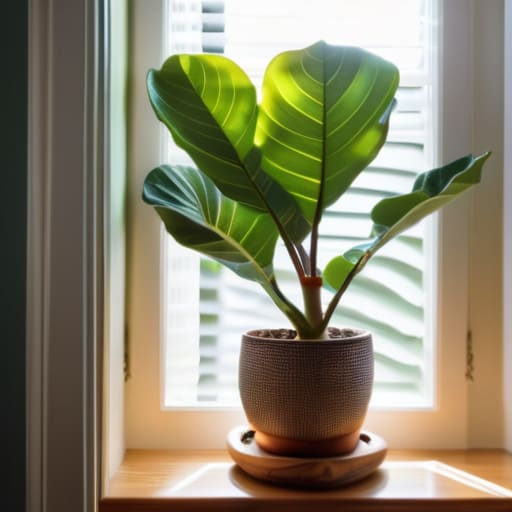
Most people fail at plant care because they treat light like a suggestion rather than a hard requirement. I see it all the time: someone buys a beautiful, sun-loving Fiddle Leaf Fig and tucks it into a dim corner because it “looks nice” there. That’s a recipe for frustration. To get this right, you need to stop guessing and start observing. Use a simple light meter app on your phone or just watch where the shadows fall at noon. You aren’t just looking for brightness; you are identifying specific indoor plant light requirements to match the species you’ve brought home.
Once you understand the light, the rest of your system falls into place. If you have a dark corner, don’t fight physics—get a low-light plant. If you have a sun-drenched window, lean into it. Understanding this baseline is what prevents the cycle of buying, killing, and feeling guilty. When you align the plant’s biological needs with the actual available energy in your room, you stop fighting nature and start working with it.
The Real World Guide to Best Soil for Houseplants
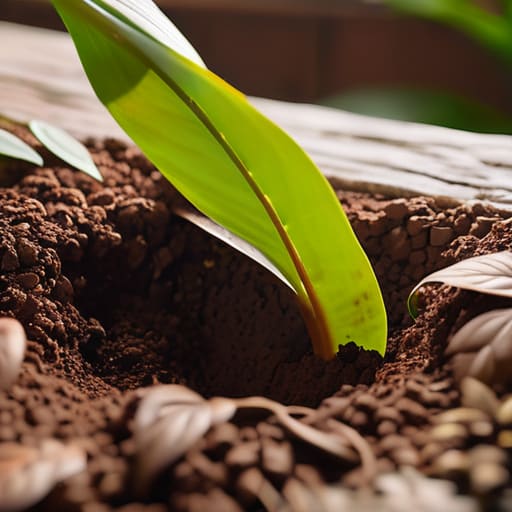
Most people make the mistake of thinking “dirt” is a universal solution. If you buy a bag of generic potting soil from a big-box store and dump it into every pot in your house, you’re setting yourself up for a maintenance nightmare. The goal isn’t just to feed the plant; it’s to manage the environment within the pot. For most of my greenery, I look for a mix that prioritizes drainage and aeration. If the soil stays soggy, you’re inviting root rot, which is a much harder problem to fix than a simple lack of light.
When I’m looking for the best soil for houseplants, I focus on texture and composition. For succulents or cacti, I lean heavily on inorganic amendments like perlite or coarse sand to ensure water moves through quickly. For my tropicals, I want something that holds a bit more moisture but still breathes. A simple, effective system is to create a custom blend using high-quality peat or coco coir, perlite, and a bit of orchid bark. This prevents the soil from compacting over time, meaning you won’t have to follow a constant repotting indoor plants guide just to keep your roots from suffocating.
Three Frictionless Systems for Keeping Your Plants Alive
- Stop following a rigid watering calendar. Schedules are arbitrary and usually lead to root rot or dehydration because they don’t account for humidity or temperature shifts. Instead, use the finger test: stick your finger an inch into the soil. If it feels dry, water it; if it’s damp, walk away. It’s a simple, tactile feedback loop that works every time.
- Group your plants by their thirst levels to reduce your mental load. I don’t like jumping from a desert cactus to a tropical fern in a single session. By clustering high-moisture plants together, you create a microclimate that naturally holds humidity and allows you to tackle your watering “maintenance window” in one efficient sweep.
- Build a “check-in” habit rather than a “task” list. Don’t treat plant care like a chore you have to check off; integrate it into something you already do, like your morning coffee. While the pot is brewing, do a quick visual scan for yellow leaves or pests. Catching a problem early is much easier than trying to engineer a solution once the plant is already failing.
The Bottom Line: Stop Guessing and Start Systematizing
Don’t let the aesthetics fool you; plant health is a system of light, soil, and water. If one variable is off, the whole thing fails, so prioritize getting the fundamentals right before you worry about fancy fertilizers.
Forget the rigid, “every Tuesday” watering schedules you see online. Instead, build a habit of checking the soil moisture yourself—it’s a small friction point that saves you from the much bigger headache of a dead plant.
Systems Over Schedules
“Stop trying to manage your plants with a rigid calendar; instead, build a simple observation system that respects the actual environment of your home. A plant doesn’t care what day it is, it only cares about the moisture in its soil and the light in its corner.”
Gregory Scott Miller
Getting the System Right
At the end of the day, keeping plants alive isn’t about following a rigid, complicated manual; it’s about understanding the basic inputs. We’ve covered how to match your plants to the right light levels and how to select a soil that actually allows them to breathe. Once you stop guessing and start observing, you realize that most plant failures are just system failures. If you get the light and the substrate right, you’ve already won half the battle. Don’t let the fear of a yellowing leaf stop you from trying; just treat it as data for your next adjustment.
My goal isn’t to turn you into a professional botanist, but to help you integrate these living things into your home without them becoming another source of stress. A well-maintained plant should be a source of calm, not another chore on your endless to-do list. Build a routine that works for your lifestyle, keep it simple, and let the systems do the heavy lifting. Once you strip away the friction, you’ll find that growing a green space is one of the most rewarding ways to optimize your environment.