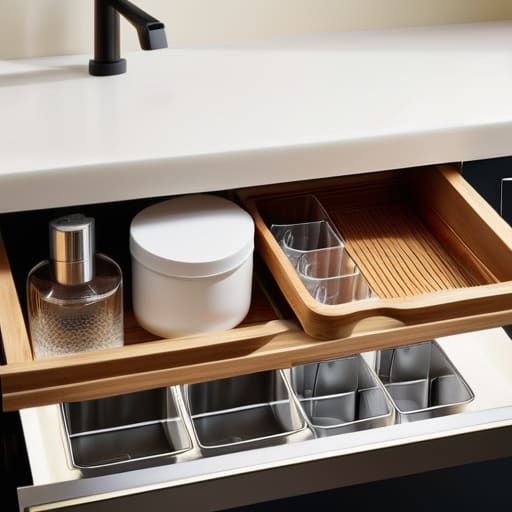

Stop wasting your money on those expensive, multi-tiered acrylic bins and rotating carousels you see in every home decor magazine. Most of that “organizational” gear is just more plastic clutter waiting to fail the moment you actually try to reach for a bottle of degreaser in a hurry. I’ve spent years applying systems engineering to real-world environments, and I can tell you that the secret to how to organize under the sink isn’t about buying more stuff; it’s about eliminating friction. If you have to move three things just to get to the Windex, your system is broken.
I’m not here to sell you a lifestyle or a complicated routine that takes three hours to maintain. Instead, I’m going to show you how to build a functional, low-maintenance setup using logic rather than aesthetics. We’re going to focus on accessibility, grouping by frequency of use, and utilizing the actual dimensions of your cabinet. By the end of this, you’ll have a space that actually serves you, so you can spend less time digging through chaos and more time focusing on what matters.
Table of Contents
Ditch the Clutter With Real Kitchen Cabinet Decluttering Tips
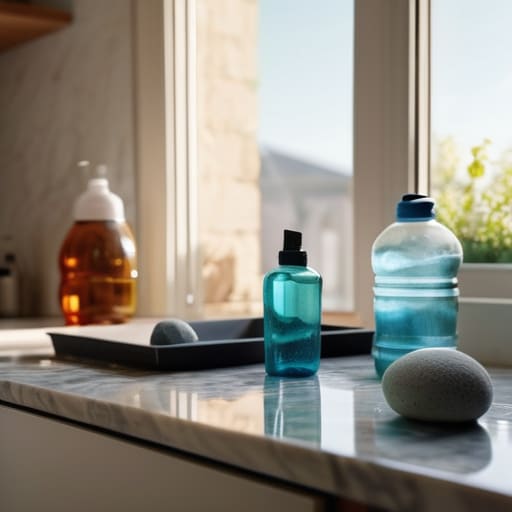
Before you even think about buying a single bin, you need to clear the deck. I’ve seen too many people try to organize chaos, and it never works. Pull everything out—every half-empty bottle of Windex and every crusty sponge—and lay it on the counter. If you haven’t used a specific cleaner in six months, or if the spray nozzle is broken, toss it. Most of us are holding onto “just in case” items that are actually just taking up valuable real estate.
Once the surface is clear, look at what’s left. Instead of trying to force everything into the dark corners, focus on maximizing small cabinet space by grouping items by frequency of use. Keep your daily essentials right at the front and move the heavy-duty degreasers or seasonal supplies to the back. If you’re dealing with a particularly messy area, I highly recommend investing in some waterproof cabinet liners before you put anything back. It’s a small step that prevents leaks from turning into a permanent, sticky nightmare.
Maximizing Small Cabinet Space With Systems That Actually Work
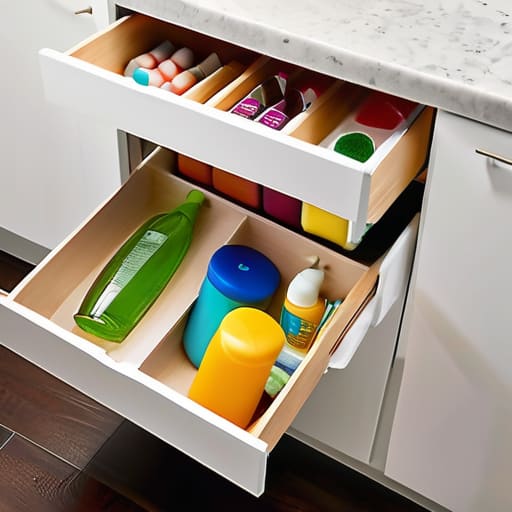
Once you’ve cleared the junk, the real challenge is the geometry of the space. Most under-sink areas are deep, dark, and awkward, which is why things inevitably get lost in the back. Instead of trying to force everything into one pile, I like to think in terms of verticality. If you aren’t using the height of the cabinet, you’re wasting prime real estate. This is where under sink pull out organizers become a game changer. They turn a deep, unreachable cavern into a series of accessible drawers, so you aren’t on your hands and knees every time you need a bottle of Windex.
I also swear by a “zone” approach to keep things from sliding around. Group your items by frequency of use: daily cleaners in the front, heavy-duty supplies in the back. To protect your investment, I always recommend installing waterproof cabinet liners before you put anything away. It’s a small, low-effort step that prevents a single leaky bottle from ruining your cabinetry. It’s not about making it look like a showroom; it’s about creating a setup that actually functions when you’re in the middle of a cleaning sprint.
Three Systems to Stop the Under-Sink Chaos
- Stop buying those tiered spinning organizers that just create more dead space. Instead, use clear, stackable bins that match the depth of your cabinet. Group your items by function—cleaning sprays in one, sponges and scrubbers in another—so you can grab exactly what you need without digging through a graveyard of half-empty bottles.
- Leverage your vertical space before you lose your mind. Most people ignore the underside of the cabinet doors, which is a massive waste of real estate. Mount a simple tension rod or a few heavy-duty command hooks to hang your spray bottles or scrub brushes. It gets the clutter off the floor of the cabinet and keeps your most-used tools visible.
- Implement a “one-in, one-out” rule for your cleaning supplies to prevent the inevitable overflow. If you buy a new brand of dish soap, the nearly empty bottle of the old one goes in the trash immediately. Don’t let your under-sink area become a storage unit for products you’re never actually going to use.
The Bottom Line
Stop chasing the perfect aesthetic; focus on visibility and accessibility so you aren’t digging through a dark cabinet every time you need a sponge.
Build your system around your actual habits, not a theoretical version of yourself, by placing your most-used items exactly where your hands naturally reach.
The Philosophy of Frictionless Storage
“Don’t mistake a collection of expensive plastic bins for an actual system. A real organization strategy isn’t about how things look when you’re standing there admiring them; it’s about how easily you can grab the Windex and get back to your life when you’re in a hurry.”
Gregory Scott Miller
Getting It Done
At the end of the day, organizing your under-sink area isn’t about achieving some Pinterest-perfect aesthetic; it’s about reducing friction. We’ve covered how to purge the expired cleaners, how to use simple bins to group like-items, and how to implement vertical storage so you aren’t digging through a dark abyss every time you need a sponge. Remember, the best system is the one you actually maintain when you’re tired after a long workday. If a solution feels too complicated to keep up with, it’s a bad solution. Strip it back to the basics and focus on accessibility.
Don’t let the small stuff overwhelm you. It might seem trivial to spend an hour fixing a cabinet, but these small wins build the foundation for a more intentional life. When you control your environment, you stop reacting to chaos and start moving through your day with purpose. Take the time to set up these systems now, and I promise you’ll thank yourself the next time you’re in a rush. Build for utility, not for show.