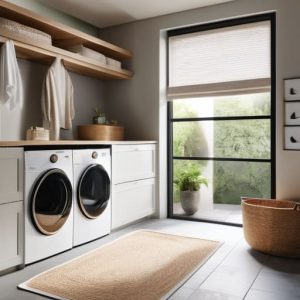

I was mid-way through restoring an old hand plane last weekend when it hit me—that stale, heavy scent that seems to cling to the corners of a house no matter how much you scrub. I looked at the array of expensive, neon-colored air fresheners sitting on my counter and felt a wave of genuine frustration. Most people think the answer is to layer more chemicals on top of the problem, but that’s just masking the symptoms. If you want to know how to get rid of household odors for good, you have to stop treating your home like a giant scented candle and start treating it like a system that needs resetting.
I’m not here to sell you on some boutique essential oil blend or a high-tech gadget that promises the moon. My approach is much more grounded in my engineering background: we’re going to identify the source, address the airflow, and implement low-friction habits that actually stick. I’m going to show you how to strip away the olfactory clutter so your living space finally feels as clean and clear as it was meant to be.
Table of Contents
Eliminate Kitchen Smells Without Adding More Clutter
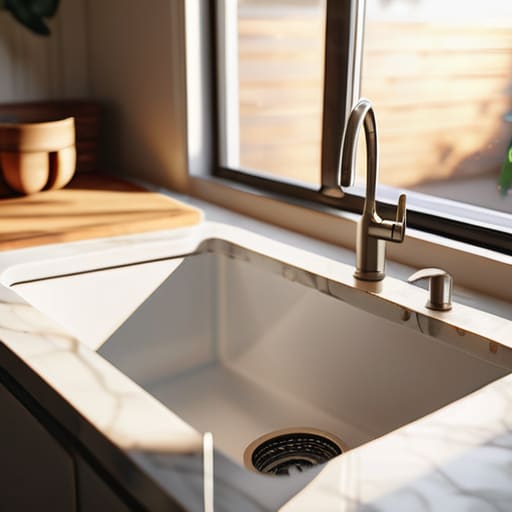
The kitchen is the heart of the home, but it’s also the primary source of most olfactory friction. Most people make the mistake of buying a dozen different scented sprays that just layer perfume over last night’s garlic sauté. That’s not a solution; it’s just masking the problem. To truly eliminate kitchen smells, you need to look at the source. I’ve found that a simple, high-frequency habit of wiping down the sink and clearing the trash nightly does more than any expensive gadget ever could.
If you want a more proactive system, skip the chemical aerosols and try a natural air freshener DIY approach. I keep a small, wide-mouth glass jar filled with activated charcoal or even just baking soda tucked behind my spice rack. It acts as a passive, clutter-free way to pull moisture and scent out of the air. It’s a low-maintenance system that works in the background so you don’t have to constantly manage it. Keep the counters clear, keep the drains clean, and the air will take care of itself.
Neutralize Pet Odors Using Systems That Actually Work
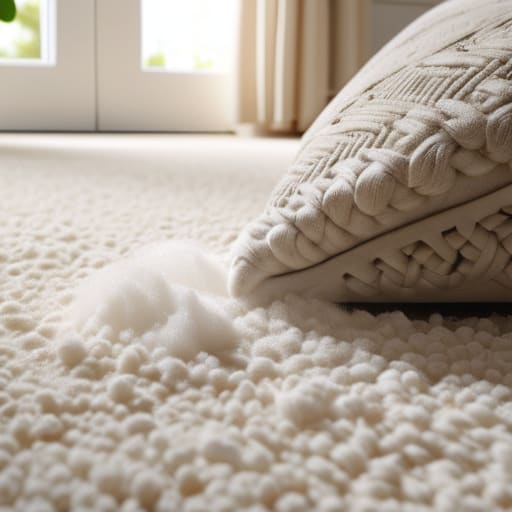
If you have pets, you know the struggle: you clean the floor, but the “dog smell” still lingers in the air. The mistake most people make is trying to mask it with heavy, synthetic sprays that just create a nauseating layer of perfume over the funk. Instead, you need to neutralize pet odors at the source. Start with your soft surfaces. I’ve found that the most effective way to how to deodorize carpets without a professional crew is a simple, heavy application of baking soda. Let it sit for at least an hour—don’t rush the process—then vacuum it up. It pulls the moisture and the scent out of the fibers rather than just sitting on top of them.
Beyond the carpets, look at your ventilation. If your pet spends most of their time in one specific area, that’s where the scent is trapped. Instead of buying expensive, complicated gadgets, I suggest setting up a few best odor absorbers for home in discreet spots, like near their bedding or behind the sofa. A simple bowl of activated charcoal or even a small, strategic air purifier can do more for your air quality than any scented candle ever will. Keep it functional, keep it simple, and let the air do its job.
Stop Masking the Problem: Three Systems to Reset Your Air
- Audit your soft surfaces. Fabric is a massive odor sponge; your curtains, rugs, and even the sofa cushions trap smells that air purifiers can’t touch. Instead of buying a heavy-duty scented spray, set a recurring monthly task to vacuum these areas with a HEPA filter and toss your throw blankets in the wash. It’s a simple maintenance loop that prevents the buildup before it becomes a problem.
- Optimize your airflow. If a room feels stale, you don’t need an expensive plug-in diffuser; you need a cross-breeze. I always look at the physics of the room first. Open two windows on opposite sides of the house to create a pressure differential that actually moves the stagnant air out. If you can’t open windows, check your HVAC filters—if they’re clogged with dust, you’re just recirculating the very smells you’re trying to kill.
- Use passive absorption, not active scenting. I’m a big believer in using materials that do the work for you. Keep a small, unobtrusive bowl of activated charcoal or even plain baking soda in the back of your pantry or near the laundry area. These aren’t “products” you have to manage; they are passive components of your home’s system that pull moisture and odor molecules out of the air without adding a layer of artificial perfume to the mix.
The Bottom Line
Stop chasing symptoms with scented sprays; identify the source, fix the airflow, and clear the clutter to actually solve the problem.
Build maintenance habits into your existing routine so odors never have a chance to settle in the first place.
## The Core Philosophy of a Clean Home
“A home that smells bad isn’t a failure of your cleaning products; it’s a failure of your systems. Stop trying to mask the scent with more chemicals and start looking for the friction points where the air isn’t moving or the source hasn’t been addressed. You don’t need a stronger spray; you need a better process.”
Gregory Scott Miller
Resetting Your Space
At the end of the day, getting rid of odors isn’t about finding a magic scented candle or a high-tech air purifier that collects dust on your counter. It’s about the fundamentals: managing your kitchen waste, addressing pet hygiene at the source, and ensuring your home has proper airflow. If you focus on these core systems—cleaning the drains, managing the laundry, and clearing out the clutter where smells hide—you won’t have to fight a losing battle against your environment every single week. It’s about fixing the cause, not just masking the symptom.
Your home should be a place where you can actually breathe, not a source of constant, subtle distraction. When you strip away the friction of a smelly house, you reclaim a piece of your mental clarity. Don’t let small, preventable issues clutter your headspace. Implement these simple, functional systems today, and let your environment finally start working for you instead of against you. You’ve got this.