
I remember sitting in my workshop last month, surrounded by half-restored hand planes and a mountain of tangled charging cables, realizing I had fallen into the exact trap I warn my clients about. I had bought a “smart” lighting system that required three different apps just to dim the lights for a movie, and frankly, it was a waste of my time. Most people approach the question of how to choose tech for your home by looking at spec sheets and flashy marketing, but they forget the most important metric: friction. If a device adds a new step to your routine instead of removing one, it isn’t an upgrade; it’s just more digital clutter.
I’m not here to sell you on the latest ecosystem or the most expensive gadget on the shelf. Instead, I want to show you how to apply a bit of systems engineering to your living space so your tools actually serve you. I’ll walk you through a practical framework for how to choose tech for your home that prioritizes reliability and simplicity over hype. My goal is to help you build a streamlined environment where the technology stays in the background, leaving you with more mental space for the things that actually matter.
Table of Contents
Prioritizing Smart Home Ecosystem Compatibility Over Shiny New Toys
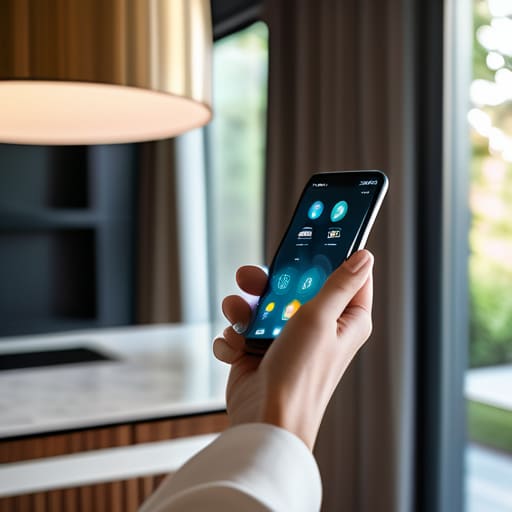
I’ve seen it happen more times than I care to count: someone buys a high-end smart lock, a fancy motorized blind system, and a state-of-the-art thermostat, only to realize none of them talk to each other. You end up with five different apps on your phone just to manage your living room. That isn’t automation; that’s just digital clutter. Before you pull the trigger on any new purchase, you need to focus on smart home ecosystem compatibility. Whether you lean toward Apple, Google, or Amazon, pick a lane and stick to it.
If your devices don’t play nice together, you aren’t building a system; you’re just collecting expensive paperweights. I always tell my clients to look at the integration potential first. Ask yourself: “Can this device trigger my existing lights?” or “Will this work with my current hub?” Prioritizing a unified framework saves you from the headache of constant troubleshooting and ensures that your tech actually works to reduce friction rather than adding to it.
Integrating Smart Devices With Existing Tech to Strip Away Friction
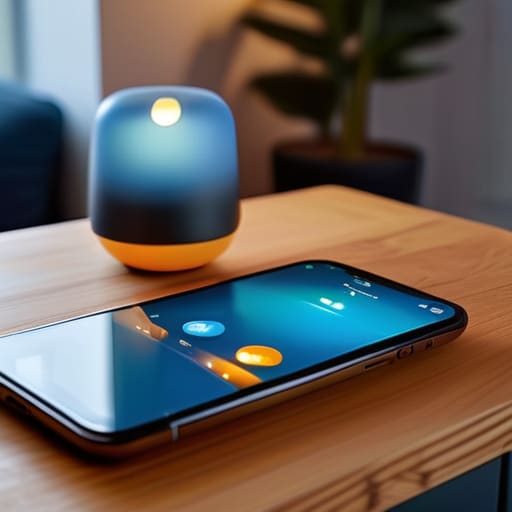
The biggest mistake I see people make is treating new gadgets like isolated islands. They buy a smart lightbulb here and a fancy thermostat there, only to realize three weeks later that nothing talks to each other. If you want to actually reduce mental load, you have to focus on integrating smart devices with existing tech rather than just stacking new hardware on top of old problems. I always tell my clients: if a device requires you to open five different apps just to turn off the lights, it’s not a tool; it’s a chore.
Before you pull the trigger on anything, look at what you already own. Whether it’s your smartphone, your voice assistant, or even your router, your new tech needs to play nice with the current infrastructure. I’m a big believer in improving home connectivity and Wi-Fi first; there’s no point in buying high-end automation if your signal drops every time the microwave runs. Build a foundation that supports your devices, so the technology stays in the background where it belongs.
Three Rules for Keeping Your Tech Intentional
- Audit the “Friction Factor” before you buy. I always ask myself: “Does this device solve a recurring headache, or am I just adding another app to my phone?” If a new smart lightbulb requires a fifteen-minute setup and a dedicated hub just to turn on, it’s not a tool—it’s a chore. If it doesn’t automate a task or save you actual mental bandwidth, leave it on the shelf.
- Stick to the “One-Interface Rule.” One of the biggest mistakes I see people make is creating a home where the lights are in one app, the thermostat is in another, and the security is in a third. That’s not a smart home; that’s a digital junk drawer. Aim for tech that plays well with a single central controller or voice assistant so you aren’t hunting through your phone while your hands are full.
- Prioritize durability and local control over cloud-dependency. I’ve seen too many “smart” gadgets become expensive paperweights the moment a company’s servers go down or they stop supporting an old model. Look for devices that work reliably on your local network. You want systems that function even if the internet decides to take a nap, ensuring your home remains a sanctuary, not a hostage to a software update.
The Bottom Line
Before you hit “buy” on that new gadget, ask yourself if it solves a real friction point in your daily routine or if it’s just another thing you’ll have to troubleshoot in six months.
Build your tech around a single, cohesive ecosystem rather than a collection of isolated apps; if your devices can’t talk to each other, they aren’t working for you—you’re working for them.
## The Golden Rule of Home Tech
“If a piece of technology requires more time to manage than the problem it’s supposed to solve, it isn’t a tool—it’s clutter. Stop looking for the smartest device on the market and start looking for the one that actually disappears into your routine.”
Gregory Scott Miller
The Bottom Line
At the end of the day, building a smart home isn’t about amassing a collection of impressive gadgets; it’s about intentionality. We’ve talked about why you need to prioritize ecosystem compatibility and how to integrate new tools without creating more digital noise. If a device doesn’t talk to your existing setup or solve a specific, recurring problem, it’s just expensive clutter waiting to happen. Stick to the plan: choose tools that work together, focus on reducing friction, and always ask yourself if a piece of tech is actually serving your lifestyle or just demanding your attention.
My advice is to move slowly. You don’t need to automate your entire house by next weekend. Start with one small system that gives you back five minutes of peace or removes a daily headache, and build from there. Remember, the goal isn’t to live in a sci-fi movie; it’s to create an environment that supports your real life. When you get this right, the technology should become invisible, leaving you with more time to focus on the things that actually matter.