
I spent most of my corporate years watching people sink thousands of dollars into “productivity ecosystems” that were nothing more than glorified piles of expensive plastic. Most of the home office setup ideas you see trending online are designed to sell you a lifestyle, not a system. They want you to believe that a $900 ergonomic chair or a triple-monitor array is the magic bullet for your focus, but they’re ignoring the actual friction—the tangled cables, the poorly placed lighting, and the mental clutter that kills your momentum before you even open your laptop.
I’m not here to sell you on a gadget-heavy fantasy. My goal is to help you build a workspace that actually serves you by applying the same principles I use to optimize logistics chains: simplicity, flow, and reliability. I’m going to walk you through some practical, low-friction ways to organize your space so you can stop fighting your environment and start focusing on the work that actually matters.
Table of Contents
Eliminating Friction With Ergonomic Desk Chair Recommendations
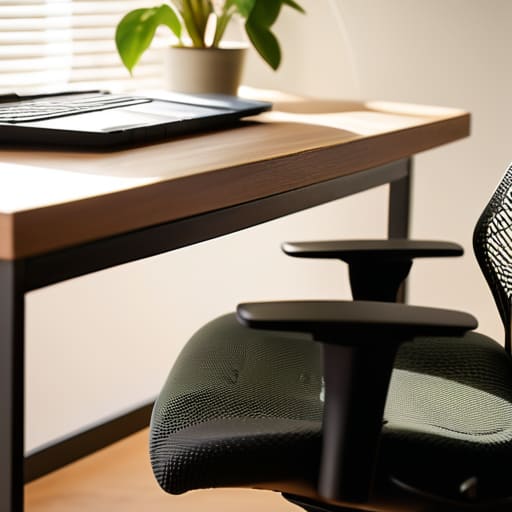
Most people treat a chair like an afterthought—just something to sit on while they grind through emails. But if you’re sitting in a dining room chair or a cheap task seat for eight hours a day, you aren’t just uncomfortable; you’re creating physical friction that drains your mental energy. When your lower back starts aching, your focus vanishes. My advice? Stop looking for the flashiest gaming chair and start looking for actual structural support.
When I look at ergonomic desk chair recommendations, I ignore the marketing fluff and focus on three things: adjustable lumbar support, seat depth, and armrest flexibility. You need a chair that moves with you, not one that forces you into a rigid, unnatural posture. A solid chair is the foundation of any functional system; it’s the one piece of equipment that pays for itself in reduced fatigue and long-term health. If you can’t adjust the height to keep your feet flat on the floor, get rid of it.
Small Space Office Organization Without the Clutter
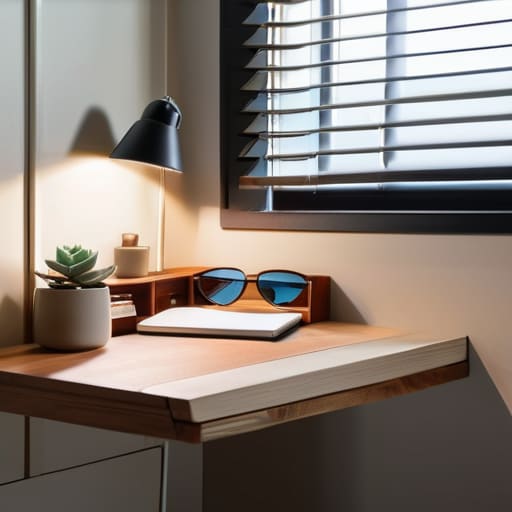
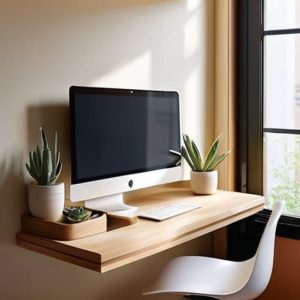
If you’re working out of a corner of the bedroom or a repurposed nook, you don’t have the luxury of wasted square footage. In my experience, the biggest mistake people make is trying to fit a full-sized corporate setup into a tiny footprint. Instead, lean into small space office organization by thinking vertically. I’ve found that mounting a floating shelf above the desk or using a pegboard on the wall keeps your essential tools within reach without eating up your precious desktop real estate.
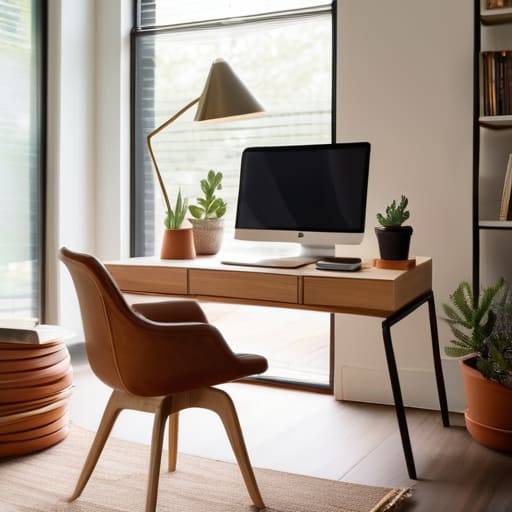
The goal isn’t to have a desk full of organizers; it’s to have nothing on the desk that doesn’t need to be there. Stick to minimalist desk decor—maybe one small plant or a single high-quality lamp—and keep everything else tucked away. When you clear the visual noise, you clear the mental noise. If your surface is clean, your mind stays focused on the task at hand rather than the pile of cables and stray pens staring you in the face.
Optimize Your Digital and Physical Input
- Master your cable management before you even plug anything in. I’ve seen too many great setups ruined by a “spaghetti mess” under the desk that makes cleaning a nightmare and creates visual noise. Use simple Velcro ties or even just basic clips to route your cords along the legs of your desk. If you can’t see the clutter, your brain doesn’t have to process it.
- Control your lighting to prevent eye strain and mental fatigue. You don’t need a professional studio setup; you just need layers. Aim for a mix of natural light from a side window—never directly in front or behind you—and a dedicated task lamp with a warm temperature for late afternoon sessions. It’s about creating a steady environment that tells your brain it’s time to focus.
- Curate your desktop real estate. My rule of thumb is that if you haven’t touched a physical object on your desk in the last 48 hours, it shouldn’t be there. Keep only the essentials: your computer, your notebook, and your pen. Everything else—the extra pens, the random mail, the half-empty water bottles—is just friction waiting to slow you down.
The Bottom Line
Stop chasing the latest tech trends and focus on the fundamentals—a comfortable chair and a clear surface are worth more than any expensive gadget.
Build your setup around your actual workflow, not an idealized version of it; if a system adds more friction than it removes, scrap it and simplify.
The Core Philosophy
Your home office shouldn’t be a collection of expensive gear; it should be a finely tuned system that removes the mental drag between you and your best work.
Gregory Scott Miller
The Bottom Line
At the end of the day, a productive home office isn’t about having the most expensive gear or the most complex tech stack. It’s about the fundamentals we’ve discussed: finding a chair that supports your body, managing your physical space to prevent mental fog, and stripping away the distractions that pull you off course. When you focus on ergonomics and organization, you aren’t just decorating a room; you are building a system that protects your focus and your energy.
Don’t feel like you have to overhaul everything by Monday morning. Systems engineering taught me that the best improvements often come from small, incremental shifts that actually stick. Start with one change—clear that one messy drawer or adjust your monitor height—and see how it feels. Your goal isn’t perfection; it’s to create a space where you can finally stop fighting your environment and start doing your best work. You’ve got this.