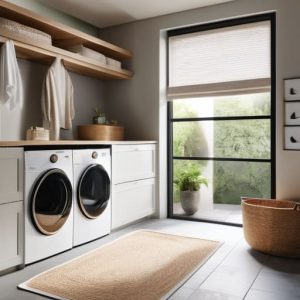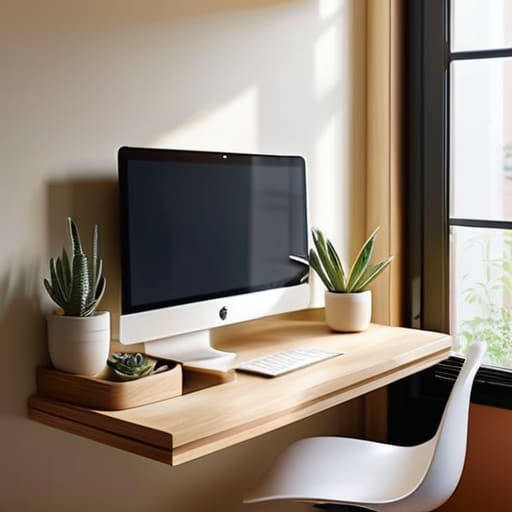

Stop wasting your money on those aesthetic, clear acrylic bins you see all over social media. Most of those “solutions” are just expensive ways to hide your clutter until it inevitably spills back out onto your counters. I spent years in logistics seeing how bad systems fail, and I see the same mistake happening in homes every day: people try to solve small space organization by adding more stuff instead of fixing the flow. You don’t need a boutique organizational kit; you need a layout that actually respects the way you move through a room.
I’m not here to sell you a lifestyle or a complicated 12-step morning routine. My goal is to give you a few practical, battle-tested systems that strip away the friction of living in a tight footprint. We’re going to look at how to optimize your square footage using logic, not more gadgets, so your home finally starts serving you instead of becoming another project on your to-do list.
Table of Contents
Mastering Vertical Storage Solutions to Reclaim Your Walls
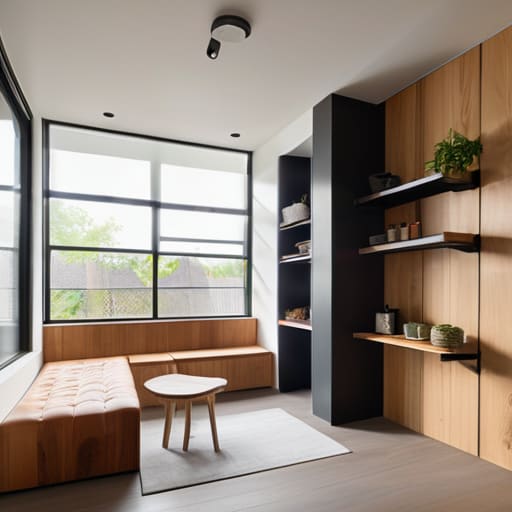
When you’re working with limited square footage, your floor is your most precious resource—stop wasting it. Most people make the mistake of thinking they need more floor space when, in reality, they just haven’t looked up. I’ve found that implementing effective vertical storage solutions is the fastest way to stop that feeling of being boxed in. Instead of letting your supplies or decor pile up on every available surface, get them off the ground and onto the walls.
I’m a big believer in using heavy-duty shelving or even pegboards to create a dedicated zone for whatever you’re managing. If you’re tackling the kitchen, don’t just shove everything into the depths of your cupboards; look into magnetic strips or hanging racks for organizing small kitchen cabinets more efficiently. The goal isn’t just to hide things away, but to create a functional flow where everything you need is within arm’s reach but stays out of your visual field. If it doesn’t have a specific home on the wall, it’s just clutter waiting to happen.
Multipurpose Furniture Ideas That Actually Cut the Friction
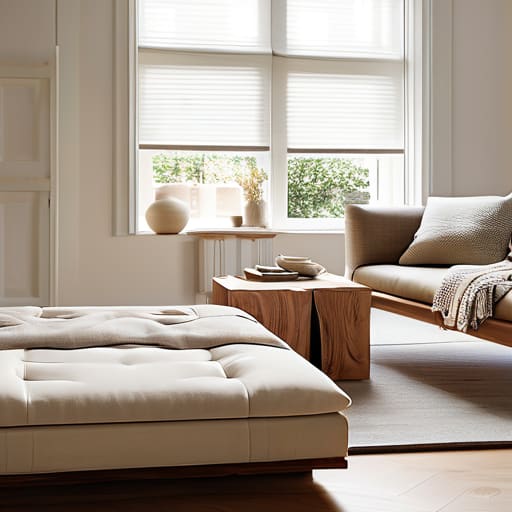
The mistake I see most often is treating every piece of furniture as a single-use tool. If a coffee table only holds a coaster, it’s wasting potential. I’m a big believer in looking for pieces that pull double duty. Think about an ottoman that doubles as a storage chest or a dining table that can fold down into a console when you aren’t eating. These multipurpose furniture ideas aren’t about being fancy; they are about reducing the sheer number of objects competing for your floor space.
When you’re working with limited square footage, you have to think about the “hidden” zones. I’ve found that the most effective way to handle seasonal items or clutter is to look at the gaps we usually ignore. Implementing under bed storage hacks—like using low-profile, rolling bins—can keep your visual field clear while keeping your essentials accessible. It’s not about adding more stuff to manage; it’s about choosing items that work harder so you don’t have to.
The Low-Friction Rules for Living Small
- Audit your “touch points” before buying anything new. I spent years in logistics looking at flow, and your home is no different. If you find yourself constantly moving a pile of mail from the kitchen counter to the dining table just to clear space, don’t buy a bigger table—build a dedicated, single-step landing zone near the door. If a system requires more than two steps to maintain, you won’t do it, and the clutter will win.
- Stop treating every square inch like it’s prime real estate. We tend to spread our belongings out across every available surface, which creates visual noise and mental fatigue. Group your items into functional “zones.” Your coffee supplies should live in one tight cluster; your tech cables in another. When things have a specific, logical home, you stop hunting for them and start reclaiming your time.
- Apply the “One-In, One-Out” rule with actual discipline. In a small space, your inventory is a zero-sum game. If you bring a new piece of gear or a new kitchen gadget into the house, something else has to leave. This isn’t about deprivation; it’s about maintaining a steady state. It forces you to ask if that new item is actually worth the permanent loss of space it’s about to occupy.
The Bottom Line on Small Space Systems
Stop treating your floor plan like a static box; if you aren’t using your walls and the undersides of your furniture, you’re leaving valuable square footage on the table.
Prioritize function over aesthetics when choosing pieces—if a piece of furniture doesn’t solve a specific friction point in your daily routine, it’s just more clutter in disguise.
The Core Philosophy
“Stop trying to fit your life into a box; instead, design a system where your belongings actually have a place to go so they stop getting in your way.”
Gregory Scott Miller
The System is the Solution
At the end of the day, organizing a small space isn’t about finding the perfect aesthetic bin or a trendy shelving unit. It’s about the logic of your movement. We’ve looked at how maximizing your vertical real estate and choosing furniture that pulls double duty can fundamentally change how you interact with your home. When you stop fighting your floor plan and start designing for your actual habits, the friction begins to evaporate. Remember, the goal isn’t to create a showroom; it’s to build a functional ecosystem that supports your life rather than complicating it.
Don’t feel like you have to overhaul your entire living situation by tomorrow morning. Systems are built through iteration, not overnight miracles. Start with one corner, one drawer, or one wall, and see how the change affects your daily flow. Once you realize that your environment can actually work for you, you won’t want to go back to the chaos. Take that notebook out, map out your next small win, and reclaim your space one intentional step at a time.