
We’ve all been there: it’s two weeks before a birthday or a holiday, and you’re staring at a screen, scrolling through endless pages of mass-produced junk that feels completely hollow. Most people fall into the trap of overcomplicating things, thinking they need a massive budget or a specialized studio to make something meaningful. But the truth is, the best diy gift ideas aren’t about how much time you sink into a complex craft; they are about reducing the friction between your thoughtfulness and the person receiving the gift.
I’m not here to suggest you spend your entire weekend glue-gunning glitter or following a twenty-step tutorial that leaves your house in a state of chaos. Instead, I want to show you how to apply a little systems thinking to your generosity. I’ve narrowed this down to three specific, high-impact projects that are functional, intentional, and efficient. By the end of this, you’ll have the blueprint to create gifts that actually cut through the noise and leave a lasting impression without wasting your precious mental space.
Table of Contents
The Custom Tool Roll
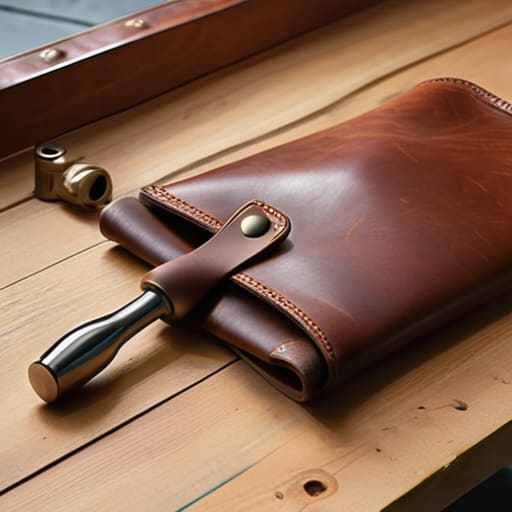
Most people think a meaningful gift has to be expensive, but I’ve found that the most appreciated items are often the ones that solve a small, daily friction point. If you have a friend who tinkers, crafts, or even just loves a good kitchen knife, a handmade leather or heavy canvas tool roll is a game changer. It’s about providing order in the chaos. Instead of letting tools rattle around in a junk drawer, you’re giving them a dedicated system to keep their most important gear organized and protected.
Hand-Mixed Essential Oil Blends

We spend so much of our lives rushing from one task to the next that we completely neglect our sensory environment. I’ve realized that a well-curated scent can actually act as a system reset for your brain. Instead of buying those mass-produced, synthetic candles that fill a room with chemical nonsense, try crafting a few bespoke essential oil blends in amber glass roller bottles. It’s a simple way to gift someone a moment of intentionality in their hectic schedule.
The Minimalist Wood Serving Board
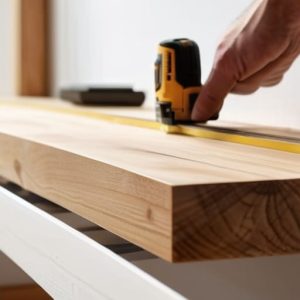
When I’m working in my shop, I’m always looking for ways to turn raw materials into something that serves a clear purpose. A simple, thick-cut end grain serving board is a perfect example of form meeting function. You aren’t just making a piece of wood; you’re creating a centerpiece for shared meals and conversation. Avoid the overly ornate carvings that just collect dust and grime; instead, focus on clean lines and a flawless, food-safe finish.
The Bottom Line
Focus on utility over complexity; a gift that solves a problem or fills a gap in someone’s daily life will always outlast a cluttered trinket.
Don’t let perfectionism stall your progress—the value is in the intentionality of the gesture, not the flawless finish of the product.
The Philosophy of Giving
“A great gift isn’t about the complexity of the build or the cost of the materials; it’s about the intentionality behind it. When you strip away the commercial noise and create something with your own hands, you’re giving someone something far more valuable than a product: you’re giving them your time and a piece of your focus.”
Gregory Scott Miller
The Bottom Line
At the end of the day, these projects aren’t about achieving perfection or showing off a professional-grade skill set. Whether you’re crafting a custom wooden organizer, a curated wellness kit, or a personalized leather notebook cover, the goal is to remove the friction of generic consumerism. By focusing on high-quality materials and thoughtful utility, you’re creating something that actually integrates into the recipient’s daily life. We’ve moved past the era of clutter; now, it’s about providing intentional value through items that serve a real purpose.
Don’t let the fear of a messy workshop or a failed first attempt stop you from starting. The most important part of any DIY project isn’t the final product itself, but the deliberate effort you put into considering what someone truly needs. When you stop buying things just to fill space and start building things to solve problems, you change your relationship with the objects around you. Go ahead, grab your tools, and build something meaningful that lasts longer than a seasonal trend.