

I’m tired of seeing people spend hundreds of dollars on “smart” mattresses and complex sleep-tracking gadgets that only serve to increase your anxiety. Honestly, most of these high-tech solutions are just more friction in a system that’s already broken. If you’re looking for a magic pill or a $2,000 piece of foam to figure out how to sleep better, you’re looking in the wrong direction. Real rest isn’t about adding more complexity; it’s about stripping away the distractions that keep your brain in high-gear when the lights go out.
I’m not here to sell you a subscription to a meditation app or a specialized pillow. Instead, I want to share the practical, systems-based approach I used to fix my own wrecked sleep schedule after years of corporate logistics madness. I’m going to show you how to audit your environment and simplify your routine so your bedroom actually does its job. We’re going to focus on low-tech, high-impact changes that actually work in the real world.
Table of Contents
Optimizing Bedroom Environment to Support Natural Circadian Rhythm Regulati
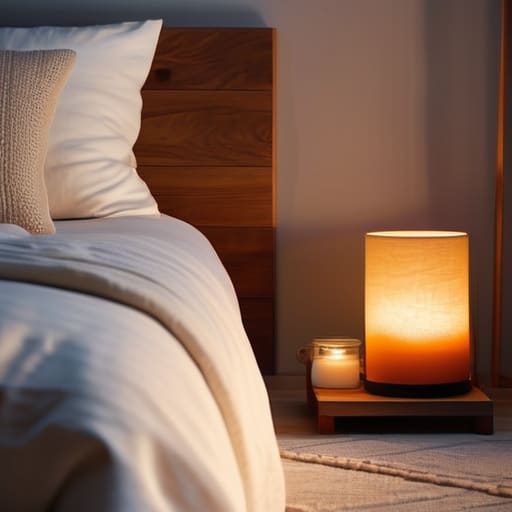
Most people treat their bedroom like a second living room, but if you want to actually rest, you need to stop treating it like a multipurpose space. Your brain needs clear signals that the workday is over. This starts with optimizing your bedroom environment to mimic the natural descent of the sun. I’ve found that the simplest way to kickstart circadian rhythm regulation is to aggressively manage your light exposure. Swap out those harsh, cool-toned overhead bulbs for warm, dimmable lamps. It’s a small shift, but it signals to your biology that it’s time to wind down rather than stay wired.
Beyond the lighting, you have to address the sensory friction. If your room is too warm or cluttered with half-finished projects, your brain stays in “active mode.” I always tell my clients to focus on reducing sleep latency by keeping the temperature cool and the surfaces clear. When you strip away the visual and thermal noise, you aren’t just cleaning a room; you’re building a dedicated system for recovery.
Reducing Sleep Latency Through Better Sleep Hygiene Practices

Most people treat sleep like a light switch—you just flip it and expect instant darkness. But after years of managing complex logistics, I’ve learned that you can’t force a system to start instantly if the transition period is chaotic. If you’re lying there staring at the ceiling for forty minutes, you aren’t failing at sleeping; you’re just failing at the transition. To focus on reducing sleep latency, you have to treat the hour before bed as a buffer zone, not an extension of your workday.
This is where consistent sleep hygiene practices actually move the needle. It’s not about buying a fancy weighted blanket; it’s about lowering the cognitive load. I make it a point to ditch the screens and the blue light at least thirty minutes before I hit the pillow. This isn’t just some wellness trend; it’s about protecting your body’s internal chemistry. By dimming the lights and slowing down, you’re essentially signaling to your brain that the day is officially over, making it much easier to slide into rest without the mental friction.
Three Low-Friction Shifts for Better Rest
- Stop treating your phone like a nightstand accessory. The blue light is one thing, but the mental “open loops” from emails and news feeds are what actually keep your brain revved up. Designate a charging station outside the bedroom; if you need an alarm, buy a simple, analog clock. Keep the tech out of the sanctuary.
- Audit your evening “transition period.” You wouldn’t expect a machine to go from full throttle to zero instantly, so don’t expect it of your brain. Build a 20-minute buffer where you do something low-stimulation—reading a physical book or just prepping your gear for tomorrow. It’s about signaling to your nervous system that the workday is officially over.
- Simplify your sleep setup to remove decision fatigue. If you’re constantly adjusting pillows or fighting with heavy, mismatched blankets, you’re creating friction. Invest in a few high-quality, functional pieces that work every single night. The goal is a bedroom that requires zero mental energy to inhabit.
The Bottom Line
Stop looking for a magic pill or a high-tech gadget; focus on stripping away the friction in your environment so your body can actually do its job.
Build systems, not willpower—clear the clutter, dim the lights, and set your space up to support rest before you even step into the bedroom.
## The Systemic Approach to Rest
“Stop treating sleep like a luxury you have to chase down; treat it like a system you design. If your environment is working against you, no amount of willpower is going to fix your exhaustion.”
Gregory Scott Miller
Stop Overthinking It and Start Resting
Look, we’ve covered a lot of ground here, from fine-tuning your lighting to stripping the clutter out of your immediate surroundings. The takeaway is simple: sleep isn’t something you can force through sheer willpower; it’s something you facilitate by removing the obstacles in your way. Whether it’s optimizing your room temperature or setting a hard boundary on screen time, the goal is to create a system that works with your biology rather than against it. Don’t try to overhaul every single habit overnight. Just pick one friction point—maybe that messy nightstand or your late-night scrolling habit—and fix it.
At the end of the day, these aren’t just “lifestyle hacks.” They are essential adjustments to help you reclaim your most valuable asset: your energy. You don’t need a $5,000 smart mattress or a complex ten-step meditation ritual to see results. You just need to simplify the process. Build a space that serves your rest, and let the rest take care of itself. Now, put the phone down, clear your head, and go get some real sleep.