

I’ve seen enough “productivity gurus” try to sell you a $50 leather-bound planner or a complex digital ecosystem to justify a three-hour morning ritual. It’s nonsense. Most of that stuff is just more friction disguised as progress, and frankly, it’s a waste of your time. I spent years in corporate logistics seeing how systems fail when they get too bloated, and I see the same mistake happening with journaling for productivity. You don’t need a ritual; you need a release valve for your brain.
I’m not here to give you a list of deep, philosophical prompts that leave you staring blankly at a page. Instead, I’m going to show you how I use a simple notebook and a tactical pen to strip away the mental noise and get back to work. I’ll share the low-friction methods I actually use to clear my head, so you can stop managing your tools and start reclaiming your focus.
Table of Contents
Morning Pages for Focus Stripping Away the Mental Friction

I’ve always found that the biggest obstacle to a productive day isn’t a lack of time; it’s the sheer volume of mental noise we carry from the moment we wake up. Most people try to jump straight into their inbox, which is a recipe for disaster. Instead, I use morning pages for focus to dump that internal clutter onto paper before the world starts making demands. It’s not about writing a masterpiece or even being particularly coherent; it’s about a raw brain dump that clears the deck so you can actually think.
When I sit down with my notebook and tactical pen, I’m not looking for profound insights. I’m looking to offload the “open loops”—those nagging thoughts about unfinished tasks or minor anxieties that eat up cognitive bandwidth. By utilizing these reflective journaling techniques, you essentially perform a system reset. You strip away the friction of indecision, leaving you with a clear, calm headspace to tackle your actual priorities rather than just reacting to whatever is loudest.
Reflective Journaling Techniques to Simplify Your Daily Grind
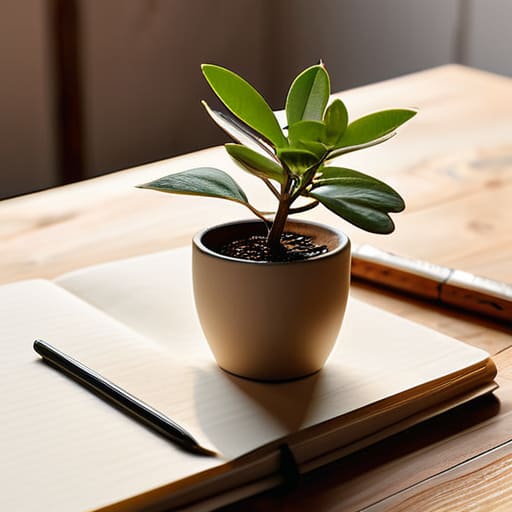
Once you’ve cleared the initial mental fog with your morning pages, it’s time to pivot from venting to actual execution. I don’t believe in complex planners that require a degree to navigate; I prefer reflective journaling techniques that bridge the gap between how you feel and what you actually need to do. At the end of each day, I spend five minutes looking back at my wins and my bottlenecks. It’s not about self-indulgence; it’s about identifying where the friction occurred so I can adjust my systems for tomorrow.
If you’re feeling overwhelmed by a mounting to-do list, try integrating a simple time blocking journal method into your evening review. Instead of just listing tasks, map out roughly when they will happen. This forces you to confront the reality of your schedule rather than the fantasy of it. By writing these blocks down, you move from a state of reactive chaos to a more intentional, controlled workflow that actually respects your time.
Three Low-Friction Ways to Make Journaling Actually Work
- Keep your tools within arm’s reach. If I have to hunt for a pen or clear a space on my desk just to write down a thought, the system has already failed. Keep a small notebook and a decent pen right where you work; if the friction to start is zero, you’ll actually do it.
- Stop aiming for prose and start aiming for clarity. You aren’t writing a memoir; you’re conducting an audit of your own brain. Use bullet points, shorthand, or quick sketches. If a sentence takes more than ten seconds to construct, you’re overthinking it.
- Use a “Shutdown Ritual” to close the loop. At the end of your workday, spend three minutes writing down exactly where you left off and the top priority for tomorrow. It clears the mental cache so you aren’t processing work problems while you’re trying to relax in the evening.
The Bottom Line: Systems Over Sentiment
Forget about writing a masterpiece; the goal of journaling isn’t self-expression, it’s mental offloading to reduce the friction in your daily operations.
Keep your tools simple—a decent notebook and a pen—so the barrier to starting is as low as possible.
The Systemic Value of a Blank Page
“A journal isn’t a diary for your feelings; it’s a diagnostic tool for your life. If you can’t get the chaos out of your head and onto paper, you’ll never have the clarity to build a system that actually works.”
Gregory Scott Miller
Build the System, Reclaim Your Time
At the end of the day, journaling isn’t about writing a masterpiece or keeping a perfect diary; it’s about systematizing your mental clarity. Whether you’re using morning pages to dump the chaos or reflective prompts to audit your daily workflow, the goal remains the same: reducing friction. We’ve looked at how to strip away the noise and implement low-maintenance habits that actually stick. You don’t need a complex productivity suite or a digital overhaul to find your focus. You just need a way to externalize the clutter so your brain can stop looping on the same unfinished tasks.
Stop waiting for the perfect moment or the perfect notebook to start. Optimization isn’t a destination you reach; it’s a continuous process of refining your environment and your habits. Grab a pen, find a quiet corner, and start clearing the path. The more you invest in these simple, manual systems now, the more mental space you’ll have to focus on the things that truly drive your life forward. Keep it simple, keep it consistent, and let the system work for you.