
I was hunched over my workbench last Tuesday, trying to inspect the grain on a vintage hand plane I’d just pulled from a flea market, when I realized my workshop was practically useless. I had plenty of light, sure, but it was that harsh, clinical glare from a single overhead fixture that made my eyes ache and turned every delicate detail into a muddy shadow. Most people think they need a massive budget or a dozen complex smart-home scenes to fix this, but those generic home lighting tips you see on Pinterest—the ones pushing expensive, flashy gadgets—are usually just adding more friction to your life.
I’m not here to sell you on a high-tech ecosystem that requires a software update just to turn on a lamp. My goal is to help you build a functional system of light that actually serves your daily rhythm. I’m going to share the straightforward, pragmatic ways I’ve learned to layer light in my own home to eliminate eye strain and create actual atmosphere. We’re going to strip away the fluff and focus on simple, effective setups that work in the real world, so your space finally starts working for you.
Table of Contents
Mastering Layered Lighting Techniques to Strip Away the Friction
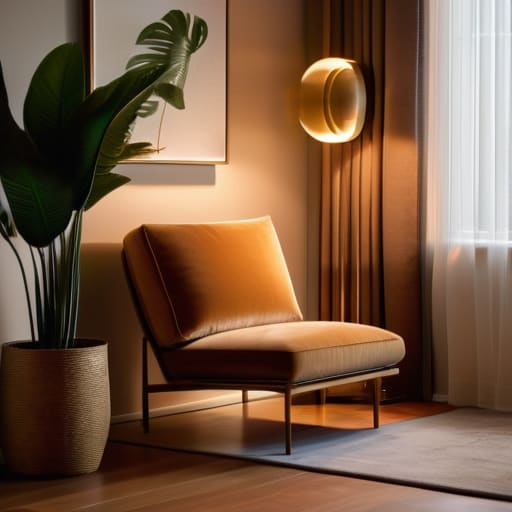
Most people make the mistake of relying on a single, aggressive overhead light that turns their living room into a sterile interrogation chamber. If you want to stop fighting your environment, you need to embrace layered lighting techniques. Instead of one giant source, think in three dimensions: ambient, task, and accent. Ambient light provides the base layer, while task lighting—like a well-placed lamp by your reading chair—actually serves a purpose. When you stop treating light as a binary “on or off” switch and start treating it as a system, the friction in your daily routine starts to vanish.
I’ve found that the real magic happens when you manage the transition between warm vs cool light temperatures. You don’t want clinical, blue-toned light in the evening when you’re trying to decompress. I always suggest installing a few quality dimmers; the dimmer switch benefits are massive for setting the mood without needing a complex smart-home routine. It’s about control and simplicity. If you can adjust the intensity to match your current task, your space finally starts working for you, rather than you working to accommodate the glare.
Beyond Bulbs Using Ambient vs Task Lighting for Real Results
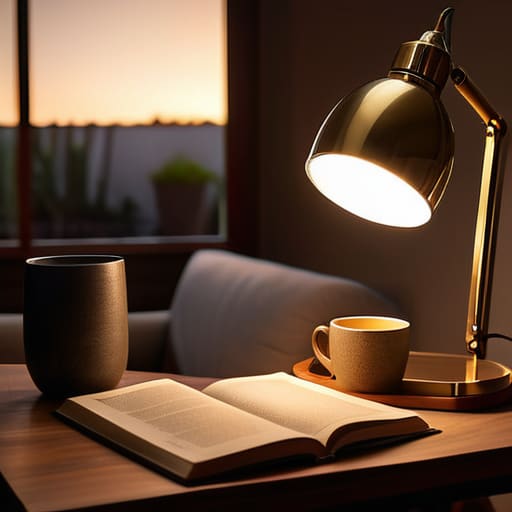
Most people make the mistake of trying to solve every lighting need with a single, powerful overhead fixture. It’s a blunt instrument approach that leaves your rooms feeling either like a sterile hospital wing or a dim cave. To actually make a space functional, you have to understand the distinction between ambient vs task lighting. Ambient light is your baseline—the soft, general glow that fills the room so you aren’t tripping over the dog. Task lighting, however, is surgical. It’s the dedicated lamp on your desk or the focused light over your kitchen island that actually allows you to do the work without straining your eyes.
If you want to stop fighting your environment, you need to stop treating all light as equal. I always tell my clients to pay attention to warm vs cool light temperatures depending on the room’s purpose. You want crisp, cooler tones in the office to keep your brain sharp, but for the living room, you should lean into warmer hues to signal your body it’s time to decompress. It isn’t about buying more gear; it’s about placing the right light exactly where the friction occurs.
Three Simple Moves to Stop Fighting Your Shadows
- Stop relying on the “big light.” That single, overhead fixture in the middle of the room is a productivity killer and a mood destroyer. It flattens everything and creates harsh shadows. Instead, kill the overhead and use small, localized light sources to define different zones in your room.
- Match your color temperature to the task, not just your aesthetic. I use cool, bright light in my workshop and home office to stay sharp, but I swap to warm, low-kelvin bulbs in the living area as soon as the workday ends. If your lights are too blue at 8:00 PM, you’re sabotaging your own ability to wind down.
- Automate the transitions, not just the bulbs. Don’t just buy smart bulbs; set up a system where the light levels shift automatically based on the time of day. You shouldn’t have to fiddle with an app every evening; your environment should transition from “work mode” to “rest mode” without you lifting a finger.
The Bottom Line: Less Friction, Better Light
Stop chasing the latest smart-bulb trends and focus on layering your light; a mix of ambient, task, and accent sources is what actually makes a room functional.
Design your lighting around your real-world movements, ensuring you have dedicated light exactly where you work or relax so you aren’t constantly fighting the shadows.
## The Core Philosophy
“Lighting isn’t about how much light you can cram into a room; it’s about how much friction you can remove from your daily life. A well-lit space shouldn’t demand your attention—it should quietly support whatever you’re trying to accomplish.”
Gregory Scott Miller
Stop Overthinking and Start Implementing
At the end of the day, lighting isn’t about following a design trend or buying every smart gadget on the market. It’s about creating a system that supports your actual life. We’ve talked about the necessity of layering your light, the distinction between ambient glow and focused task lighting, and the importance of removing the friction that comes with poor visibility. When you stop relying on a single, harsh overhead fixture and start strategically placing light where you actually move and work, the entire energy of your home shifts. It’s about functional simplicity, not complexity.
Don’t feel like you have to overhaul your entire house this weekend. Start small—maybe it’s just a single lamp on your desk or a warmer bulb in the hallway. The goal is to make your environment serve you, rather than forcing you to squint or strain through a poorly lit room. Once you build a system that works, you’ll realize that true productivity and peace start with the space around you. Now, grab that notebook, map out your zones, and get to work.