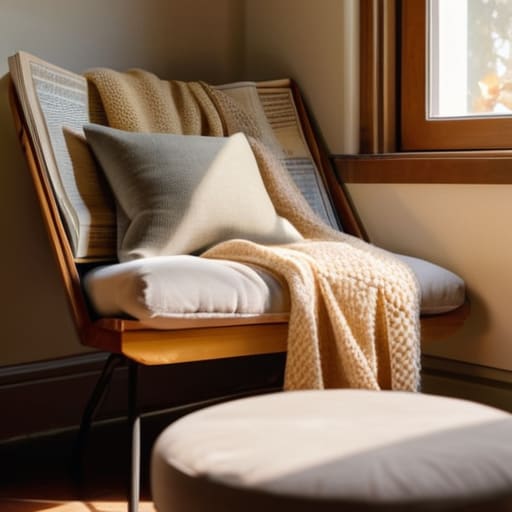

We spend most of our lives reacting to our surroundings, constantly adjusting to the noise, the clutter, and the endless digital pinging of a world that never shuts up. I’ve found that if you don’t intentionally carve out a space for stillness, your environment will eventually drain you dry. Finding effective cozy reading nook ideas isn’t about buying a bunch of overpriced velvet pillows or following a Pinterest trend; it’s about engineering a small, dedicated zone where the friction of daily life simply disappears.
In this post, I’m stripping away the fluff to give you three practical ways to build a sanctuary that actually serves you. We’re going to focus on the essentials—the things that turn a random corner of your house into a functional retreat. By the end, you’ll have a clear, system-based approach to creating a space where you can finally sit down, shut out the world, and actually focus on the page.
Table of Contents
Prioritize the ergonomics of comfort
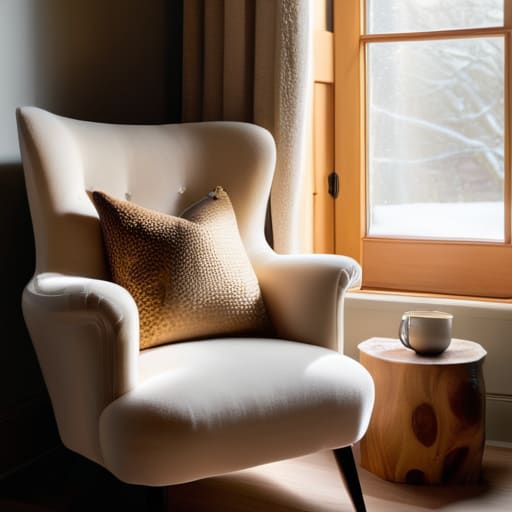
Most people think a reading nook is just about finding a pretty corner, but if your back is aching after twenty minutes, the system has failed. I’ve learned through years of optimizing workspaces that physical support is non-negotiable. Don’t just grab any old chair from the dining room; find something that actually supports your spine and allows you to settle in without tension. Whether it’s a sturdy armchair or a well-placed floor cushion, the goal is to eliminate the physical friction that pulls you out of the story.
Master your lighting layers

Lighting is where most DIY reading nooks fall apart. If you’re relying on a harsh overhead light, you’re doing it wrong; it’s too clinical and kills the mood instantly. I always recommend a dedicated task light—something like a classic pharmacy lamp or a dimmable floor lamp—that you can position exactly where the light hits the page. You want enough brightness to prevent eye strain, but not so much that you feel like you’re sitting under a spotlight in an interrogation room.
Build a low-maintenance ritual station
A reading nook shouldn’t require a massive amount of upkeep, or you’ll eventually stop using it. The key is to build a small, functional station that handles your immediate needs without cluttering the space. I’m a big believer in the “one-surface rule.” Find a small side table or even a sturdy wooden crate that can hold exactly three things: your current book, a coaster for your drink, and perhaps a small tray for your glasses or a pen.
The Bottom Line
Don’t get distracted by Pinterest-perfect aesthetics; focus on the ergonomics of comfort and the quality of your light.
A successful nook isn’t about how much stuff you put in a corner, but about how effectively that corner removes the friction from your reading time.
The Core Philosophy
A reading nook isn’t about buying a designer armchair or a high-tech lamp; it’s about carving out a small, intentional corner of the world where the friction of daily life finally stops.
Gregory Scott Miller
Getting It Done
At the end of the day, building a reading nook isn’t about buying a designer armchair or a high-tech lighting system. It’s about the fundamentals: finding a corner that offers actual privacy, securing a seat that supports your body, and ensuring you have enough light to see the page without straining. Whether you’re clearing out a corner of the guest room or just repurposing an old bench, the goal is to remove the friction between you and your book. If the setup is too complicated to maintain, you won’t use it. Keep it simple, keep it functional, and keep it focused on your comfort.
We spend so much of our lives reacting to the chaos around us, constantly putting out fires and managing endless to-do lists. Creating a dedicated space for stillness is one of the few ways we can actually reclaim our mental space. Don’t wait for the perfect house or the perfect budget to make this happen. Start with what you have, optimize the system, and let your environment finally start working for you. Now, go grab that book and get started.