
I was out in the garden last Saturday, trying to plane down an old oak workbench, when I realized I’d spent the last twenty minutes scrolling through a news feed instead of actually working. It’s a frustrating, hollow feeling—that realization that your attention has been hijacked by a piece of glass in your pocket. Most people think the answer to how to lower screen time is some complex digital detox retreat or a dozen expensive productivity apps, but that’s just more noise. The truth is, you aren’t lacking willpower; you’re just living in a system designed to fail you.
I’m not here to sell you on mindfulness apps or complicated-as-hell routines that fall apart by Tuesday. I want to talk about environmental design. I’m going to show you how to strip away the friction and rebuild your physical and digital space so that staying focused becomes the path of least resistance. We’re going to focus on practical, high-leverage shifts that actually work in the real world, helping you reclaim your time without making your life feel like a chore.
Table of Contents
Managing Social Media Usage Through Environmental Design

If you’re trying to break a loop of endless scrolling, stop relying on willpower. Willpower is a finite resource, and by 8:00 PM, it’s usually tapped out. Instead, focus on managing social media usage by changing how your phone physically interacts with your space. I started by moving my charging station out of the bedroom and into the hallway. If the device isn’t within arm’s reach when I’m lying in bed, the urge to check one last notification loses its power. It’s about creating physical friction between you and the distraction.
I also recommend a “visual purge” of your home. If your phone is the first thing you see when you sit on the couch, you’re going to grab it. Try designating “tech-free zones”—like the dining table or my woodworking bench—where devices simply aren’t allowed. By establishing these boundaries, you aren’t just fighting an addiction; you’re building better digital wellbeing habits that allow your brain to actually settle. You don’t need a complex app to do this; you just need to change your environment.
Building Digital Wellbeing Habits That Actually Stick
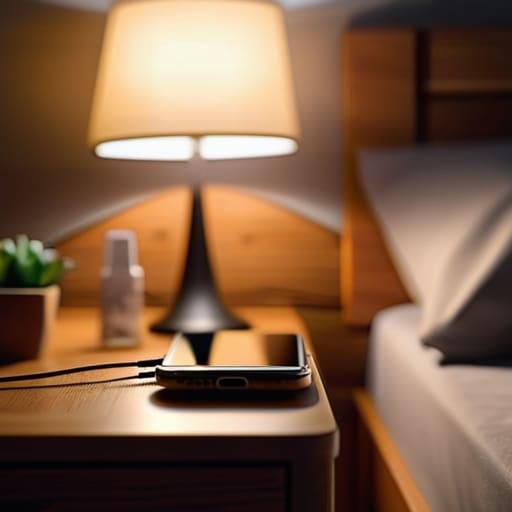
Most people approach this like a test of willpower, but willpower is a finite resource that fails the second you’re tired or stressed. If you want to build digital wellbeing habits that actually last, you have to stop relying on self-control and start relying on friction. I’ve found that the most effective way to change behavior is to make the “bad” habit harder to perform. If you find yourself doomscrolling late at night, don’t just tell yourself to stop; move your charger to the kitchen. By physically distancing yourself from the device, you break the automatic loop of reaching for it.
It’s also about intentionality rather than restriction. Instead of just setting screen time limits and feeling guilty when you hit them, try creating “analog zones” in your home. For me, that’s the dining table and my woodworking bench. These are no-phone territories. When you create these boundaries, you aren’t just cutting out technology; you’re making room for the things that actually provide a sense of accomplishment. It’s not about living in a cave—it’s about ensuring your tools serve your life, rather than your life serving your tools.
Three Low-Friction Tactics to Reclaim Your Focus
- Designate “Analog Zones” in your house. I’ve found that if I make the dining table and the bedroom strictly device-free areas, the mental friction of wanting to scroll disappears. It’s not about willpower; it’s about removing the temptation from the physical space where you’re supposed to be resting or connecting with people.
- Use a physical timer for deep work or downtime. Instead of checking your phone to see how much time is left, use a simple kitchen timer or a dedicated desk clock. It keeps the digital device out of your line of sight and prevents that “just one quick check” loop that turns five minutes into forty.
- Audit your notifications with a ruthless, engineering mindset. If a notification doesn’t require immediate, real-world action, it shouldn’t be hitting your lock screen. Turn off everything except for direct communications from actual humans; if it’s an app trying to sell you something or an update on a game, it’s just noise that breaks your flow.
The Bottom Line
Stop relying on willpower to fix a design flaw; if your environment is built to distract you, you will eventually lose the battle.
Focus on reducing friction for the things that matter and increasing friction for the digital noise that doesn’t.
## Design for Friction
“Stop relying on willpower to fight an algorithm designed by geniuses to break it; instead, redesign your physical space so that picking up your phone feels like an inconvenience rather than an impulse.”
Gregory Scott Miller
Reclaiming Your Focus
At the end of the day, lowering your screen time isn’t about willpower or punishing yourself with restrictive rules. It’s about the systems we’ve discussed: redesigning your physical space to remove digital friction, setting intentional boundaries with social media, and building habits that prioritize your real-world needs over an algorithm’s demands. When you stop trying to outrun your devices and instead start optimizing your environment, the struggle becomes significantly easier. You aren’t fighting your phone; you’re simply reclaiming your architecture.
I spent years in logistics learning that if a process is broken, you don’t blame the people—you fix the system. Your attention is your most valuable resource, and right now, your digital setup is likely leaking it. Don’t aim for perfection or a total digital detox overnight. Just pick one small friction point to remove today. When you finally step away from the glare of the screen and back into the tangible world, you’ll realize that the most important things in life don’t require a charger.