

I was sitting at my workbench last Tuesday, mid-way through stripping the old varnish off a vintage hand plane, when I realized I was staring at a half-eaten bag of gummy bears instead of focusing on the grain. It hit me that my afternoon slump wasn’t a lack of caffeine; it was a total system failure. Most people think learning how to reduce sugar requires some expensive, high-tech wellness app or a complete overhaul of their personality, but that’s just more unnecessary friction.
I’m not here to sell you on a complicated detox or a restrictive lifestyle that falls apart by Wednesday. My approach is much simpler: we are going to treat your kitchen like a logistics problem. I’m going to show you how to optimize your environment so that making the right choice becomes the path of least resistance. No fluff, no hype—just practical systems that actually work when life gets busy.
Table of Contents
Exposing the Hidden Sugars in Processed Foods
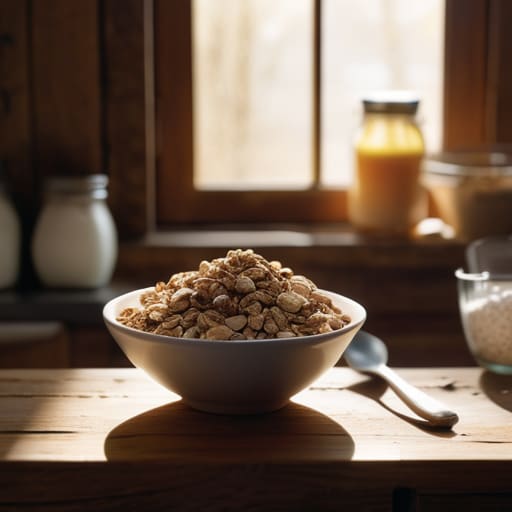
The problem is that most of us aren’t actually choosing to eat sugar; we’re being tricked into it by clever marketing and even cleverer chemistry. When I first started looking into my own habits, I realized that my “healthy” yogurt and granola bars were essentially dessert in disguise. Most manufacturers are masters at reading nutrition labels for sugar—or rather, making sure you don’t. They hide it behind dozens of different names like maltodextrin, barley malt, or agave nectar, making the ingredient list look much more complex than it actually is.
If you want to stop the cycle, you have to stop trusting the front of the box. The nutritional claims like “all natural” or “low fat” are often just distractions from the high fructose corn syrup lurking in the back. I’ve learned that the most efficient way to manage this is to treat the ingredient list like a system audit. If a sweetener appears in the first three ingredients, put it back on the shelf. It’s about eliminating the friction between your intentions and your actions by simply refusing to let those processed traps enter your pantry in the first place.
Mastering Nutrition Labels to Stop the Sugar Addiction

If you want to win this fight, you have to stop treating the nutrition label like a suggestion and start treating it like a technical manual. Most people glance at the “Total Sugars” line and think they’re in the clear, but that’s where the system fails you. You need to look deeper at the ingredient list. Manufacturers are masters of camouflage; they’ll use maltodextrin, barley malt, or agave to mask the sheer volume of sweetener they’re dumping into your food. Reading nutrition labels for sugar isn’t just about checking a box; it’s about auditing the raw data to see what’s actually being loaded into your system.
Once you get the hang of spotting these aliases, you’ll realize how much easier it is to start managing blood sugar spikes when you aren’t being blindsided by a “healthy” granola bar that’s essentially a candy bar in disguise. My advice? Don’t get bogged down in the complex math. Just look for the frequent offenders. If the first three ingredients look like a chemistry experiment, put it back on the shelf. It’s about reducing the friction between your intention to eat well and the reality of what’s in your cart.
Engineering Your Environment to Defeat Cravings
- Stop relying on willpower and fix your pantry; if the cookies and soda aren’t in your house, you won’t be eating them during a 3 PM slump.
- Automate your breakfast to remove decision fatigue; swap the sugary cereals for a high-protein, low-carb setup like eggs or Greek yogurt so you aren’t spiking your insulin before noon.
- Audit your liquid intake to find the hidden friction; most people are consuming half their daily sugar through “healthy” juices and flavored coffees, so switch to water or black coffee to reclaim your baseline.
The Bottom Line for Your Pantry
Stop relying on willpower to fight cravings; if you don’t stock the processed junk in your kitchen, you won’t be reaching for it when your energy dips.
Treat nutrition labels like a technical manual—ignore the marketing fluff on the front of the box and look strictly at the ingredient list to see what’s actually being added to your system.
Systems Over Willpower
Stop trying to out-think your cravings with willpower alone; that’s a losing battle. If you want to cut sugar, stop treating it like a moral failing and start treating it like a logistics problem. Fix your pantry, clear the friction, and build an environment where the healthy choice is the only choice left standing.
Gregory Scott Miller
Systems Over Willpower
At the end of the day, cutting sugar isn’t about having superhuman discipline; it’s about engineering your environment so you don’t have to rely on it. We’ve looked at how to spot those sneaky additives in processed goods and how to actually read a nutrition label like a pro. If you stop buying the hidden sugars and start prioritizing whole foods, you’ve already won half the battle. It’s about removing the friction between your healthy intentions and your actual habits. When the pantry is clean, the decisions become easy.
Don’t aim for perfection right out of the gate. If you try to overhaul your entire life overnight, you’ll likely burn out by Tuesday. Instead, pick one system—maybe it’s just swapping your morning cereal or auditing your condiments—and master that first. Small, incremental shifts in your daily routine create a compound effect that eventually feels effortless. Focus on building better systems, and the health benefits will follow as a natural byproduct of a well-ordered life. You’ve got this.