
I was in my workshop last Tuesday, trying to find a specific chisel, when I realized I was once again fighting a losing battle against my own workbench. I didn’t need a high-tech, modular pegboard system or a $500 designer organizer to fix it; I just needed a way to stop the chaos from winning. Most people think they need to spend a fortune on aesthetic bins to get organized, but most of those commercial products are just expensive distractions that fail the moment you actually start using them. Real diy storage solutions shouldn’t be about how pretty your shelves look on Instagram; they should be about reducing the friction in your daily life.
I’m not here to sell you on complex routines or complicated gadgetry that will end up in a landfill by next year. My goal is to show you how to build functional, low-maintenance systems that actually hold up to the reality of a busy life. We’re going to focus on practical, hands-on methods to reclaim your space using what you already have or can easily build. Let’s strip away the clutter and get back to what actually works.
Table of Contents
Small Apartment Storage Hacks to Strip Away the Friction
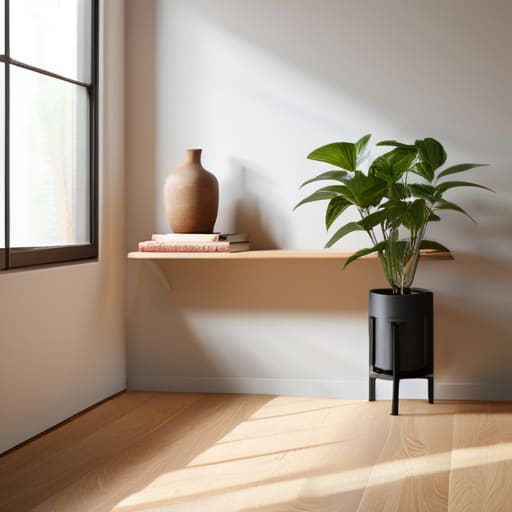
When you’re living in a footprint that feels like it’s shrinking every day, you have to stop thinking about floor space and start thinking about vertical real estate. I’ve found that most people waste the top three feet of their walls. Instead of buying more bulky shelving units that eat up your walking paths, look toward small apartment storage hacks like wall-mounted tracks or floating shelves. If you can get your items off the ground and onto the walls, the room immediately feels less claustrophobic.
I’m also a big believer in looking at what you already own through a different lens. You don’t need to spend a fortune at a big-box retailer to fix a cramped kitchen or a messy entryway. I often lean on repurposed container ideas—think old wooden crates or even sturdy glass jars—to create dedicated zones for your daily essentials. The goal isn’t to make it look like a showroom; it’s to ensure that every item has a specific, logical home so you aren’t hunting for your keys when you’re already five minutes late.
Repurposed Container Ideas for a System That Serves You
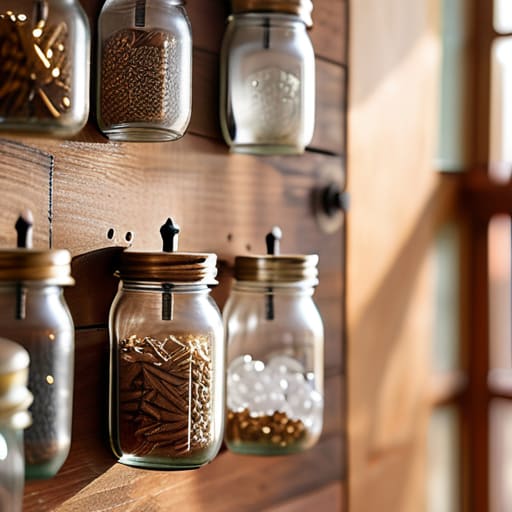
I’ve never been a fan of buying plastic bins just to fill them with more stuff. That’s not a system; that’s just moving the mess around. Instead, I look for what’s already in my workshop or kitchen that can be adapted. For example, I recently took some old glass mason jars and mounted them to a wooden board in my workspace. It’s a simple bit of upcycled home organization that keeps my smallest hardware visible and within reach, rather than buried in a junk drawer.
If you’re looking for budget friendly decluttering options, look toward your pantry or even your recycling bin. Sturdy cardboard boxes can be reinforced with heavy-duty tape and used as drawer dividers to keep your tech cables from becoming a bird’s nest. The goal isn’t to make things look “Pinterest-perfect”—it’s to create a designated home for every object so you stop wasting mental energy searching for what you need.
Three Rules for Building Systems That Actually Last
- Stop organizing for the “ideal” version of yourself. We’ve all done it—buying a complex filing system or a set of delicate bins that look great on Instagram but fail the moment real life gets messy. Instead, design your storage around your actual habits. If you always drop your keys on the entryway table, don’t fight it by putting a key hook in the kitchen; put a dedicated, low-friction tray right where the keys naturally land.
- Prioritize vertical real estate to reclaim your floor space. When I look at a room, I don’t just see floor area; I see the empty space between the furniture and the ceiling. Using simple, sturdy shelving or even heavy-duty wall tracks allows you to move the “noise” of daily life—tools, hobby supplies, or seasonal gear—up and out of your line of sight. It clears the mental clutter just as much as the physical kind.
- Label for function, not just aesthetics. A system only works if you can identify where things go in three seconds or less. I’m not talking about fancy calligraphy; I mean clear, direct labeling that tells you exactly what belongs in that bin. When you remove the guesswork, you remove the friction of tidying up, making it much easier to maintain the order you’ve worked hard to create.
The Bottom Line
Don’t organize for the sake of aesthetics; build systems that account for how you actually move through your space.
Focus on reducing friction by making sure every tool and item has a logical, easy-to-reach home that serves your daily workflow.
The Core Philosophy of Organization
“A storage solution isn’t about finding a pretty box for your stuff; it’s about designing a system that removes the friction from your daily life so you can actually live in your home instead of just managing it.”
Gregory Scott Miller
Building a System That Lasts
At the end of the day, DIY storage isn’t about buying more bins or finding the perfect aesthetic for a social media feed. It’s about the practical application of what we’ve discussed: using vertical space in small apartments, repurposing containers that already exist in your home, and creating designated “homes” for your most-used items. When you implement these small, functional shifts, you aren’t just tidying up; you are stripping away the daily friction that drains your energy. Remember, a system is only successful if it’s actually easy to maintain when life gets busy.
Don’t feel like you have to overhaul your entire house by next weekend. Start with one drawer, one shelf, or one corner of a room. My goal isn’t to help you build a museum of organized objects, but to help you reclaim your mental space. Once you stop fighting your environment and start designing it to serve you, you’ll find you have more time for the things that actually matter. Build for utility, not for show, and the rest will follow.