
I’ve spent most of my career looking at systems, and if there’s one thing I’ve learned, it’s that most people are trapped in a cycle of buying cheap, disposable junk that eventually just becomes more clutter. We’ve been conditioned to think that a “new” look requires a trip to a big-box store, but that mindset is actually creating more friction in our lives. Instead of adding more mass to your home, you should be looking at how to repurpose what you already own. Finding practical upcycling furniture ideas isn’t about chasing a Pinterest aesthetic; it’s about making your existing pieces work harder for your specific needs.
In this post, I’m going to walk you through three specific ways to breathe new life into old items without turning your garage into a chaotic workshop. I’ll show you how to strip away the unnecessary and focus on functional transformation that actually adds value to your space. By the end of this, you’ll have a clear roadmap to stop consuming and start optimizing your environment.
Table of Contents
Stop Tossing Old Nightstands
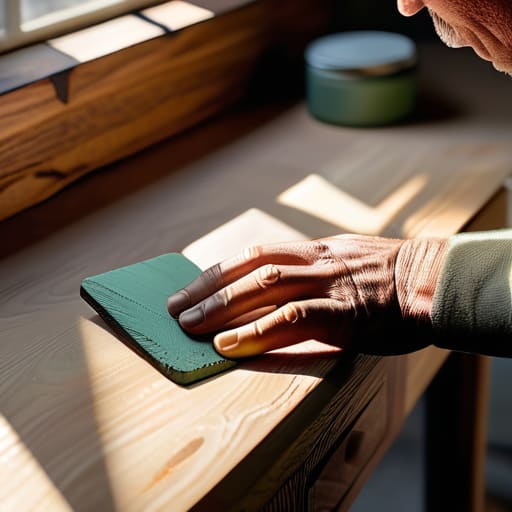
Most people see a scratched-up bedside table and think it’s trash, but from a systems perspective, that’s just a wasted opportunity for organization. Instead of running to a big-box store to buy a flimsy particle-board unit that will fall apart in two years, take that old solid wood piece and give it a functional overhaul. A quick sanding and a fresh coat of matte paint can hide years of wear, but the real magic happens when you address the utility.
Repurpose Bookshelves into Workstations
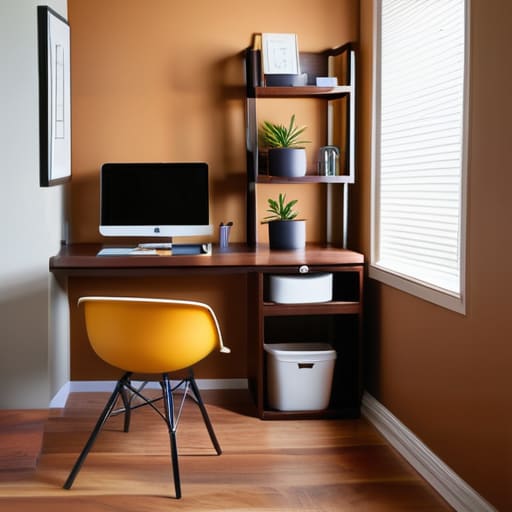
If you have an old, sturdy bookshelf gathering dust in a corner, stop looking at it as a storage unit and start seeing it as a modular command center. We all need a dedicated space to focus, but buying a massive, expensive desk often creates more visual clutter than it solves. By removing a few middle shelves from a standard unit, you can create a recessed desk area that fits perfectly into tight spaces without disrupting the flow of the room.
Give Kitchen Chairs a Second Life
Dining chairs take a massive amount of abuse, and most of the time, they don’t actually need to be replaced—they just need a systematic refresh. If the wooden frames are still structurally sound, you’re essentially halfway there. I’ve found that stripping back old, peeling varnish and applying a high-quality oil finish can make a decade-old chair look like a custom piece from a high-end showroom.
The Bottom Line
Stop looking for perfection; the goal of upcycling isn’t to make something look brand new, it’s to make it functional and useful for your specific space.
Before you pick up a sander or a paintbrush, ask yourself if the piece actually serves a purpose in your life—if it doesn’t reduce friction, it’s just more clutter in disguise.
The Philosophy of Upcycling
“Upcycling isn’t about chasing a Pinterest trend or adding more ‘stuff’ to your living room; it’s about looking at a piece of broken or outdated furniture and seeing the functional potential that’s already there. When we fix what we have instead of replacing it with cheap, disposable junk, we aren’t just saving money—we’re reducing the friction in our lives and building a home that actually has a soul.”
Gregory Scott Miller
Stop Chasing Trends and Start Building Systems
At the end of the day, upcycling isn’t about chasing some fleeting interior design trend or making your house look like a showroom. It’s about the practical application of the ideas we discussed: seeing the potential in a solid wood dresser, reclaiming a dining table through simple refinishing, and repurposing old shelving to fit your specific workflow. When you choose to fix and adapt rather than discard, you aren’t just saving money; you are actively reducing the friction in your living space. You’re building an environment that is grounded in quality and designed to last.
I know it can feel easier to just click “buy now” on a mass-produced piece of particle board, but I promise you, the payoff of a well-restored piece is worth the extra effort. Your home should be a reflection of your values and a tool for your productivity, not a graveyard of disposable junk. Stop looking for the next perfect thing and start looking at what you already own with new eyes. Once you start optimizing your surroundings this way, you’ll realize that a better life starts with a better system.