
I remember sitting in my workshop last spring, surrounded by the fine dust of a half-restored hand plane, when I realized I couldn’t stop coughing. I had spent a fortune on a high-tech, smart-enabled air purifier that promised to scrub every molecule of dust from the air, yet I still felt like I was breathing through a heavy blanket. It was a frustrating reminder that most people approach how to improve indoor air quality by throwing money at shiny, over-engineered gadgets instead of actually looking at the systems in their homes. We’ve been conditioned to believe that air quality is something you solve with a subscription service or a plastic box, but that’s just more friction we don’t need.
I’m not here to sell you on a new piece of tech or a complicated lifestyle overhaul. Instead, I want to show you how to apply a bit of systems engineering to your living space to get real, measurable results. I’m going to walk you through a few practical, low-friction adjustments—from managing ventilation to simple maintenance habits—that actually work in a real house. My goal is to help you clear the air so you can stop worrying about what you’re breathing and get back to what actually matters.
Table of Contents
Stripping Away Common Indoor Air Pollutants

Most people treat air quality like a mystery, but it’s usually just a series of small, predictable failures in your home’s ecosystem. We tend to overlook the common indoor air pollutants that settle into our carpets and upholstery—things like dust mites, pet dander, and those microscopic particles that trigger a sneeze. Instead of buying every fancy gadget on the market, start by looking at your cleaning habits. If you aren’t using a vacuum with a certified filter, you’re likely just kicking the dust back into the breathing zone.
I’ve found that the most effective way to manage this isn’t through complex tech, but through reducing household allergens at the source. This means ditching the heavy aerosols and synthetic fragrances that add chemical load to your air. If you want to get serious, look into HEPA air purifier benefits for your bedroom specifically; it’s one of the few “gadgets” worth the footprint because it actually removes the friction from your sleep environment. Keep it simple: stop adding junk to the air, and start removing what’s already there.
Maximizing Hepa Air Purifier Benefits Without the Friction
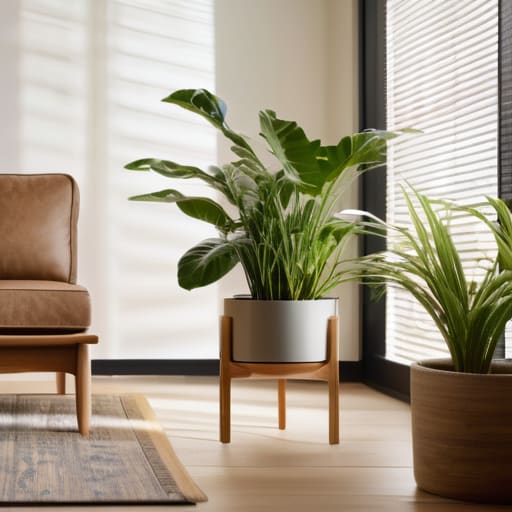
Most people buy a HEPA purifier, plug it in, and then wonder why they still feel like they’re breathing through a layer of dust. The mistake is treating it like a “set it and forget it” gadget. To actually see the HEPA air purifier benefits, you need to consider placement. If you tuck it in a corner behind a sofa or a curtain, you’re just creating a dead zone. I’ve found that placing the unit in the center of your living space or near the primary source of friction—like where you sleep or work—makes a massive difference in how effectively it pulls in particles.
Don’t forget that these machines aren’t magic; they are part of a larger system. A purifier works best when it isn’t fighting a losing battle against high moisture levels. I always tell my clients to keep an eye on their hygrometer, because the impact of humidity on air quality is real; if your air is too damp, your purifier is essentially working overtime just to manage the heavy atmosphere. Keep your humidity between 30% and 50%, change your filters on a predictable schedule, and you’ll stop fighting your air and start actually breathing it.
Three Low-Friction Systems for Cleaner Air
- Optimize your ventilation timing. Don’t just crack a window and hope for the best; use the cross-breeze method. Open two windows on opposite sides of the house for just ten minutes during low-traffic hours to flush out stale air without losing all your climate control.
- Manage your “dust reservoirs.” We all have them—the heavy curtains, the plush rugs, and those neglected bookshelves. Instead of fighting a losing battle with a vacuum every day, implement a monthly “surface reset” where you use a damp microfiber cloth to trap particles rather than just pushing them back into the air.
- Control moisture at the source. High humidity is a system failure that invites mold. Keep your bathroom exhaust fans running for at least fifteen minutes after a shower, and if you’re running a humidifier, make sure you’re cleaning the tank weekly. A clean system is a functional system.
The Bottom Line on Breathing Easier
Stop chasing high-tech gadgets and start managing your sources; if you control the pollutants at the door, you won’t have to fight them in the air.
Treat your air purifiers like any other tool in your workshop—they only work if they are placed strategically and maintained on a predictable schedule.
## The System Over the Gadget
“Don’t get distracted by the latest high-tech air monitor or a fancy new gadget that promises a miracle. Real air quality isn’t about buying your way out of a problem; it’s about designing a home environment where pollutants can’t settle in the first place.”
Gregory Scott Miller
Systems Over Solutions
At the end of the day, improving your air quality isn’t about buying every high-tech sensor on the market; it’s about implementing a few reliable habits. We’ve looked at how to identify the real culprits in your home, how to manage pollutants without turning your life upside down, and how to make sure your air purifiers are actually doing the heavy lifting they were designed for. It’s about reducing the friction between your living space and your health. If you focus on these core systems—ventilation, source control, and efficient filtration—you’ll find that you don’t need a complex manual to breathe easier.
Don’t feel like you have to overhaul your entire house by tomorrow morning. Start with one small change, like a consistent cleaning schedule or a better way to manage your indoor plants, and build from there. My goal is to help you create an environment that supports your life rather than one you have to constantly manage. Remember, a cleaner atmosphere leads to a clearer mind. Once you strip away the clutter and the stale air, you finally have the mental space to focus on what actually matters.