
I was elbow-deep in a project restoring a 1950s hand plane last weekend when I realized how much we overcomplicate the idea of a secure house. Most people think “home safety tips” means spending a small fortune on high-tech smart cameras and subscription-based sensors that ping your phone every time a stray cat wanders onto the porch. Honestly, it’s a distraction. We’ve fallen into the trap of thinking more gear equals more security, but all that complexity usually just adds friction and more things that can break when you actually need them.
I’m not here to sell you on a shiny new gadget or a complicated digital ecosystem. Instead, I want to show you how to build a resilient environment using systems that are actually reliable. We’re going to focus on the fundamentals—the practical, low-maintenance layers of security that work in the real world. My goal is to help you strip away the tech-heavy noise so you can implement a few straightforward, battle-tested strategies that let you actually relax in your own space.
Table of Contents
Securing Entry Points Without the Gadget Overload
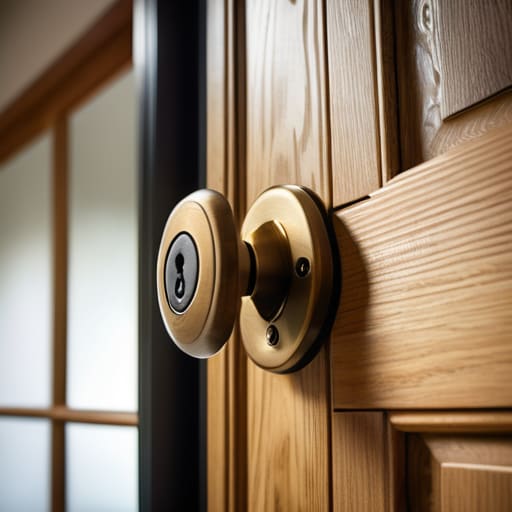
I’ve seen too many people fall into the trap of thinking a dozen blinking cameras and a subscription-based app constitute a real security plan. Most of those expensive smart home security systems just add more digital noise to your life without actually hardening your perimeter. If you want to focus on securing entry points, start with the mechanical basics: solid deadbolts and reinforced strike plates. A heavy-duty door is useless if the frame gives way under a little pressure. It’s about building a physical barrier that doesn’t require a software update to function.
Once the hardware is solid, look at the “soft” vulnerabilities. Check your window latches and ensure they actually catch. If you have sliding doors, a simple wooden dowel in the track is a low-tech, high-reliability solution that never fails. My philosophy is simple: don’t rely on a notification on your phone to tell you something is wrong; build a system that makes it difficult for things to go wrong in the first place. Keep it tactile, keep it reliable, and keep it simple.
Fire Prevention Strategies That Actually Work in Real Life

Most people treat fire safety like a checkbox task—buy the detectors, stick them on the ceiling, and forget about them. But if you want real fire prevention strategies that actually hold up when things get chaotic, you need to look at your habits, not just your hardware. I always start with the kitchen, because that’s where most friction occurs. It’s not about fancy sensors; it’s about the simple discipline of clearing the stovetop of flammable clutter and ensuring your grease disposal habits are consistent.
Beyond the kitchen, I’ve learned that the best defense is a solid, low-maintenance system. This means testing your smoke alarms every time you change your clocks and making sure your emergency preparedness kit is actually accessible, not buried in a box in the garage. If you have kids or aging parents in the house, focus on the paths of egress. Ensure hallways are clear of clutter so that if a sensor goes off at 3:00 AM, nobody is tripping over a stray shoe or a pile of mail while trying to get out.
Low-Tech Habits for High-Stakes Situations
- Audit your lighting like a logistics manager. Don’t just buy smart bulbs that require a firmware update to work; ensure your entryways and dark corners have reliable, motion-activated lighting that functions even if the Wi-Fi drops. A well-lit perimeter is the simplest deterrent there is.
- Stop treating your emergency kit like a “someday” project and build a modular system. I keep a small, grab-and-go bag near my workbench and another by the front door. It’s not about having a bunker; it’s about having the essentials—water, light, and basic first aid—ready to move with you in seconds.
- Create a “Communication Protocol” for your household. In a crisis, the last thing you want is a debate over who calls whom. Establish a single, clear rule: if something goes wrong, everyone goes to a specific, pre-determined meeting spot outside the house. It removes the friction of decision-making when your adrenaline is spiking.
The Bottom Line on Home Security
Stop chasing every new smart-gadget on the market; focus on reinforcing your physical entry points and establishing a few reliable, low-maintenance habits that actually protect your space.
True safety isn’t about complexity—it’s about reducing friction so that maintenance, like checking smoke detector batteries, becomes a seamless part of your routine rather than a chore you avoid.
The Philosophy of a Secure Home
“True home security isn’t about buying every smart camera on the market; it’s about building a set of reliable, low-friction systems that protect your peace of mind without demanding your constant attention.”
Gregory Scott Miller
Simplifying Your Security
At the end of the day, home safety isn’t about having the most expensive smart lock or a dozen flashing sensors on your walls. It’s about the fundamentals: securing your entry points with reliable hardware, managing your fire risks through consistent, low-friction habits, and ensuring your systems are actually functional when it counts. If a safety measure is too complex to maintain during a busy work week, it’s a failed system. Focus on the high-impact basics that integrate into your existing routine rather than adding more digital noise to your life.
I’ve spent a lot of my career looking for the “perfect” solution, but I’ve learned that perfection is the enemy of preparedness. Don’t let the pursuit of a high-tech fortress stop you from taking these simple, practical steps today. Your goal shouldn’t be to manage your house like a full-time job, but to build an environment that protects you effortlessly. Once you strip away the unnecessary friction, you’ll find that true peace of mind comes from simple, dependable systems that just work.