
I spent years in corporate logistics, and if there is one thing I learned, it’s that you can’t solve a systemic problem with more “stuff.” Most people think the answer to how to make a rental feel like home is a massive shopping spree at a big-box decor store, filling every corner with cheap knick-knacks and trendy pillows. That’s not making a home; that’s just adding friction. You don’t need a warehouse of aesthetic clutter to feel settled; you need a space that actually functions for your daily life without the constant feeling that you’re just a temporary guest in someone else’s building.
I’m not here to sell you on expensive renovations or complicated DIY projects that your landlord will just undo the moment you move out. Instead, I’m going to show you how to implement a few low-impact, high-yield systems that prioritize utility and comfort. We are going to focus on the small, strategic adjustments—lighting, organization, and modular setups—that allow you to reclaim your environment without breaking your budget or your lease.
Table of Contents
Renter Friendly Wall Art Solutions to Eliminate Sterile Spaces
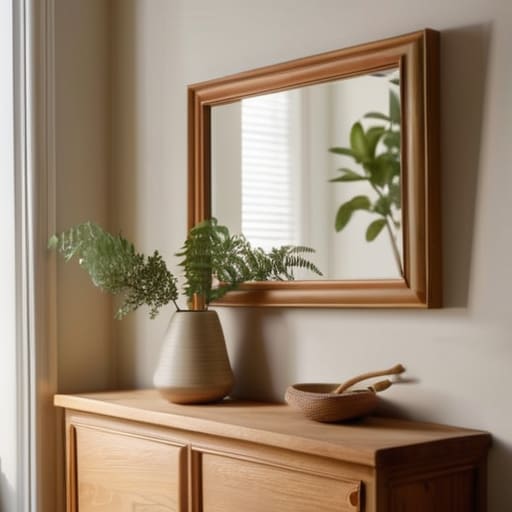
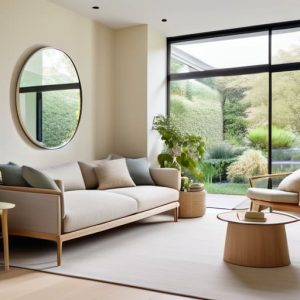
The biggest mistake I see people make when trying to personalize a rental is treating the walls like they’re untouchable. That sterile, white-box feeling usually comes from a lack of visual texture. You don’t need to drill twenty holes to fix this; you just need smarter renter-friendly wall art solutions. I’m a big proponent of using command strips or even lightweight tension rods to hang fabric tapestries or framed prints. If you’ve got something heavier, look into leaning large mirrors or framed art against the wall on a sideboard. It adds depth and breaks up those flat, industrial surfaces without risking your security deposit.
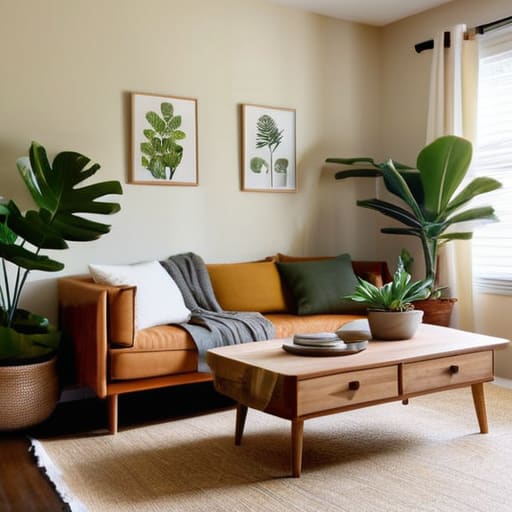
If you really want to move the needle on creating cozy apartment vibes, stop thinking about just “pictures” and start thinking about layers. I like to use adhesive-backed wayfinding strips or even high-quality Washi tape to create “frames” directly on the wall for lightweight sketches or postcards. It’s a low-stakes way to add color. When you combine these small visual anchors with some strategic placement, you stop living in a temporary unit and start living in a curated space that actually reflects who you are.
Apartment Lighting Hacks for Warmth and Instant Atmosphere
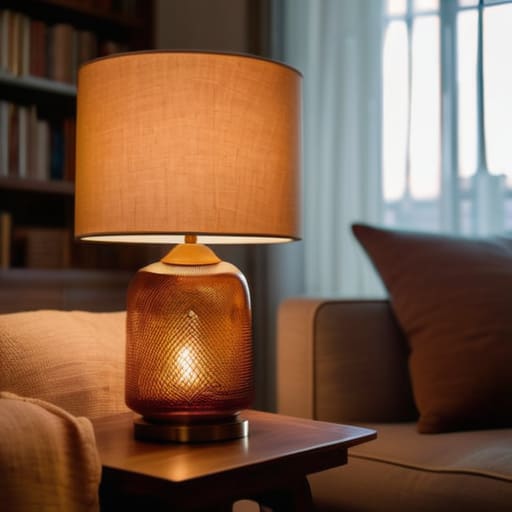
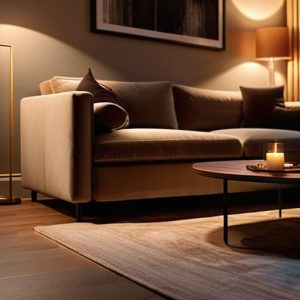
The biggest mistake I see people make when moving into a new place is relying entirely on the “big light”—that harsh, overhead fixture that makes even the nicest living room feel like a sterile doctor’s office. If you want to start creating cozy apartment vibes without touching a single wire, you have to stop thinking in terms of illumination and start thinking in terms of layers. I always suggest a three-point approach: floor lamps for corners, task lighting for workspaces, and small accent lamps for surfaces.
Since we aren’t rewiring the place, look for smart bulbs that allow you to adjust the color temperature. Swapping out a cold, blue-toned bulb for something in the warm, amber range is one of the most effective apartment lighting hacks for warmth I’ve ever used. It’s a low-effort, high-impact system change. Pair these with a few well-placed LED strips behind a monitor or under a bookshelf, and you’ve instantly stripped away that “temporary” feeling, replacing it with a sense of intentionality and calm.
Systems for Sensory Comfort: Beyond the Visuals
- Stop ignoring the floor. Most rentals come with cold, hard laminate or generic grey carpet that kills the vibe of a room. I’ve found that laying down a large, high-quality area rug does more for the acoustics and the “soul” of a room than any piece of wall art ever could. It defines the space and dampens that hollow, echoing sound that makes an apartment feel like a temporary holding cell.
- Control your scent profile to anchor your presence. A space feels sterile when it smells like nothing—or worse, like industrial cleaning products. I keep a few high-quality, unscented beeswax candles or a simple stone diffuser on hand. It’s a low-effort way to create a sensory boundary that says, “I live here,” without needing to drill a single hole in the wall.
- Optimize your “touchpoints” with tactile upgrades. We spend most of our time interacting with specific surfaces: door handles, light switches, and cabinet pulls. If your rental has those cheap, hollow plastic fixtures, swap them out for heavy brass or matte black hardware. It’s a small, modular change that you can box up and take with you when you move, but it fundamentally changes how the entire environment feels under your hands.
The Bottom Line
Stop treating your rental like a waiting room; focus on high-impact, reversible changes like lighting and wall decor that strip away the sterile feeling without risking your security deposit.
Prioritize function over decoration by implementing systems that make your space work for you, ensuring your environment reduces friction rather than adding to your mental load.
The Core Philosophy
“A home isn’t defined by the deed in your drawer or the permanent fixtures on the walls; it’s defined by the systems you put in place to make your daily life run smoothly and feel intentional.”
Gregory Scott Miller
Reclaiming Your Space
At the end of the day, making a rental feel like home isn’t about a massive renovation or an endless shopping list. It’s about the small, intentional shifts we discussed: swapping out harsh overhead lights for warm lamps, using command strips to get art on the walls, and layering textures that actually feel good to live with. When you focus on these specific touchpoints, you aren’t just decorating; you are reducing the friction between you and your environment. You’re moving away from a sterile, temporary feeling and toward a space that actually supports your daily rhythm.
Don’t get caught in the trap of thinking you need permission from a landlord to feel settled. Your home should be a sanctuary that serves you, regardless of who holds the deed. Start with one small system or one single corner of a room, and build from there. Remember, the goal isn’t to create a showroom; it’s to build a functional, peaceful base of operations where you can truly decompress. You deserve a space that works as hard as you do.