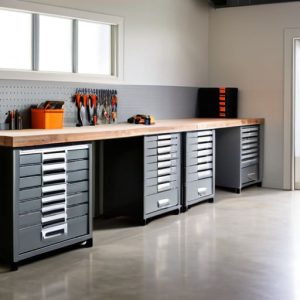

I spent years in corporate logistics watching companies drown in “solutions” that actually just added more layers of complexity. Most people approach decluttering the same way: they buy a dozen aesthetic acrylic bins, download a productivity app, and follow a rigid, complicated schedule that falls apart the moment life gets messy. That’s not a solution; it’s just more stuff to manage. If you’re looking for a magic pill or a way to organize your way out of a mess, you’re wasting your time. Real change isn’t about buying more containers; it’s about learning how to reduce clutter for good by fixing the broken systems that let the chaos in the first place.
I’m not here to sell you a lifestyle or a fancy organizational kit. My goal is to give you the engineering mindset—the kind of practical, stripped-down logic I use to keep my own home and workshop running smoothly. I’m going to show you how to identify the friction points in your daily routine and build simple, sustainable habits that actually stick. We’re going to stop managing your things and start building systems that work for you, so you can finally reclaim your mental space.
Table of Contents
The Decluttering Mindset Shifts You Actually Need

Before you move a single box or toss a single bag, you have to address the underlying decluttering psychology. Most people approach this like a spring cleaning marathon—a burst of energy followed by total exhaustion. That’s a losing strategy. I’ve learned through years of optimizing logistics that you can’t fix a systemic problem with a temporary surge of willpower. You have to stop viewing your belongings as “potential” and start seeing them as ongoing maintenance requirements. Every item you own is a silent demand on your time, your space, and your mental bandwidth.
The most effective decluttering mindset shifts happen when you stop asking “Can I use this?” and start asking “Does this serve my current life?” We tend to cling to items based on who we used to be or who we hope to become, but that’s just friction in disguise. If you want to succeed at preventing clutter regrowth, you need to build organizing systems for home that prioritize function over sentimentality. Don’t aim for a museum-perfect house; aim for a workspace that actually supports your daily flow.
Building Organizing Systems for Home That Work
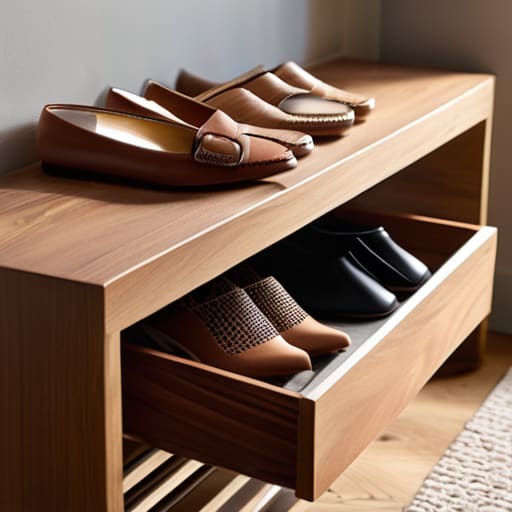
Most people fail at organizing because they buy pretty bins before they build a process. They treat organization like a decorating project rather than an engineering problem. If you want to avoid the endless cycle of tidying up only to have everything explode again in a week, you have to focus on organizing systems for home that account for human error. A system shouldn’t require perfection; it should be designed for your most tired, distracted self. If a tool or an object doesn’t have a “home” that takes less than five seconds to access, you’ve already lost the battle.
I always tell my clients to look at the flow of their daily lives. Instead of forcing yourself into rigid categories, design your storage around your actual movements. If you drop your keys on the kitchen island every single day, don’t fight it by putting a key hook in the hallway; put a small, functional tray right there on the island. This is the secret to preventing clutter regrowth: stop fighting your natural habits and start building systems that work with them instead of against them.
Three Low-Friction Rules for Permanent Order
- Stop the “Just in Case” Trap. I spent years in logistics looking at inventory waste, and most household clutter is just “ghost inventory”—stuff you keep because you might need it in three years. If you haven’t touched it in twelve months and it doesn’t serve a vital function, it’s not an asset; it’s friction. Let it go.
- Design for the “Path of Least Resistance.” If your filing system requires three different steps to put a single piece of mail away, you won’t do it. You’ll just leave it on the counter. Build your systems around your natural habits, not some idealized version of yourself. If you always drop your keys by the door, put a dedicated tray there. Don’t fight your biology.
- Implement a “One-In, One-Out” Protocol. To keep the equilibrium, every new item that enters your home must replace an existing one. This isn’t about being restrictive; it’s about maintaining the integrity of your space. It forces you to evaluate if that new gadget is actually worth the space it’s going to steal from you.
The Bottom Line
Stop chasing perfection and start chasing friction reduction; if a system is too complex to maintain when you’re tired or busy, it’s a bad system.
Focus on managing your flow, not just your stuff—clutter isn’t just an object problem, it’s a failure of the systems designed to handle it.
## The Core Truth
“Clutter isn’t a storage problem; it’s a system failure. Stop trying to find better places to hide your stuff and start building a life where your things actually have a purpose and a place to go.”
Gregory Scott Miller
Stop Managing Your Stuff and Start Living
At the end of the day, reducing clutter isn’t about achieving some perfect, catalog-ready aesthetic; it’s about engineering a life with less friction. We’ve covered how to shift your mindset from hoarding to utility, and how to build systems that actually survive the chaos of a real Tuesday afternoon. Remember, the goal isn’t to find the perfect bin or the most expensive organizer. The goal is to build sustainable systems that work for you, rather than forcing you to work for them. If a system is too complex to maintain when you’re tired or busy, it’s a bad system.
Don’t feel like you have to overhaul your entire life by sunset. Start small, pick one high-friction area, and apply the logic. Once you reclaim even a little bit of your physical and mental space, you’ll realize that the real prize isn’t a clean countertop—it’s the mental clarity that comes with it. Stop letting your possessions dictate your energy. Strip away the excess, optimize your environment, and get back to what actually matters.