
I’m tired of seeing those “perfect” kitchen organization ideas on social media that require you to buy twenty matching acrylic bins just to find a spatula. Most of that stuff is nothing more than expensive clutter disguised as a system, and quite frankly, it’s a waste of your time and money. I spent years in logistics watching people build complex solutions for problems that didn’t exist, and I see the same mistake happening in homes every day. If your “organized” kitchen falls apart the second you actually try to cook a real meal, you don’t have a system—you have a decorative display.
I’m not here to sell you on a lifestyle aesthetic or a shopping list of gadgets. Instead, I want to show you how to apply a bit of systems engineering to your most high-traffic room to strip away the friction. We’re going to look at practical, durable ways to layout your space so that everything has a logical home based on how you actually move. My goal is to give you a few straightforward, no-nonsense strategies that will help you reclaim your mental space and finally stop fighting your own cabinets.
Table of Contents
Small Kitchen Storage Solutions That Actually Scale
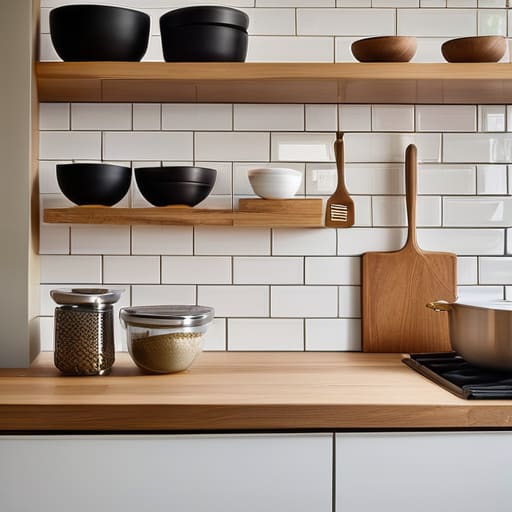
If you’re working with limited square footage, you have to stop thinking about “storage” and start thinking about volume. Most people make the mistake of trying to cram everything into the existing footprint, which just leads to a chaotic mess of stacked bowls and buried spices. Instead, I look for ways to reclaim the vertical space you’re already paying for. Installing simple floating shelves or using magnetic strips for your knives isn’t just about aesthetics; it’s about freeing up your precious counter space.
I’m a big believer in drawer divider systems to manage the smaller, high-frequency items. If your utensil drawer looks like a junk drawer, you’ve already lost the battle for efficiency. By grouping tools by function, you eliminate that split-second of frustration every time you reach for a spatula. This approach to small kitchen storage solutions ensures that everything has a dedicated home, which makes it much easier to maintain the system once the initial setup is done.
Mastering Cabinet Decluttering Tips Without the Chaos
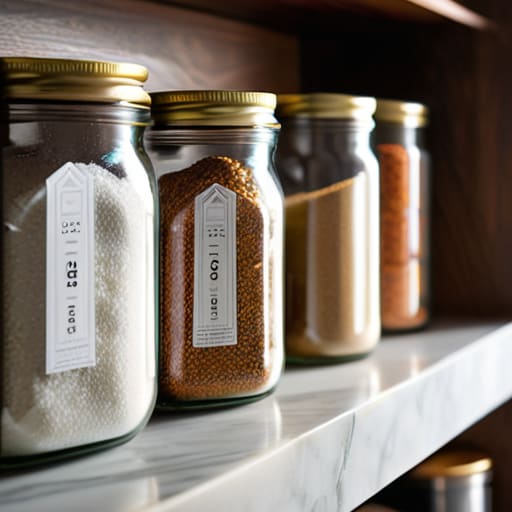
Most people approach cabinet decluttering like they’re preparing for a storm—they grab a trash bag, throw everything in, and hope for the best. That’s not a system; that’s a panic response. To actually make progress, you need to stop looking at your cabinets as storage bins and start seeing them as logistics hubs. I always tell my clients to start with a single category—say, baking supplies or spices—rather than trying to tackle the whole kitchen in one afternoon. If you haven’t used that specialized gadget in the last year, it’s just friction masquerading as utility.
Once you’ve cleared the dead weight, the real work begins: establishing a flow. This is where most people fail by overcomplicating things. You don’t need a dozen expensive organizers; you need drawer divider systems that actually match the scale of your tools. Group items by frequency of use. The things you grab every single morning should be at eye level or in the top drawer, not buried behind a stack of seasonal platters. When you design your layout around your actual habits, the kitchen starts to feel like it’s working for you, rather than you working for it.
The Three Pillars of a Low-Friction Kitchen
- Stop the “One-Touch” Rule. If you take a spice jar out to season a meal, put it back the second you’re done. If your system requires you to move three other things just to reach the salt, your system is broken. I’ve learned through trial and error that any organization that requires extra steps is just a temporary illusion of order.
- Zone Your Workflow, Not Your Items. Stop grouping things by “type” and start grouping them by “task.” Your coffee beans, mugs, and sweeteners should live in one dedicated station. Your prep tools—knives, cutting boards, and oils—belong near the main workspace. When your environment mirrors your physical movements, you stop searching and start doing.
- Use the “Prime Real Estate” Audit. Your waist-to-eye-level cabinets are your high-value zones. Only the things you use every single day—the daily plates, the favorite skillet, the everyday coffee mug—get to live there. Everything else, like the heavy Dutch oven or the seasonal baking tins, goes to the high shelves or the back of the pantry. If you haven’t touched it in a month, it shouldn’t be in your way.
The Bottom Line
Stop trying to organize things you don’t use; a system only works if it’s built around the tools you actually touch every day.
Focus on reducing friction, not adding complexity—if a storage solution requires a manual to operate, it’s a failed system.
## The Philosophy of the Functional Kitchen
“A kitchen shouldn’t be a showroom of expensive gadgets you never use; it should be a high-functioning system where every tool has a home and nothing stands between you and a decent meal.”
Gregory Scott Miller
The Goal is Frictionless Living
At the end of the day, organizing your kitchen isn’t about achieving a showroom aesthetic or buying every plastic bin on the market. It’s about the systems we discussed: scaling your storage for your actual footprint, clearing out the cabinets that serve no purpose, and ensuring every tool has a logical home. When you stop fighting your environment and start designing for your actual habits, the daily grind of meal prep and cleanup becomes significantly lighter. Remember, if a system requires constant maintenance just to stay functional, it’s a bad system.
Don’t feel like you have to overhaul the entire room by Sunday afternoon. Start with one drawer, one corner, or one shelf. The objective is to reclaim your mental space by removing the physical friction that slows you down. Once you build a kitchen that works for you, you’ll find you have more energy for the things that actually matter—whether that’s a quiet morning coffee or a real meal with your family. Build it one step at a time, and let the efficiency follow.