

I was out in the workshop last Saturday, working on a vintage hand plane, when I got that sinking feeling in my gut—the kind you only get when you realize you’ve left the garage door open after a storm. It wasn’t the garage, though; it was a notification on my phone telling me someone had attempted to access my primary email from halfway across the world. It’s a jarring reminder that our digital lives are often left wide open, and while most people think they need a complex, expensive cybersecurity suite to stay safe, they’re missing the point. If you’re wondering what is two step verification and why it matters, it isn’t about adding more layers of digital clutter; it’s about building a reliable fail-safe for your identity.
I’m not here to bore you with technical jargon or sell you on some high-priced software subscription. My goal is to strip away the confusion and show you how to implement this as a simple, functional system that works in the real world. I’ll walk you through the most efficient ways to set it up so you can reclaim your peace of mind without adding unnecessary friction to your daily routine. Let’s get your digital front door locked properly.
Table of Contents
How 2fa Works to Strip Away Your Security Friction
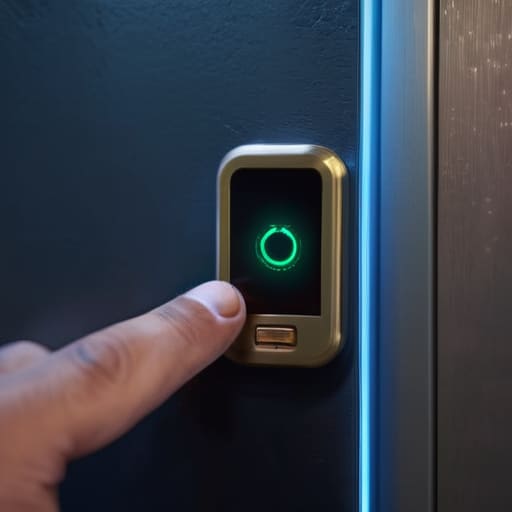
Think of it this way: a password is just a single lock on a door. It’s fine, until someone steals the key. When you implement two-step verification, you aren’t just adding a second lock; you’re changing the entire security architecture. Instead of relying on something you know (your password), you add a layer of something you have (like your phone). This is the core of how 2FA works to create a barrier that a hacker can’t easily bypass, even if they manage to guess your credentials.
The real magic, however, is in how it reduces your long-term mental load. When you’re protecting online accounts, the goal is to prevent the massive headache of a hijacked identity. You might find yourself choosing between an authenticator app vs SMS—and while SMS is a step up from nothing, I always recommend an app for less friction and higher reliability. By automating this second check, you’re essentially building a self-correcting system that keeps the bad actors out while letting you move through your digital life without constant worry.
Preventing Unauthorized Access With Simple Real World Systems
When I look at security, I don’t see a list of chores; I see a series of gates. If you only rely on a password, you’ve essentially built a house with a single, flimsy latch. By implementing preventing unauthorized access through a second layer, you aren’t just adding a step; you’re creating a fail-safe. Even if a bad actor manages to snag your password through a data breach or a clever phishing attempt, they still hit a wall because they lack that second, physical piece of the puzzle.
In my own workflow, I’ve learned that the best system is the one you actually use consistently. This is where the debate of authenticator app vs sms usually comes up. While getting a text code is better than nothing, it’s still vulnerable to SIM swapping. I prefer using an authenticator app. It’s faster, it works offline, and it removes the dependency on a cellular network. It’s a small shift in your digital habits, but it’s one of the most effective ways of protecting online accounts without turning your daily routine into a technical headache.
Three ways to implement 2FA without losing your mind
- Pick a method that fits your workflow. Authenticator apps like Google or Authy are my go-to because they don’t rely on a cellular signal and they keep the process localized to your device, which cuts out the middleman and the delay.
- Get your recovery codes into a secure, physical spot. I keep mine in a small fireproof safe in my office. If you lose your phone and haven’t pre-planned your “emergency exit,” your digital security system becomes a barrier rather than a benefit.
- Audit your high-stakes accounts first. Don’t try to overhaul your entire digital life in one afternoon. Start with your primary email and your banking; once those systems are solid, the rest of the house will feel a lot more secure.
The bottom line on securing your digital workspace
Treat 2FA as a fundamental layer of your personal infrastructure, not an annoying extra step; it’s the simplest way to ensure your digital front door stays locked without requiring a complex security overhaul.
Focus on systems that reduce friction, such as using an authenticator app rather than waiting for SMS codes, so that staying secure doesn’t become a chore that you eventually ignore.
## The Core Philosophy of 2FA
“Two-step verification isn’t about adding more hurdles to your morning routine; it’s about building a reliable fail-safe so that a single compromised password doesn’t turn into a total system failure.”
Gregory Scott Miller
Securing Your Digital Perimeter
At the end of the day, two-step verification isn’t about adding more hoops to jump through; it’s about building a reliable layer of defense that works while you sleep. We’ve looked at how it functions to reduce friction and how it acts as a practical barrier against unauthorized access. By moving away from the “password-only” mindset, you aren’t just checking a security box—you are implementing a robust system that protects your time, your identity, and your peace of mind from the constant noise of digital threats.
Don’t let the complexity of the tech world paralyze you. You don’t need a degree in cybersecurity to take control of your digital environment; you just need to make a few smart, intentional choices. Start with your most critical accounts today and build from there. Remember, the goal is to create a life where your tools serve you, rather than leaving you constantly reacting to crises. Optimize your security now so you can get back to focusing on what truly matters.