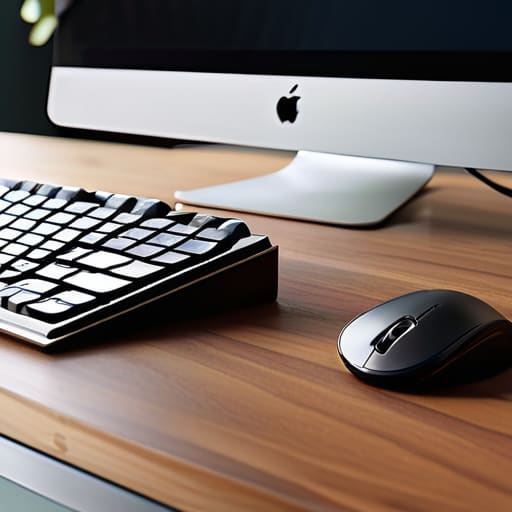

I’ve spent most of my career looking at systems, whether it was a massive logistics chain or the way my own home office functions. One thing I’ve learned is that most people approach efficiency by adding more layers of complexity, when they should be stripping them away. We’ve all fallen into the trap of chasing the best productivity gadgets on the market, thinking a new app or a flashy device will magically fix a broken workflow. But if a tool doesn’t actually remove friction, it’s just more noise in an already crowded day.
In this post, I’m cutting through the marketing fluff to share three specific tools that have earned a permanent spot in my setup. I’m not interested in gadgets that require a steep learning curve or constant maintenance; I want things that work. By the end of this, you’ll see how to choose tools that serve your system rather than demanding your attention, allowing you to get back to the work that actually matters.
Table of Contents
A High-Quality Mechanical Timer
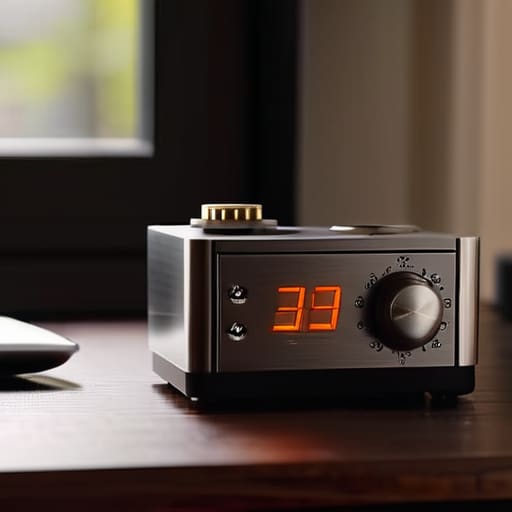
I’ve seen too many people get lost in the “digital rabbit hole” by using their phones to track their tasks. You pick up your device to set a twenty-minute timer for deep work, and suddenly you’re scrolling through news feeds or checking emails. It’s a massive source of unnecessary friction that breaks your focus before you even get started. I prefer a dedicated, physical mechanical timer sitting right on my desk.
Noise-Canceling Headphones

Whether I’m working in a crowded coffee shop or just trying to ignore the hum of the dishwasher in my own house, environmental noise is a constant thief of mental energy. You can’t build a productive system if your brain is constantly working to filter out distractions. I don’t look for the most expensive, feature-heavy model on the market, but I do insist on active noise cancellation that actually works.
A Dedicated Notebook and Good Pen
I know, it sounds old-fashioned, but in an age of endless apps, there is a profound efficiency in a physical notebook. Digital task managers are great for long-term storage, but they are often too “heavy” for quick captures. When I’m mid-project and a new thought or a stray task pops into my head, I don’t want to open an app and navigate menus; I just want to write it down and get back to work.
The Bottom Line
Stop chasing the “next big thing” in tech; if a gadget doesn’t actively remove a specific friction point in your daily routine, it’s just more clutter.
Focus on tools that integrate into your existing systems rather than forcing you to build new, complex habits just to make them work.
The Golden Rule of Gear
“A gadget isn’t a solution; it’s just a tool. If it requires a manual to operate or a subscription to stay functional, it isn’t helping you reclaim your time—it’s just adding another layer of maintenance to your life.”
Gregory Scott Miller
The Bottom Line
At the end of the day, the gadgets we discussed—the noise-canceling headphones, the ergonomic peripherals, and the reliable paper notebook—aren’t just more stuff to manage. They are tools designed to reduce the cognitive load that accumulates throughout a heavy workday. If you find yourself constantly fighting your environment, it’s time to stop blaming your willpower and start looking at your setup. A few well-chosen pieces of gear can act as the structural support your workflow needs, allowing you to move from one task to the next without the usual mental drag.
Just remember, the goal isn’t to build the most impressive tech stack on the block; it’s to build a system that actually serves your life. Don’t fall into the trap of buying something just because it’s new or highly rated. If a tool doesn’t actively strip away friction or give you back a little bit of mental clarity, it doesn’t belong on your desk. Invest in what works, keep your space intentional, and focus your energy on the work that actually matters.