
I’ve spent most of my career looking at systems—how things move, how they break, and how they can be made more efficient. I’ve realized that the same logic applies to our homes. Most people fall into the trap of buying “decor” that is really just expensive dust-collectors, adding to the visual noise rather than calming it. I’ve found that when you look for concrete craft ideas that prioritize utility, you stop decorating and start optimizing. You aren’t just making things look nice; you’re creating permanent, functional anchors for your living space.
In this post, I’m stripping away the fluff to share three specific projects that actually earn their keep on your desk or countertop. We aren’t going to waste time on trinkets that serve no purpose. Instead, I’ll show you how to craft three essential items that reduce friction in your daily routine. By the end of this, you’ll have a blueprint for building a more intentional, minimalist environment—one piece of heavy-duty, functional art at a time.
Table of Contents
Minimalist Desk Trays
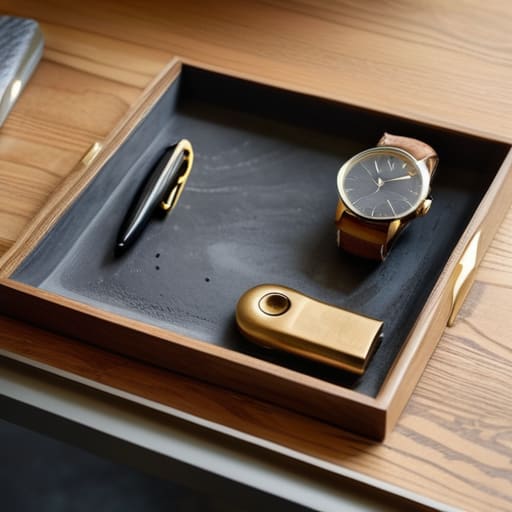
Most people clutter their workspaces with tiny trinkets and loose pens that just create visual noise. I’ve found that a single, heavy concrete tray can act as a system for your essentials, keeping your keys, wallet, or EDC (everyday carry) in one designated spot. It’s not about adding more stuff to the desk; it’s about creating a defined boundary for the items you actually use every day.
Low-Maintenance Planter Vessels
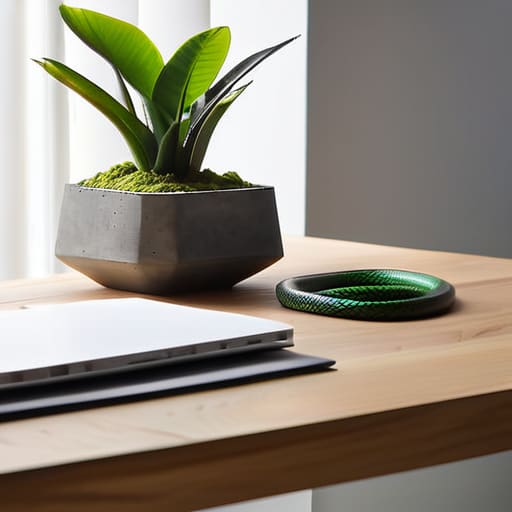
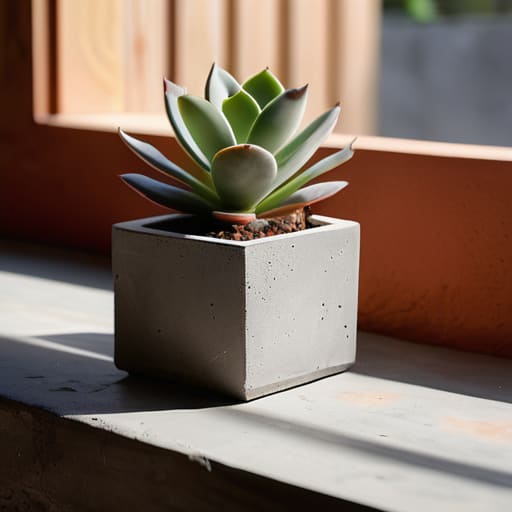
I love bringing greenery into my workspace, but I don’t have the patience for fussy, high-maintenance arrangements. Casting your own concrete planters allows you to control the scale and the drainage, ensuring they fit perfectly into your existing environment. It’s a way to integrate nature into your home without the mess of traditional ceramic pots that often feel too “decorative” and not enough “utility.”
Weighted Coasters for High-Traffic Zones
We’ve all been there—a lukewarm coffee or a condensation-heavy glass leaves a ring on a wooden surface, creating a mess that needs cleaning. Instead of buying those flimsy cork coasters that slide around, I make my own concrete versions. They have enough natural heft to stay exactly where you put them, which is a small but significant way to reduce friction in your daily routine.
The Bottom Line
Stop chasing aesthetics for the sake of it; if a concrete piece doesn’t solve a storage problem or serve a daily function, it’s just more weight in your house.
Focus on the process of building systems, not just collecting objects—start with one functional piece and let your workspace evolve naturally.
The Philosophy of Function
Don’t mistake “crafting” for just making more stuff to move around; true utility comes when you use a material like concrete to create something that holds its ground and serves a purpose.
Gregory Scott Miller
Final Thoughts on Functional Decor
At the end of the day, these concrete projects aren’t about adding more “stuff” to your shelves; they are about replacing mass-produced junk with items that have actual utility. Whether you’re casting a minimalist tray to organize your desk or creating heavy-duty planters for the garden, the goal remains the same: reduce the friction in your daily routine. By choosing to make these pieces yourself, you aren’t just saving money—you are ensuring that every object in your home has a clear purpose and a place where it belongs.
Don’t get caught up in the pursuit of perfection or the need for complex molds. The beauty of working with concrete lies in its raw, honest nature, much like the vintage tools I spend my weekends restoring. Start small, keep your workspace organized, and focus on the system of use rather than just the aesthetic. Once you stop decorating for the sake of appearances and start building for functionality, you’ll find that your environment finally starts to work for you.