

I was sitting in my workshop last Tuesday, cleaning a rusted plane blade, when I realized I was doing exactly what I tell my consulting clients to avoid: I was chasing expensive, shiny solutions instead of fixing the fundamental friction. Most people think that learning how to save on utility bills requires a massive investment in high-end smart home ecosystems or complex, automated schedules that break the moment the Wi-Fi hiccups. Honestly, that’s just noise. We’ve been sold this idea that efficiency requires more gadgets, when in reality, most of our energy waste comes from simple, systemic leaks that no app can fix.
I’m not here to sell you on a new piece of hardware or a complicated lifestyle overhaul. My goal is to help you apply a little systems engineering to your own four walls by focusing on the high-impact basics. I’m going to show you how to strip away the waste through a few practical, no-nonsense adjustments that actually work in a real-world home. We’re going to stop fighting your house and start making it work for you.
Table of Contents
Smart Thermostat Benefits Automating Your Comfort and Savings
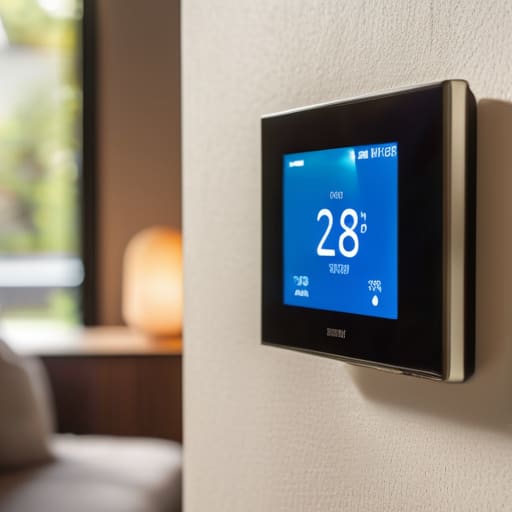
I’ve always been a believer in using technology to solve problems, not just to add more noise to our lives. A smart thermostat is one of those rare tools that actually lives up to the hype because it removes the most common source of waste: human error. We all do it—we leave the AC cranking while we’re out running errands or forget to dial back the heat before heading to bed. By automating these transitions, you aren’t just chasing a trend; you are implementing a system for reducing monthly household expenses without having to think about it every single day.
The real magic lies in the data. Most of these devices provide a clear picture of your usage patterns, which is essential for anyone serious about energy efficient home improvements. Instead of guessing why your bill spiked in February, you can see exactly when your HVAC system is working overtime. It turns a vague monthly headache into a manageable set of variables. For me, it’s about setting a baseline of comfort and letting the system handle the heavy lifting, allowing you to reclaim that mental bandwidth for things that actually matter.
Seasonal Heating and Cooling Tips for a Frictionless Home

Most people treat their HVAC system like a blunt instrument—either it’s blasting at full force, or it’s off entirely. That’s a recipe for wasted money and unnecessary wear on your equipment. Instead of reacting to the temperature, I prefer to build a seasonal rhythm. When the seasons shift, your first move shouldn’t be adjusting the dial; it should be inspecting your home’s perimeter. I always make a point to check window seals and door sweeps as soon as the first frost hits or the humidity climbs. These small, low-effort adjustments prevent your system from working twice as hard just to fight drafts.
If you want to see real results in reducing monthly household expenses, you have to look at the airflow. In the winter, I make sure my vents aren’t blocked by furniture, and I ensure my furnace filters are clean—something I schedule religiously every three months. In the summer, it’s all about shade. Closing the blinds on the sunny side of the house during peak hours is one of those simple, manual systems that keeps the heat out without adding a cent to your bill. It’s not about high-tech fixes; it’s about managing the environment before the thermostat even realizes there’s a problem.
Stop Leaking Money: Three Low-Friction Fixes for Your Utility Bills
- Seal the gaps before they steal your budget. I’ve spent way too many weekends chasing drafts in my craftsman home, and it always comes down to the same thing: air is escaping where it shouldn’t. Grab some weatherstripping for your doors and a bit of caulk for those window seams. It’s a one-hour job that pays for itself in a single billing cycle.
- Audit your water usage without the guesswork. Most people don’t realize they’re wasting gallons just by letting the tap run while brushing teeth or washing dishes. Swap out your old, high-flow showerheads for low-flow versions; it’s a simple hardware swap that requires zero technical skill but significantly reduces your water heating load.
- Optimize your appliance schedule to work with the grid, not against it. If your utility provider offers off-peak pricing, use it. Run your dishwasher or laundry during those late-night or early-morning windows. It’s a small shift in your daily system, but over a year, that reduction in peak-demand charges adds up to real, tangible savings.
The Bottom Line
Stop chasing the latest high-tech gadgets to solve every problem; start by auditing your current environment to find where energy is actually leaking out of your system.
Focus on high-leverage, low-friction changes—like sealing drafts or setting simple schedules—that work for you automatically without requiring constant mental upkeep.
## The Philosophy of Efficiency
“Saving on utilities isn’t about buying the latest expensive gadget; it’s about identifying where your home is leaking energy and building simple, repeatable habits to plug those holes.”
Gregory Scott Miller
Cutting the Friction, Not the Comfort
At the end of the day, saving on your utility bills isn’t about living in the dark or turning off the heat in the middle of January. It’s about moving away from reactive habits and toward intentional systems. Whether you’re leveraging a smart thermostat to handle the heavy lifting or simply adjusting your seasonal habits to better suit your home’s natural rhythm, the goal is the same: eliminating waste through better design. When you stop fighting your environment and start optimizing it, the savings follow naturally without requiring constant mental overhead.
I’ve spent a lot of my career looking at complex logistics, and I can tell you that the most effective solutions are rarely the most complicated ones. Don’t get caught up in the trap of needing the latest, most expensive gadget to solve every problem. Start small, fix the leaks in your current systems, and focus on sustainable, low-friction changes. Your home should be a place that supports your life, not a source of constant, unnecessary stress. Build better systems, and the rest will take care of itself.