
I spent years in corporate logistics watching people try to solve massive efficiency problems with nothing but expensive software and more meetings, and I see the exact same mistake happening in our living rooms. Most “home organization” influencers will try to sell you a $50 acrylic bin or a complicated color-coding system, but let’s be honest: that isn’t how you actually learn how to keep your house tidy. If your system relies on you having perfect discipline every single day, the system is broken, not you.
I’m not here to give you a list of aesthetic chores that look good on Instagram but fall apart by Tuesday afternoon. Instead, I’m going to show you how to apply basic systems engineering to your daily life to strip away the friction. We’re going to focus on building low-maintenance habits and functional layouts that work even when life gets messy, so your home finally starts serving you instead of giving you another job to do.
Table of Contents
Decluttering Techniques for Beginners Stripping Away the Friction
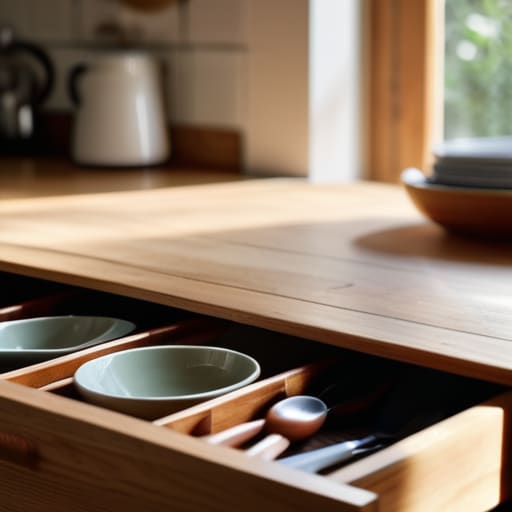
Most people approach decluttering like a massive, overwhelming project that requires a weekend of intense labor. That’s a mistake. If you try to tackle the whole house at once, you’ll burn out by noon and end up with a bigger mess than when you started. Instead, I recommend using a few simple decluttering techniques for beginners that focus on momentum rather than perfection. Start with one single drawer or even just one shelf. The goal isn’t to achieve a showroom look; it’s to remove the physical friction that makes moving through your own home feel like a chore.
Once you’ve cleared a small space, stop looking for fancy bins and start looking at your habits. Real minimalist home organization tips aren’t about buying more containers; they are about deciding what actually earns a spot in your living space. If an item doesn’t serve a clear function or bring you genuine utility, it’s just unnecessary noise taking up your mental bandwidth. Get rid of the excess, and you’ll find that maintaining order becomes a byproduct of the system, not a secondary job you have to schedule.
Minimalist Home Organization Tips for Real World Living
Once you’ve stripped away the excess, the next step isn’t about buying more bins; it’s about defining where things live. Most people fail because they try to organize clutter instead of creating a flow. I look at it through a systems engineering lens: every object needs a “home” that is easily accessible. If you have to move three things just to get to the one you need, your system is broken. Focus on effective storage solutions that prioritize function over aesthetics. A simple, open shelf is often better than a complex drawer system that requires a manual to navigate.
The goal here is to reduce the cognitive load of your daily routine. Instead of a rigid, overwhelming cleaning schedule for busy families, I recommend implementing small, repeatable loops. Think of it as habit building for home maintenance. If you spend five minutes every evening resetting the kitchen counters, you aren’t just tidying; you’re preventing the friction that leads to weekend-long cleaning marathons. Keep it simple, keep it repeatable, and most importantly, make sure it actually fits into your real, messy life.
Three Low-Friction Habits to Keep the Chaos at Bay
- Implement a “One-Touch” rule for high-traffic items. If you pick something up—a piece of mail, a coffee mug, or a jacket—don’t set it down on a “temporary” surface. Put it exactly where it belongs immediately. It takes five seconds now, but it saves you a thirty-minute cleaning session on Sunday.
- Designate “Landing Zones” for your daily essentials. I have a specific tray by my front door for my keys, wallet, and that notebook I always carry. When everything has a fixed home, you stop wasting mental energy hunting for things and prevent the “surface creep” that turns a countertop into a junk drawer.
- Use the “Reset to Zero” method at the end of each day. Before you head to bed, spend ten minutes walking through your main living areas and returning things to their baseline state. You aren’t deep cleaning; you’re just resetting the system so you can start tomorrow with a clear head and a functional space.
The Bottom Line
Stop looking for the perfect organizational product and start looking for the friction points in your daily routine; a system is only as good as your ability to maintain it without thinking.
Aim for functional order rather than aesthetic perfection—your home is meant to be lived in, not curated like a museum.
The Core Philosophy
“A tidy house isn’t about achieving some impossible standard of perfection; it’s about building simple, repeatable systems that reduce the friction of daily life so your home actually supports you instead of draining you.”
Gregory Scott Miller
Building a System That Lasts
At the end of the day, keeping a tidy house isn’t about achieving some impossible standard of perfection you see in a magazine. It’s about the systems we’ve discussed: stripping away the excess through smart decluttering, choosing functional organization over decorative clutter, and creating workflows that actually fit your daily routine. If you focus on reducing friction rather than adding more chores, you’ll find that maintenance becomes a natural part of your day instead of a weekend-long battle. Remember, the goal is to build systems that work for you, not to spend your entire life managing your belongings.
Don’t let the scale of the task overwhelm you. You don’t need to overhaul your entire life by Monday morning; just start with one drawer, one shelf, or one small corner of a room. Once you see how much mental space opens up when your environment finally starts serving you, you won’t want to go back. Focus on the clarity and calm that a streamlined home provides. You aren’t just tidying up a room; you are reclaiming your time and mental energy for the things that actually matter.