
I remember standing in the basement of my first fixer-upper, clutching a flashlight and feeling that unmistakable, heavy scent of damp earth and decay hitting me in the face. It wasn’t just a smell; it was a signal that my environment was winning and I was losing. Most people think the answer to a damp basement is to go out and buy a dozen expensive, high-tech chemical sprays, but that’s just treating the symptom. If you want to know how to prevent mold, you have to stop chasing the spores and start managing the physics of your home.
I’m not here to sell you a subscription to some fancy air purifier or a cabinet full of toxic cleaners. My goal is to help you build a few simple, reliable systems—things like airflow management and humidity control—that actually work in a real house. I’m going to show you how to strip away the complexity and fix the root causes so you can stop fighting your house and start enjoying it.
Table of Contents
Controlling Indoor Humidity Levels Without the Complexity

Most people think they need a high-tech, smart-home ecosystem to manage their air quality, but that’s just adding friction. In reality, controlling indoor humidity levels comes down to managing the obvious sources of moisture. If you notice water pooling on your sills, you’re looking at one of the clearest signs of preventing condensation on windows—or rather, failing to do so. I’ve found that simply improving your home’s natural airflow by opening windows during dry spells or using exhaust fans strategically is often more effective than any expensive gadget.
If you’re dealing with a bathroom that feels like a sauna after every shower, you need a better system. I always recommend a few basic bathroom moisture control tips, like running the fan for at least twenty minutes after you’re done, rather than just flipping it off the second you step out. If your humidity stays stubbornly high despite these tweaks, don’t waste money on more air fresheners; look into the dehumidifier benefits for mold prevention instead. It’s a simple, mechanical solution that actually moves the needle.
Dehumidifier Benefits for Mold and Real World Results
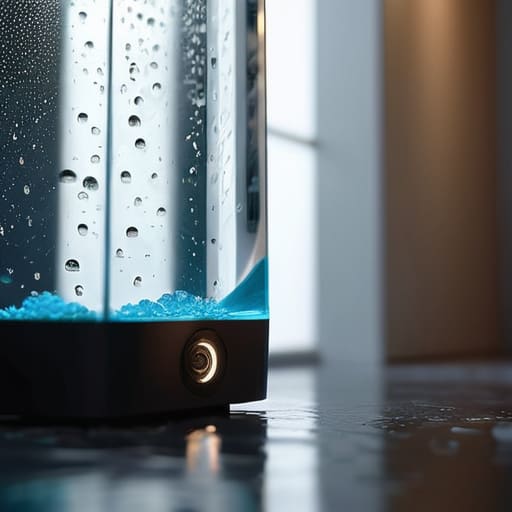
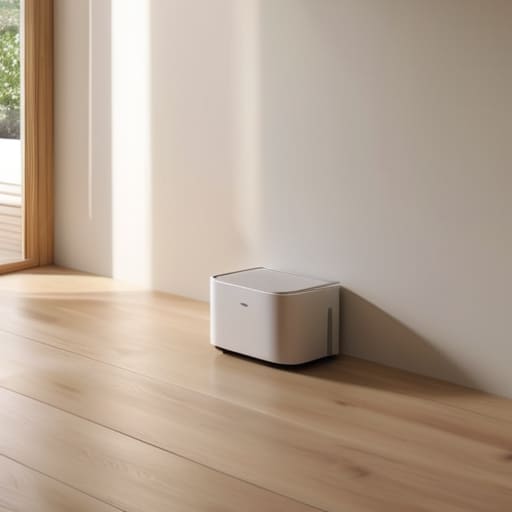
Look, I’m not a fan of buying gear just for the sake of having a new gadget, but a dedicated dehumidifier is one of those rare exceptions where the ROI is immediate. If you’ve noticed persistent dampness or are seeing the early signs of mold growth in homes—like that musty smell that won’t go away—a dehumidifier acts as your primary line of defense. It doesn’t just mask the problem; it pulls the actual fuel out of the air.
In my own house, I stopped treating the symptoms and started managing the source. Instead of constantly wiping down surfaces, I set a target humidity level and let the machine do the heavy lifting. The real-world result? I noticed a massive difference in preventing condensation on windows, which is usually where moisture gets trapped and starts a colony. It’s about setting a system that works in the background so you can stop worrying about the air you’re breathing.
Three Low-Friction Habits to Stop Mold Before It Starts
- Fix your airflow. Stagnant air is a breeding ground for moisture. Don’t just close the door and forget it; keep your interior doors cracked when possible and use exhaust fans in the kitchen and bathroom every single time you use them. It’s a simple mechanical fix that changes the entire environment.
- Manage your condensation points. If you see moisture bead up on your windows, you’ve already lost the battle. Check your seals and ensure your heating or cooling systems are balanced so you aren’t creating cold spots where dampness can settle and take root.
- Audit your storage systems. I see people pack their closets and basements so tight that air can’t circulate between the boxes and the walls. Give your belongings some breathing room. If you can’t move air around an object, you’re essentially inviting mold to settle in that dead zone.
The Bottom Line on Mold Prevention
Stop trying to scrub mold away after it appears; focus your energy on managing humidity and airflow to stop the environment from becoming a breeding ground in the first place.
Invest in a reliable dehumidifier as a functional tool, not a luxury, to maintain a steady, dry baseline that keeps your home’s systems in balance.
The Systemic Approach to Mold
“Mold isn’t a cleaning problem; it’s a systems failure. Stop chasing the spores with bleach and start managing the environment that allows them to exist in the first place.”
Gregory Scott Miller
Keeping the Friction Out of Your Home
At the end of the day, preventing mold isn’t about buying every chemical spray on the shelf or obsessing over microscopic details. It comes down to managing the basics: controlling your humidity, ensuring your airflow isn’t blocked by clutter, and keeping an eye on those damp spots before they turn into a real headache. If you can stabilize your environment and manage the moisture, you’ve already won half the battle. It’s about building a system of prevention rather than a cycle of constant, reactive cleaning.
Don’t let the fear of a little mildew paralyze you or turn your home into a source of stress. Your house should be a place where you can actually breathe and relax, not another project on your never-ending to-do list. Start with one small change today—maybe it’s clearing a vent or setting a dehumidifier—and build from there. Once you strip away the friction and get these systems running, you’ll find you have much more mental space for the things that actually matter.