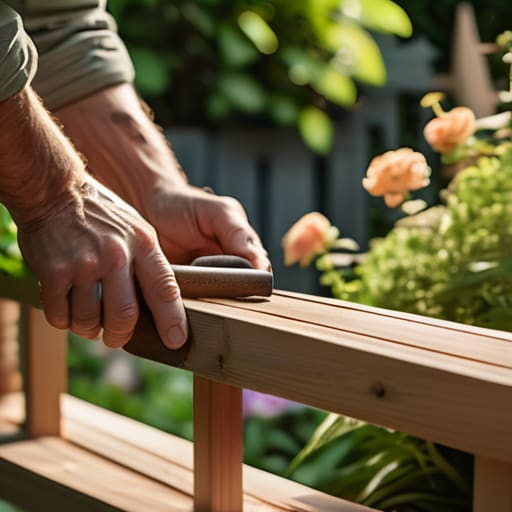

I was kneeling in the dirt last Saturday, staring at a tangled, pathetic mess of tomato vines that had decided to colonize my entire walkway instead of growing upward. It was a classic case of a system failure; I had the plants, but I hadn’t provided the infrastructure to support them. Most people think you need to spend a fortune on ornate, wrought-iron structures from a nursery to get a decent result, but that’s just unnecessary complexity. If you want to stop fighting your garden and actually reclaim your space, you need to learn how to build a garden trellis that is sturdy, functional, and—most importantly—built to last.
In this guide, I’m skipping the decorative fluff and getting straight to the engineering. I’ll show you how to select the right materials and assemble a framework that won’t buckle under the weight of a heavy harvest. We aren’t just building something pretty to look at; we are building a reliable system for your plants to thrive. Let’s get to work.
Table of Contents
Guide Overview
Tools & Supplies
- Measuring tape for accurate cuts
- Handsaw or miter saw for wood processing
- Drill with bits for making pilot holes
- Screwdriver or drill driver for assembly
- Cedar or pressure-treated wood stakes (4 units)
- Thin wooden slats or bamboo canes (10-15 units)
- Exterior grade wood screws (1 small box)
- Galvanized wire or heavy-duty twine (1 roll)
Step-by-Step Instructions
- 1. First, gather your materials. You don’t need a warehouse full of supplies, just a few high-quality pieces that won’t rot the moment they hit the dirt. I recommend using untreated cedar or redwood because they handle moisture naturally without the chemical headache of pressure-treated lumber. You’ll also need some galvanized screws, a drill, a saw, and some heavy-duty wire or twine to create the grid.
- 2. Measure and cut your main vertical posts. Since I’m a systems guy, I always plan for stability first. If you want a trellis that stands two feet above the ground, your posts need to be at least four feet long so you can sink two feet into the soil. This prevents the whole structure from leaning or toppling over the first time a heavy vine decides to take hold.
- 3. Build your support frame. Lay your horizontal rails across your vertical posts to create a sturdy rectangular perimeter. I prefer using a simple butt joint here, but make sure you pre-drill your holes. If you skip the pre-drilling step, you’re almost guaranteed to split the wood, and a split frame is just a broken system waiting to happen.
- 4. Create the grid pattern. This is where the actual climbing happens. You can use thin wooden slats or, my personal preference for a cleaner look, heavy-gauge galvanized wire. Stretch the wire horizontally across the frame in a grid pattern, about six inches apart. Use your drill to secure the wire at each intersection point; this ensures the tension remains consistent and tight even as the plants grow heavy.
- 5. Set the trellis in the ground. Don’t just lean it against a wall; that’s a recipe for failure. Dig two holes at least 18 inches deep where your main posts will go. Set the trellis in, level it out using a simple spirit level, and backfill the holes with a mix of soil and a little bit of gravel for enhanced drainage. This keeps the base of your posts from sitting in a puddle of stagnant water.
- 6. Secure and reinforce. Once the trellis is upright, give it a firm shake. If it wobbles, your holes aren’t deep enough or your soil isn’t packed tight enough. I like to use a few heavy stones at the base of the posts to provide extra ballast. A stable trellis is a silent one; you want to spend your time gardening, not constantly propping up a leaning structure.
Selecting Your Garden Trellis Materials List Without the Fluff
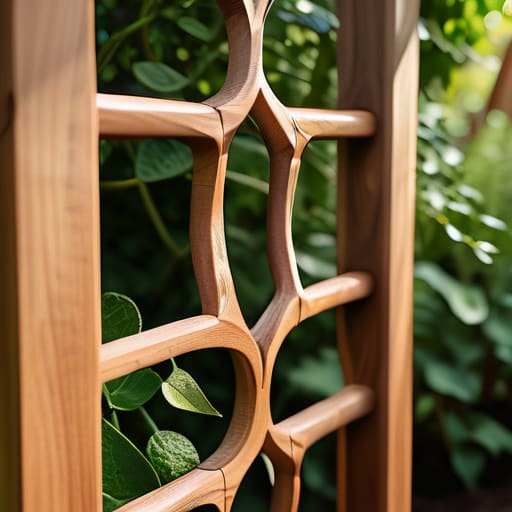
Before you head to the hardware store, let’s get one thing straight: don’t overcomplicate this. You don’t need a degree in architecture to create effective climbing plant support structures, but you do need to pick materials that won’t rot the first time it rains. If you’re looking for an easy diy garden trellis for beginners, I usually suggest cedar or redwood. They have natural oils that resist decay, meaning you won’t be out there rebuilding the whole thing in two seasons. If you’re on a tighter budget, pressure-treated lumber works, but keep an eye on what you’re planting nearby.
The weight of your plants is the real deciding factor here. If you’re planning on growing something lightweight like sweet peas, a simple wire mesh or thin lattice will do fine. However, if you’re dealing with heavy hitters like wisteria or even certain types of squash, you need a sturdy trellis for heavy vines. In those cases, skip the flimsy decorative stuff and opt for thicker 2×2 posts or heavy-duty metal brackets. It’s better to over-engineer the foundation now than to watch your hard work collapse under its own weight later.
Sturdy Trellis for Heavy Vines That Wont Fail You
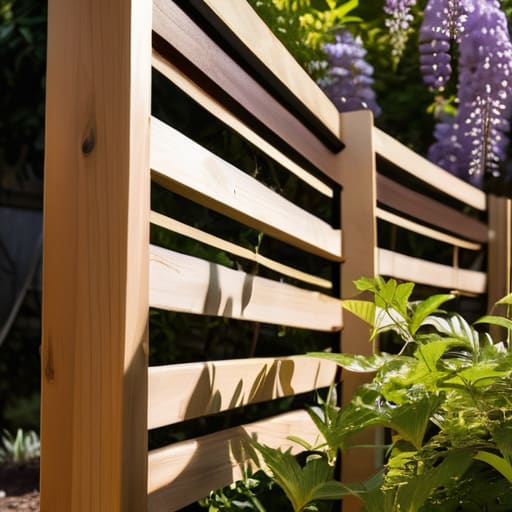
If you’re planning on growing something substantial like wisteria, heavy clematis, or even a beefy squash, a flimsy lattice is going to fail you. I’ve seen too many people build a light frame only to have it buckle under the weight of a single season’s growth. When you’re looking for a sturdy trellis for heavy vines, you need to stop thinking about aesthetics for a second and start thinking about load-bearing capacity. Use thicker dimensional lumber—think 2x2s or even 2x4s—and ensure your vertical posts are sunk deep into the ground or anchored to a solid perimeter.
Don’t just rely on thin wire or twine either. For these larger plants, I recommend integrating thicker steel mesh or heavy-duty wooden slats into your climbing plant support structures. This creates a more permanent skeleton that won’t sag as the plant matures. It’s about building for the plant you’ll have in three years, not just the one you’re planting today. Build it once, build it right, and you won’t be out there replacing a collapsed mess every spring.
Three Ways to Stop Your Trellis from Becoming a Mess
- Don’t overthink the spacing. If you’re growing heavy climbers like clematis or beans, leave enough room between your vertical supports so the plant can actually breathe and find its way through without getting tangled in a knot of dead leaves.
- Anchor it once and anchor it right. A trellis that leans after the first heavy rain isn’t a system; it’s a chore. Drive your stakes deep into the ground or secure them to a solid perimeter frame so you aren’t constantly fighting a tilting structure.
- Plan for the inevitable weight. Plants grow, and then they get heavy. If you build a flimsy lattice out of thin wire, it’ll sag under the weight of a mid-summer bloom. Build for the plant’s maximum size, not just how it looks on day one.
The Bottom Line
Don’t overcomplicate the build; choose materials based on the specific weight of your plants so you aren’t rebuilding the whole thing halfway through the season.
Focus on stability over aesthetics—a trellis that looks pretty but leans after the first rain is just more clutter you’ll have to manage.
The Philosophy of Support
A trellis isn’t just a piece of garden decor; it’s a structural system designed to manage growth. If you build it to withstand the weight and the weather, you stop fighting your plants and start letting them do the work for you.
Gregory Scott Miller
Getting the System in Place
At the end of the day, building a trellis isn’t about creating a complex piece of garden art; it’s about setting up a functional support system. You’ve selected the right materials, accounted for the weight of your vines, and ensured the structure is anchored well enough to withstand a heavy storm. By focusing on structural integrity over aesthetics, you’ve eliminated the need to constantly fix sagging wood or collapsing frames every summer. You’ve moved from fighting your garden to managing it with a system that actually holds up under pressure.
Now that the heavy lifting is done, step back and look at the space you’ve created. A well-built trellis does more than just hold up plants; it creates order out of what could easily become a tangled, messy heap. My advice is to stop overthinking the next project and just start building. Once you strip away the friction and get these simple structures in place, you’ll finally have the mental bandwidth to actually sit back and enjoy the view.