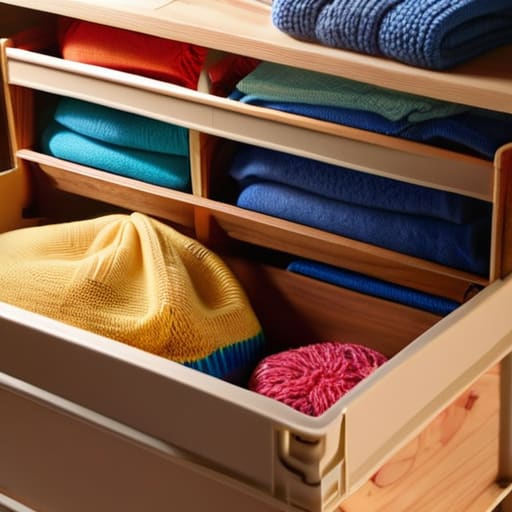

I was in my garage last weekend, trying to clear a path to my workbench, when I tripped over a stack of mismatched cardboard boxes that had been sitting there since last November. It’s the same old story: we buy these expensive, color-coded plastic bins that look great in a catalog, but we have no actual system for how to store seasonal items once the holidays are over. We end up creating new clutter in an attempt to hide the old stuff, which is just bad engineering.
I’m not here to sell you on a complicated organizational lifestyle or a dozen new gadgets you don’t need. Instead, I want to show you how to build a few functional systems that actually work with your life, not against it. I’ll walk you through my straightforward process for categorizing, labeling, and tucking away your off-season gear so your home can finally serve you again.
Table of Contents
The Best Containers for Seasonal Storage Without the Clutter
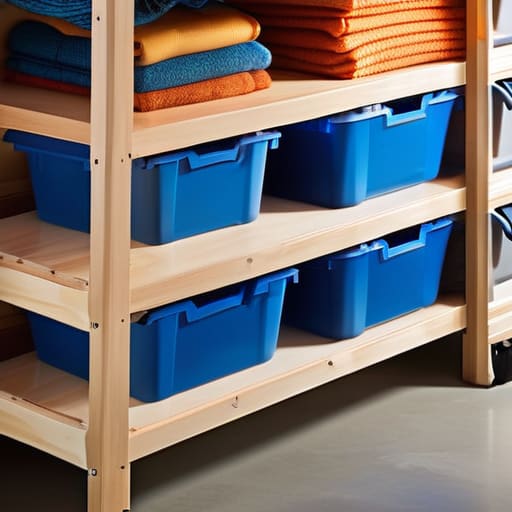
When it comes to picking out gear, I always lean toward function over aesthetics. You don’t need those expensive, color-coded designer bins that look great on Instagram but crack the first time you stack them. For most of my heavy-duty needs, I stick to heavy-duty, clear plastic totes with locking lids. The transparency is key; if I can’t see what’s inside without digging, the system has already failed. Clear bins take the guesswork out of the equation, making your seasonal item organization tips much easier to execute when you’re in a rush.
If you’re dealing with more delicate pieces, like heirloom glass or old-school lights, you need to shift your strategy. I’ve learned the hard way that a one-size-fits-all approach is a recipe for broken things. When it comes to protecting fragile ornaments, skip the cheap bubble wrap and look for specialized dividers or acid-free tissue paper. For larger items like heavy garlands or bulky outdoor gear, I recommend space-saving storage solutions like vacuum-sealed bags for soft goods or stackable, reinforced crates that won’t buckle under pressure. The goal is to create a stable, predictable environment where your things stay safe and out of your sight.
Preventing Damage to Seasonal Decor and Protecting Fragile Ornaments
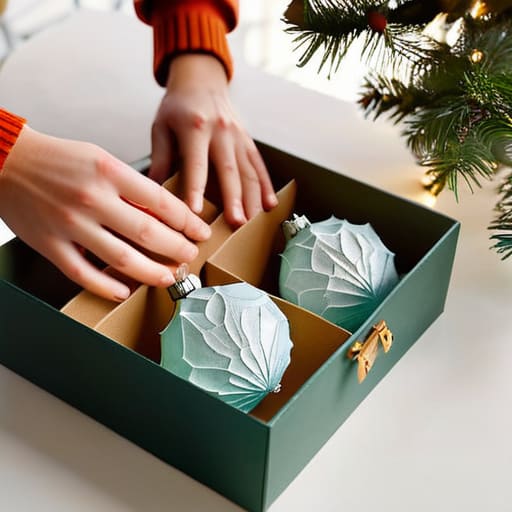
The biggest mistake I see people make is treating their holiday decor like it’s indestructible. If you just toss everything into a bin, you’re essentially playing a high-stakes game of Tetris where the loser is your favorite heirloom. When it comes to protecting fragile ornaments, the goal is to eliminate movement. I’ve found that using acid-free tissue paper or even specialized cardboard dividers is far more effective than relying on bubble wrap alone, which can sometimes trap moisture and degrade materials over time.
For larger pieces, like wreaths or garlands, don’t just cram them into a corner. I prefer using breathable fabric bags or even heavy-duty canvas covers to keep dust at bay while allowing the materials to “breathe.” If you’re looking for better preventing damage to seasonal decor, think about the physics of the stack: always place the heaviest, sturdiest items at the bottom of your containers. This simple hierarchy prevents the weight of a heavy ceramic pumpkin from crushing a delicate glass bauble underneath.
Three Rules to Keep Your Systems Running Smoothly
- Inventory as you pack. Don’t just shove things into a bin and hope for the best; use that tactical pen of mine to jot down exactly what’s inside on a piece of masking tape and stick it to the lid. If you don’t know what you have, you’ll end up buying duplicates next year, which is just more friction you don’t need.
- Map out your “dead zones.” Identify the spots in your home that don’t serve a daily purpose—the top shelf of the guest closet, the underside of the bed, or that high garage shelf—and designate them specifically for these bins. If you don’t give your seasonal items a permanent home, they’ll eventually migrate to your living room floor.
- Audit before you unpack. When the season rolls around and you pull those bins back out, be honest with yourself. If you spent the last three months looking at a specific decoration and thinking it was junk, don’t put it back in the box. Use the transition as a chance to prune the system, not just reset it.
The Bottom Line
Stop overthinking the gear; invest in clear, stackable bins that actually fit your shelf space so you aren’t playing Tetris every time the seasons change.
Treat your high-value items with respect by using proper padding and labeling everything clearly, because searching for a lost ornament is just wasted friction you don’t need.
The Philosophy of Seasonal Storage
“Seasonal storage shouldn’t be a graveyard for things you’ll forget you even own; it should be a streamlined system that makes bringing the joy back into your home effortless when the calendar turns.”
Gregory Scott Miller
Reclaiming Your Space
At the end of the day, seasonal storage isn’t about finding the perfect plastic bin or the most expensive organizer; it’s about eliminating the friction that keeps your home from feeling functional. By choosing the right containers, protecting your fragile items from damage, and assigning every box a dedicated home, you stop fighting your environment and start managing it. You don’t need a massive warehouse or a complex inventory system to get this right. Just a few smart, intentional decisions will ensure that when the holidays or the seasons change, you aren’t digging through chaos—you’re simply executing a system that already works.
Remember, your home is meant to be a sanctuary for your daily life, not a graveyard for things you aren’t currently using. When you clear out the seasonal clutter, you aren’t just organizing boxes; you are reclaiming your mental space. Let the systems do the heavy lifting so you can get back to what actually matters. Stop letting your decor dictate your floor plan and take control of your space today.